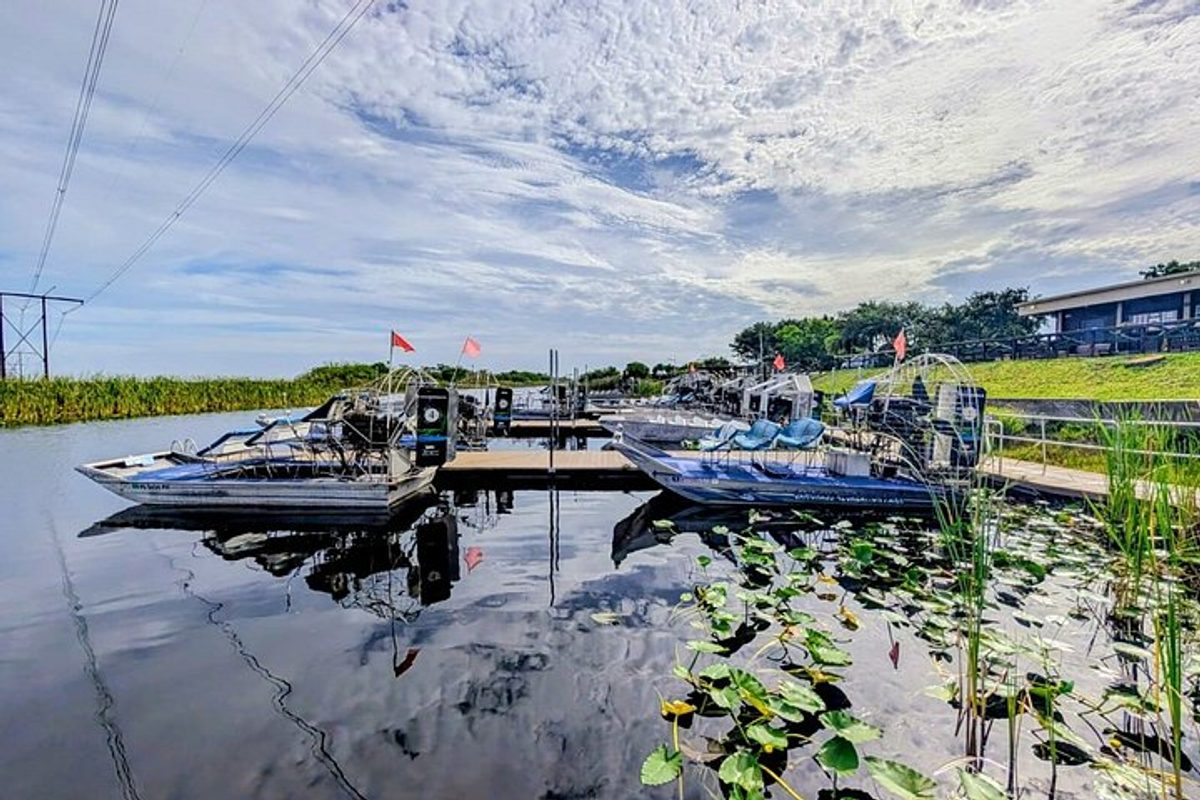
You leave Miami’s glass and concrete behind and, within an hour, the skyline unravels into a flat, green ocean. Sawgrass reaches like a hesitant hand across the horizon, wind combing it into ripples that look for all the world like prairie waves. The airboat waits—an open, low-slung machine that feels less like a boat and more like a promise: to push you forward and to keep the land moving under your feet.
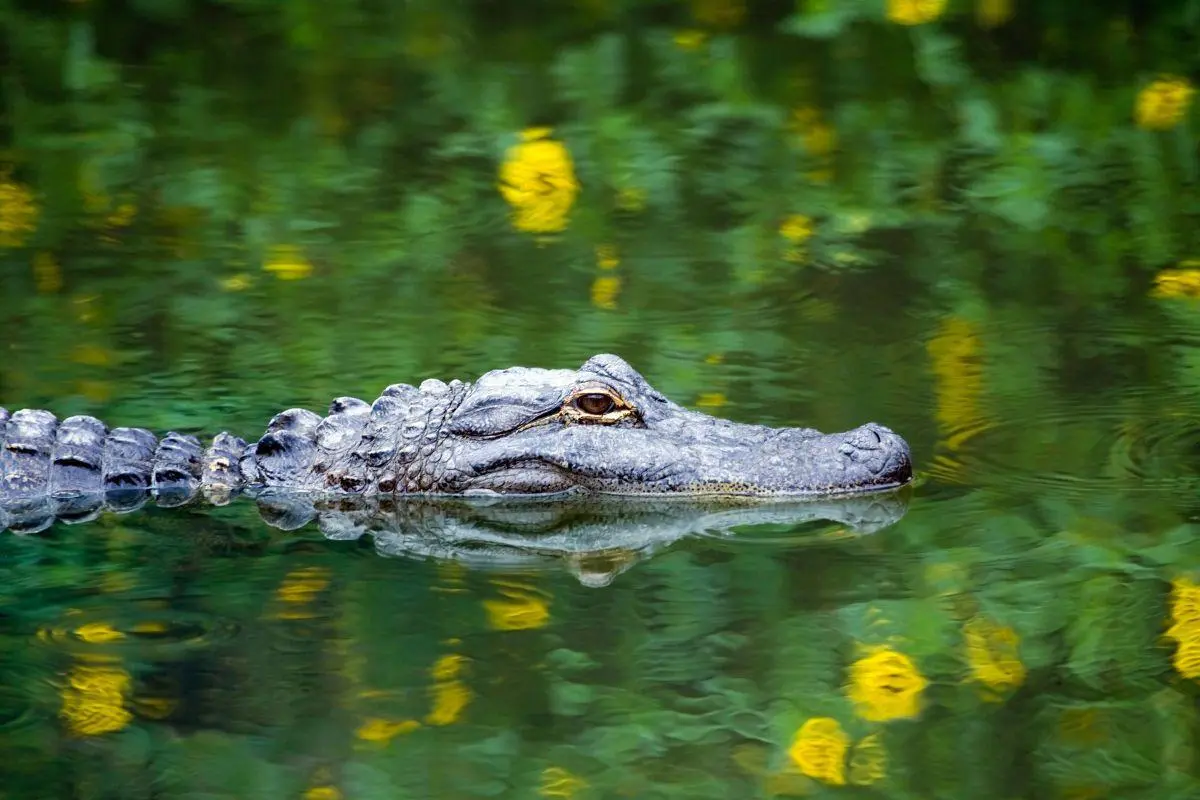
This is roofless airboating in the Everglades, the kind of morning that compresses geography and history into a single, loud, wet hour. The ride on the 40-minute tour is kinetic—propeller hiss, water spray that dares your camera lens, and the captain’s practiced arcs as the hull skims shallow channels carved through the famous River of Grass. You’ll see islands of dead trees, herons pivoting like weather vanes, turtles sunning on old cypress stumps and, if you’re lucky, the slow, bronze shape of an alligator easing through a ribbon of water. The ecosystem feels watchful; the Everglades is not a backdrop but an active participant, nudging you along, testing how quickly you can read its signals.
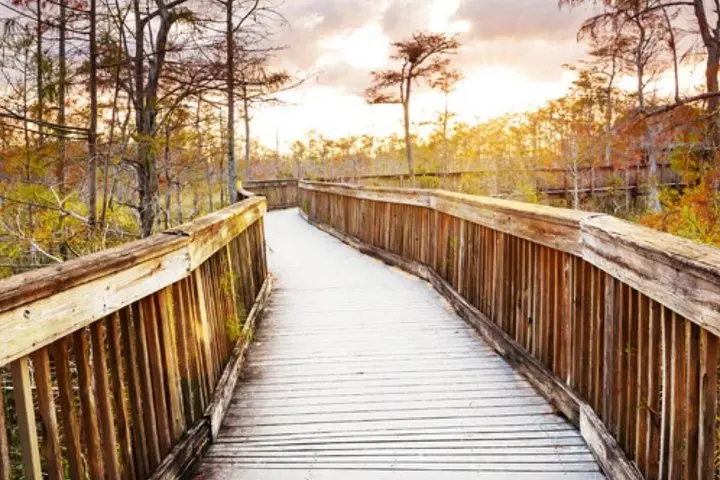
The phrase 'River of Grass' came from Marjory Stoneman Douglas, and the name is apt: this is not a river hemmed by banks but a shallow, sheet-flow wetland whose geology and hydrology shape everything. Limestone and karst underlay the sawgrass, creating sinkholes and dark, spring-fed sloughs. The Everglades’ slow-moving water originally ran clear from Lake Okeechobee to Florida Bay, and that same current still divides habitats and species here—wading birds from wading places, alligators from crocodiles at the park’s southern edge.
Human stories are layered in, too. The Seminole and Miccosukee people have lived in and adapted to these wetlands for centuries; modern conservationists fought a long battle in the 20th century to protect what remained of this fragile subtropical mosaic. Today, guided airboat tours like this one exist in the tension between access and conservation: they give visitors a kinetic way to experience the Everglades while funneling traffic into controlled corridors and educational exhibits. After the ride, the on-site animal area and reptile presentations ground the drama you just witnessed in biology and stewardship—why certain species matter, and what threats the landscape faces, from urban runoff to invasive pythons.
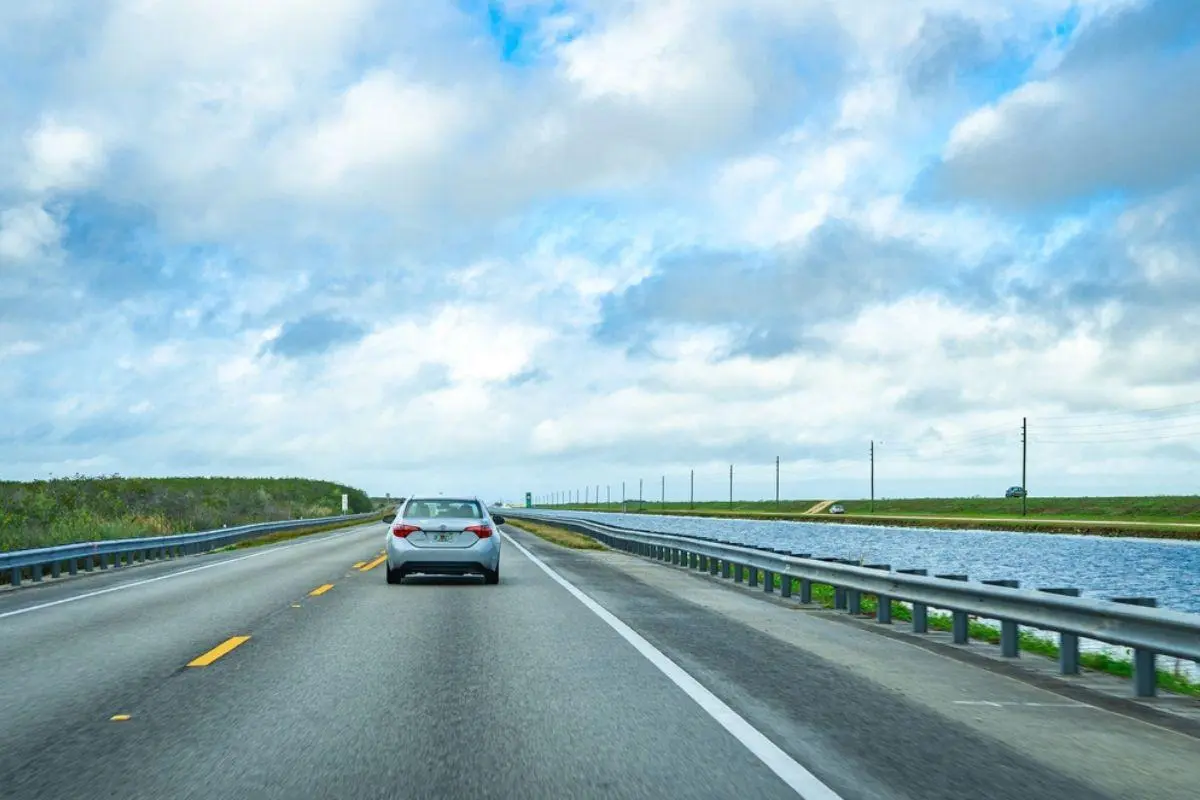
Why go on a roofless airboat instead of a quieter kayak? Because it’s immediate and social: a communal, weathered bench, ear protection handed out, a captain who points and narrates as you fling across the marsh. It’s also practical for a half-day escape from Miami. Most departures include shared hotel pickup from Miami Beach and downtown, so you don't need a car. The total excursion runs about four hours—time enough for the ride, the exhibit, and the return drive without feeling rushed.
For photographers, the Everglades rewards patience and a fast shutter speed. Motion sets the scene; birds blur into streaks when you track too slowly, while a gator resting on a mud bank becomes a portrait when framed against reflective water. For families, the exhibit's hands-on demonstrations help children go from awe to understanding; for solo travelers and birders, the open cockpit gives a good vantage for spotting marsh hens, anhingas and roseate spoonbills.
Practicalities are simple but worth noting. Ear protection is provided—airboat props are loud and sustained. The ride is exposed to sun and spray, so wear sun protection, sunglasses, and a light, quick-dry layer. The path along the marsh is shallow and wet, so waterproof footwear or sandals that can get damp are sensible. If you’re prone to motion sickness, take precautions—capsize is unlikely, but the boat’s turns are sharp.
Beyond the ride, the area’s meaning arrives in small ways: the pungent, sweet smell of drying sawgrass in the sun; a child spotting the first alligator and naming it correctly; the captain lowering the throttle and letting the marsh fill the silence. The day ends with Miami back on the horizon, but something of the Everglades—its scale, its insistence—stays with you. It’s a half-day that realigns your sense of pace and returns you to the city a little quieter, more attentive to the wind and water.
If you go, treat this as both an adventure and an introduction. Listen to the naturalists, ask about the local conservation efforts, and carry a curious respect for a landscape that is deceptively delicate. The Everglades will take you in its current, quite literally, but it will also show you how people and place are bound together here—history, geology, and daily stewardship wrapped into a wide, green river that keeps moving.