Skyline in Five Hours: Banff’s Private Highlights Tour

Skyline in Five Hours: Banff’s Private Highlights Tour

Private Tour • Up to 9 people • Up to 5 Hours

Continue Reading

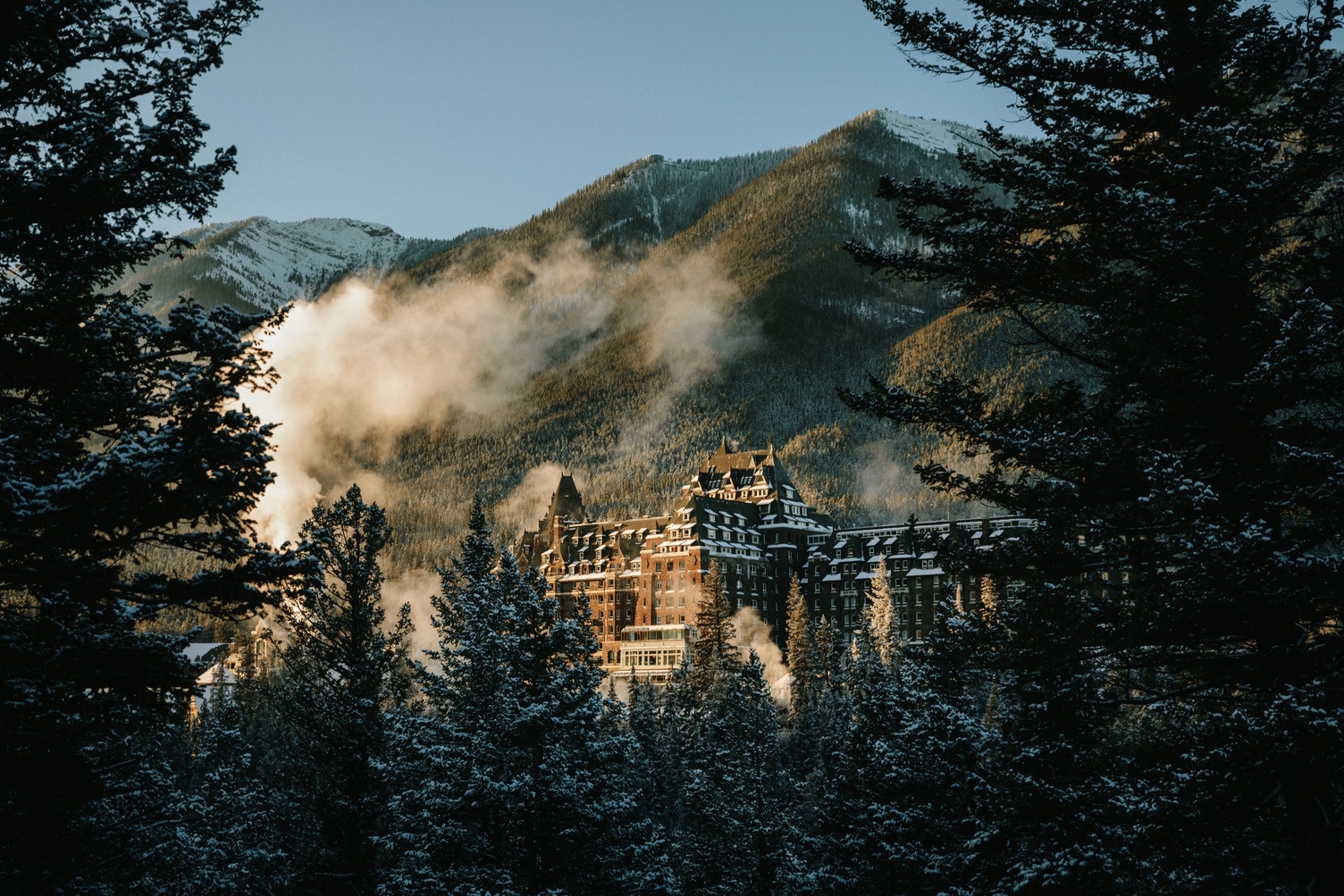
Morning in Banff arrives with purpose. The Bow River rounds its bends like a runner on the last lap, spruce needles brighten under a clean mountain light, and the Fairmont Banff Springs keeps watch from its rocky throne. Your guide pulls up to your hotel, a local who lives by weather windows and wildlife rhythms. This is the Banff Highlights Half Day Tour—private, flexible, and tuned to the pace of the day—and it wastes no time reminding you why this valley is a world classic.

The route rolls out along Tunnel Mountain Drive, a ribbon of pavement that teases views at every curve. At Surprise Corner, the so-called Castle in the Rockies poses against a skyline of layered limestone, and the Bow River dares you to lean into the wind for a better look. Down at Bow Falls, the river lowers its shoulder, frothing over a bed of boulders polished by centuries of snowmelt. Spray tattoos your jacket. Cameras chirp. The mountains seem to breathe in and out, and you breathe with them.

This tour is designed for travelers who want the best of Banff in a single focused hit—no bus timetables, no guesswork. Pick-up in Banff or Canmore is included, as are national park fees, which keeps logistics clean. The signature move comes mid-tour: a gentle ascent by the Banff Gondola to Sulphur Mountain’s 2,281-meter summit. In eight unhurried minutes, glass cabins lift you into the weather. Ridges stack like pages. The Bow Valley reveals the long work of ice, carving U-shaped corridors that now funnel sunlight and storms. Up top, a network of boardwalks leads toward Sanson Peak while interpretive signs translate geology into story—how ancient seabeds rose and folded, how wind and water work in shifts. Clouds push like confident foremen. When the sky opens, the light snaps into high definition.

Prefer paw prints over panoramas? Groups that skip the gondola spend that time searching for wildlife near Lake Minnewanka, Two Jack Lake, or the Mount Norquay Lookout—prime edges where animals move at day’s bookends. In spring and fall, elk patrol meadows like stern lifeguards; bighorn sheep browse cliffside shelves with nonchalance. Bears sometimes pass through, unhurried, the way old locals run errands. Wildlife isn’t guaranteed, but an afternoon start tips the scales. Your guide will manage distances responsibly and read the valley’s mood so you can witness it safely.

Along the way, the tour threads Banff’s greatest hits with context. The hoodoos—those pale spires poking from the slopes near the Bow River—look whimsical, but they endure by stubborn engineering: caprock shields their soft cores while wind and rain shave away everything unprotected. The town itself grew from hot springs discovered by railway workers in 1883, becoming Canada’s first national park in 1885 and later part of the Canadian Rocky Mountain Parks UNESCO World Heritage Site. This is also the traditional territory of the Îyârhe Nakoda (Stoney Nakoda), Blackfoot Confederacy, and Tsuut’ina peoples—nations who read these valleys long before trails were named for them.

What makes this experience hum is its balance of immersion and ease. You’re not committing to a ten-mile hike or a full-day itinerary. You’re sampling the park’s flavors in their freshest form, backed by someone who knows where the light breaks and which pullouts beat the traffic. It’s well-suited for families, friends squeezing in adventure between wedding weekends or conferences, and photographers chasing a highlight reel in good company. On a clear day, the Banff Gondola serves up 360-degree views many travelers spend days hiking toward. On a moody day, the clouds add texture and the valley answers in deep greens and river steel.

Practicalities are straightforward. Dress in layers, because summit temps can run 10–15°C cooler than town, and breezes can flip from polite to pushy. A light puffy and windproof shell fit the bill. Sturdy footwear matters for boardwalks and short viewpoint paths. Bring water—elevation quietly asks more of your lungs here, with town at roughly 1,383 meters and the summit higher still. A compact binocular and a 70–200mm lens make the difference between an elk in the distance and antlers filling the frame. For a smooth day, consider pre-booking the gondola add-on, and if wildlife is your focus, ask for that later start.

If you want to deepen the plan, or confirm availability and pickup details, connect with a trusted local operator through this curated listing: Banff Highlights Half Day Tour. For more context on the private, customizable nature of the day, see this private Banff tour overview and confirm your Banff gondola and sightseeing plans directly.

By the time you’ve checked Surprise Corner, leaned over Bow Falls, cruised past the turquoise lip of Two Jack Lake, and looked out from Mount Norquay’s red chairs, you’ll understand why this is an ideal first chapter in any Rockies itinerary. It gives you the lay of the land—the spine of ranges, the logic of roads, the punctuation of lakes—so the rest of your trip can move efficiently. The mountains speak plainly here. They point you where to go next.

And as the van glides back toward town, the Bow River settles to its afternoon pace. It has miles to go. So do you. That’s the point of a half day in Banff done right: you’ve covered serious ground without burning the rest of your day. There’s time left for a patio, a stroll along the river path, maybe a return to that view that snagged you first. The valley nods, as if to say: good start.

Duration4.5–5 hours
Plan your visit

Trail Wisdom

Layer for the Summit

Sulphur Mountain can be 10–15°C cooler than town with steady wind. Pack a light puffy and windproof shell even in summer.

Aim Late for Wildlife

If wildlife viewing is your priority, request an afternoon start when elk and bighorn sheep are more active near Minnewanka and Norquay.

Mind the Elevation

Town sits around 1,383 m and the summit is 2,281 m—sip water regularly and take the boardwalks at a conversational pace.

Glass Ready, Lens Ready

Bring a polarizer for lake color and a 70–200mm lens for wildlife—handy for Surprise Corner, Norquay, and Minnewanka viewpoints.

Local Knowledge

Hidden Gems

  • Vermilion Lakes docks at sunrise for mirror-still reflections of Mount Rundle
  • Cascade Ponds for a quiet picnic between stops

Wildlife

Elk, Bighorn sheep

Conservation Note

This is sensitive wildlife habitat with heavy visitation. Follow Leave No Trace, give wildlife space (30 m for elk, 100 m for bears), and stick to established paths.

Banff National Park became Canada’s first national park in 1885 after the discovery of thermal springs; the Fairmont Banff Springs hotel opened in 1888 to serve early rail travelers.

Seasonal Guide

spring

Best for:Elk calving views at a safe distance, Snow-dusted peaks with clear air
Challenges:Unpredictable storms, Icy boardwalk patches early season

Expect variable weather—sunbreaks, rain, or wet snow in the same day. Wildlife activity ramps up; guides manage safe distances.

summer

Best for:Gondola summit panoramas, Warm-weather sightseeing
Challenges:Crowds at popular viewpoints, Afternoon thunderstorms

Long daylight windows and open roads make this the most flexible season. Book the gondola ahead and start early to beat the rush.

fall

Best for:Golden larches at higher elevations, Elk rut soundscape
Challenges:Cooler, windy summits, Shortening daylight

Crisp air and thinner crowds pair well with afternoon wildlife drives. Dress warmer for the Sulphur Mountain boardwalks.

winter

Best for:Alpine clarity on cold bluebird days, Snowy castle-and-river scenes
Challenges:Very cold summits, Icy paths and limited daylight

The gondola and viewpoints deliver stark beauty. Wear insulated layers and footwear with traction; roads and walkways can be slick.

Photographer's Notes

Arrive early or start late for softer light at Surprise Corner and Norquay. Use a circular polarizer to cut glare on Two Jack and Minnewanka. Carry a wide-angle (16–35mm) for summit panoramas and a telephoto (70–200mm) for wildlife and compressed ridgelines. Expose for highlights in snow or bright clouds at the gondola summit and handhold at 1/500s+ for moving animals. If it’s breezy, brace against railings on the boardwalks.

What to Bring

Insulating Layer + Windproof Shell

Essential

Mountain weather changes quickly and summit breezes are common, even on warm days.

Water Bottle (0.75–1 L)

Essential

Staying hydrated helps with mild altitude and a full half-day of moving between viewpoints.

○

Polarized Sunglasses

Cut glare off water and snow, especially around Bow Falls and high-elevation boardwalks.

○

Binoculars or 70–200mm Lens

Enhances wildlife viewing and compresses mountain layers for stronger compositions.

Common Questions

Is the Banff Gondola ticket included?

No. Gondola admission is an optional add-on; booking it in advance is recommended to secure your preferred time.

How many people can join the private tour?

The private vehicle accommodates up to 9 guests comfortably (maximum group size 10 noted by the operator).

Where is pickup and drop-off?

Door-to-door pickup and drop-off are included from accommodations in Banff or Canmore.

Is the summit accessible for those with mobility limitations?

The gondola cabins and upper terminal include elevators and accessible facilities; however, the outdoor boardwalks to Sanson Peak include stairs and are not fully accessible.

What wildlife might we see?

Common sightings include elk and bighorn sheep; black bears are possible seasonally. All viewing follows Parks Canada distance guidelines.

What should I wear and bring?

Dress in layers with sturdy footwear; bring water, sun protection, and a warm jacket for the summit. A camera and binoculars are useful.

What to Pack

Light puffy + wind shell for summit winds; Sturdy walking shoes for boardwalks and short paths; 0.75–1 L water bottle to manage mild altitude; Polarized sunglasses to reduce glare on water and snow.

Did You Know

Banff National Park, established in 1885, is Canada’s first national park and part of the Canadian Rocky Mountain Parks UNESCO World Heritage Site.

Quick Travel Tips

Pre-book the gondola add-on to lock in a prime time; If wildlife is your focus, request an afternoon start; Expect cooler temps at the summit—dress in layers; Cell service is spotty in some valleys—download maps or directions offline.

Local Flavor

After your tour, grab a craft beer at Banff Ave Brewing Co. or a wood-fired pizza with a view at Three Ravens. For a local twist, Park Distillery serves Rocky Mountain–inspired plates and house-distilled spirits. Morning pastry and espresso at Wild Flour Bakery set an early start right.

Logistics Snapshot

Closest airport: Calgary International (YYC). Drive time to Banff: ~1.5–2 hours (128 km) via Trans-Canada Hwy 1. Tour pickup in Banff or Canmore included—no need to park at the gondola if you’ve added it on. Cell service is generally good in town, patchy near Minnewanka and along some viewpoints. Park fees are included; Banff Gondola ticket is optional and extra.

Sustainability Note

You’re touring in a flagship national park with heavy visitation. Pack out all trash, keep to marked paths to prevent erosion around hoodoos, and maintain Parks Canada wildlife distances: 30 m from elk and deer, 100 m from bears, wolves, and cougars.

Topics