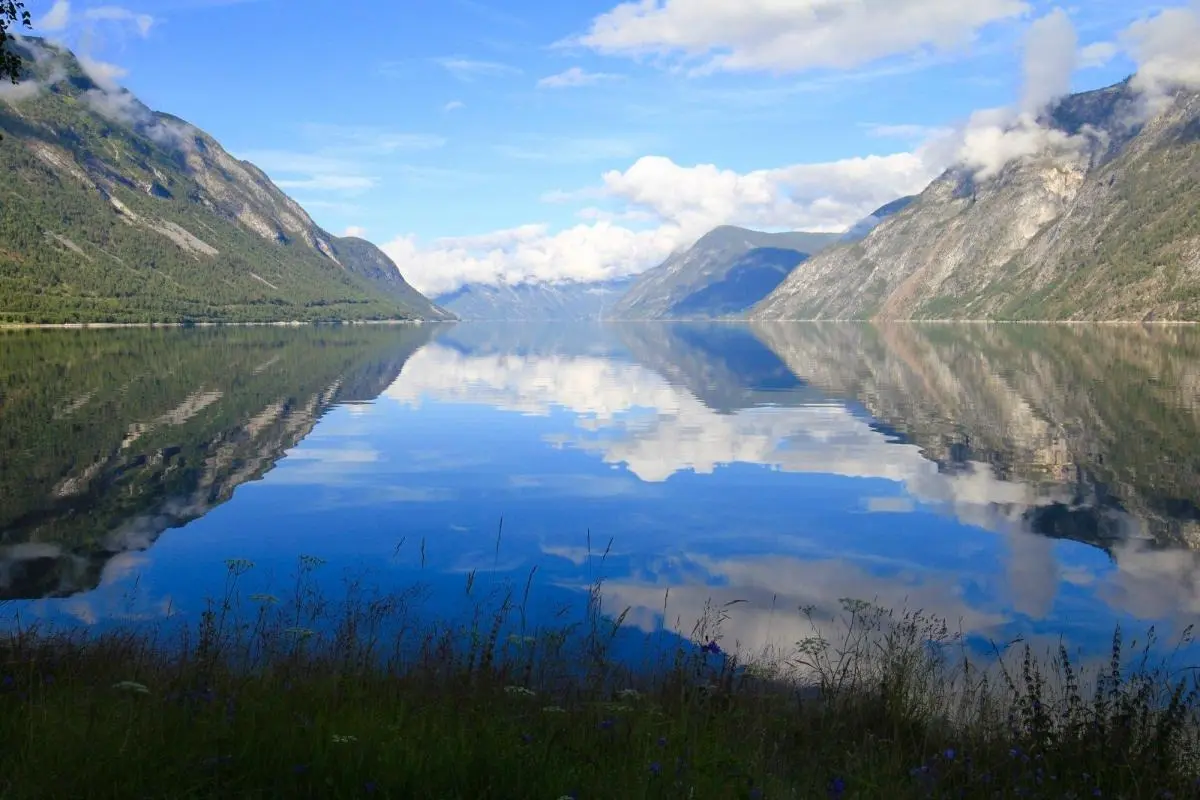
You round a low, granite headland and the water opens—an inland sea compressed by cliffs. The air tastes faintly of cold salt and pine; gulls wheel above a ribbon of pale mist clinging to the steeps. This is Sognefjord, Norway’s longest and deepest fjord, and inside its 200-plus kilometers you can read the geological handwriting of an ice age and the human stories of coastal villages that have learned to move with tides and seasons.
If the word “fjord” conjures postcard panoramas, Sognefjord is the masterclass. From Bergen it’s a moving collage: seabridges, tiny harbors ringed with boathouses, waterfalls that dare you to stand in their spray. The narrow Nærøyfjord—one of Sognefjord’s branches and a UNESCO World Heritage Site—feels like water running through a cathedral: sheer walls, mossy ledges and waterfalls threading from high scree. It’s the kind of place where silence has a texture.
Geology left its bold signature here. Over the last Ice Age, glaciers scoured deep troughs in Norway’s bedrock, carving valleys that seawater later flooded. Sognefjord reaches depths more than a kilometer below sea level and stretches inland over 200 kilometers—an axis of fjord, mountain and river where geology dictates how people travel, settle and work.
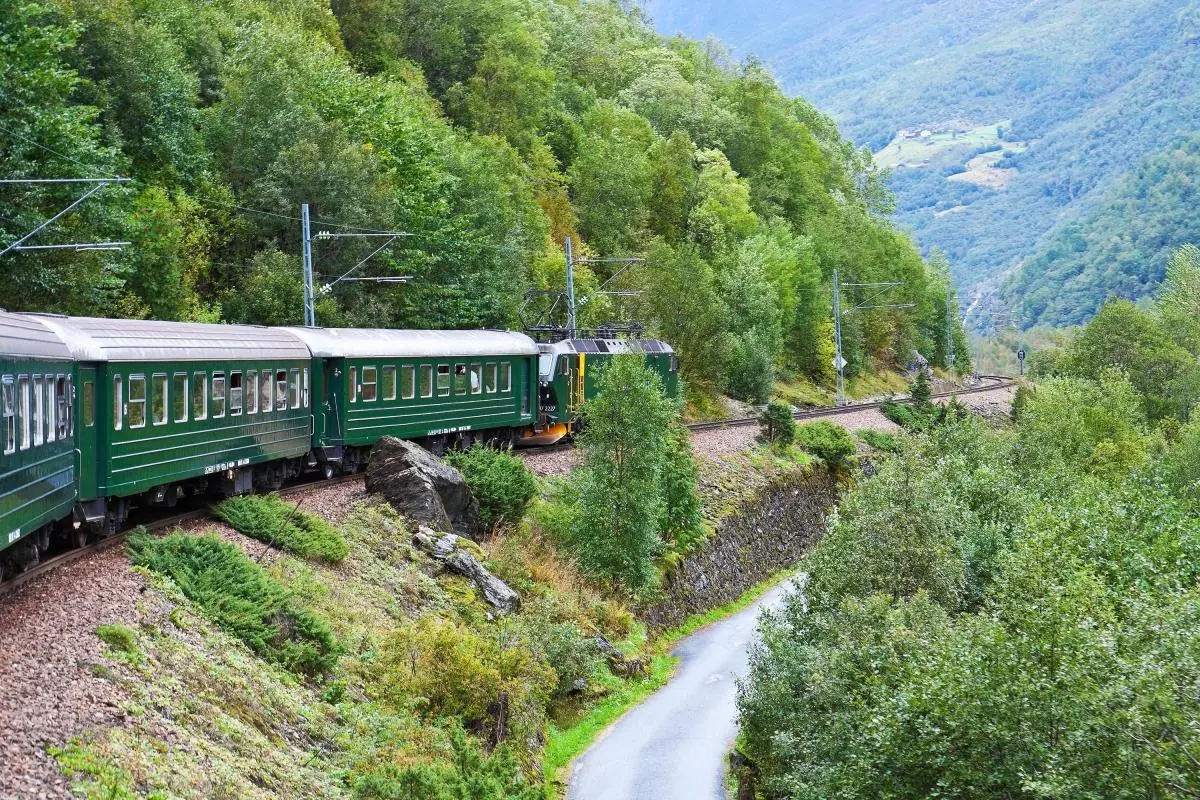
Human history is layered along the shores. You can still find stave churches like Hopperstad (dating to the 12th century) tucked under green slopes. Fishing and farming shaped village life; later, the railways and narrow roads stitched the fjord to a national network. Today, travelers connect the dots by boat and by the famous Flåm Railway—a steep, engineering-minded ribbon that climbs roughly 860 meters in about 20 kilometers from fjord level up to Myrdal. That steep ascent is not just scenic; it’s the most visceral way to feel the landscape change from sheltered lowland to upland plateau.
How you experience Sognefjord depends on your tempo. Take a day and you can pair a fjord cruise with the Flåm Railway—self-guided tours and guided day trips from Bergen and Oslo make it easy. Push the slow-living button and spend a night on a small yacht or at Kviknes Hotel in Balestrand, where candlelit dinners and cider farms preserve a gentler pace. Private guided tours—usually in comfortable vans or electric Tesla Model X options—unpack local stories: where the best viewpoints are, which ferry is mostly for locals, and which waterfall will be dramatic after rain.
Practical nuts and bolts: cruises vary from short 5-hour passages to multi-day voyages that include overnight on board. Trains and local ferries link the fjord’s fingers to villages like Flåm and Balestrand; if you’re doing the classic loop, expect a mix of boat time, slow rail and a few hours of driving on narrow mountain roads. Weather can change fast—clear mornings can yield fog-draped afternoons—so plan layers and a waterproof shell.
Why go now? Because Sognefjord offers a range of access points for different appetites. If you want polished comfort with narrative context, a private guided round trip from Bergen or Oslo pairs commentary with curated stops—Hopperstad stave church, Stalheim viewpoint and quiet ferry runs that are mostly used by locals. If you seek solitude, opt for an overnight yacht cruise from Bergen that drops anchor in a fjord arm after dinner and leaves you with nothing but the swoop of stars and the occasional thump of a seal.
For the pragmatic traveler: time your visit around daylight and weather. Summer brings long days and mild temperatures, making hikes and deck-side photography reliable; shoulder seasons thin the crowds but introduce more volatile weather. Bring binoculars for wildlife—porpoises and white-tailed eagles patrol the waters—and a camera with a mid-range zoom for waterfall and village portraits. Expect good ferry infrastructure, but book the Flåm Railway and overnight berths in high season.
Safety and leave-no-trace are part of the fjord ethic. Stick to marked viewpoints, respect private land around hamlets, and prefer operators who run smaller vessels or low-emission transport. Local guides are worth the price not only for navigation but for the cultural context they bring: a stave church is more than wood and nails; it’s an artifact of how Norwegians read climate and craft over centuries.
Sognefjord rewards slow attention. Walk a village quay at sunrise and you’ll see the shoreline’s economy—small boats, drying racks, tidy gardens—still humming. Take a rail-and-boat day trip and the transitions will feel designed to reveal the landscape’s seams. And if you can spare two days, a private overnight cruise into Nærøyfjord will give you more than photos: it hands you a sense of scale, of how an ice-sculpted world still shapes how people live.
In short: come for the vistas, stay for the connections—between rock and water, between villages and the wider world, and between the quiet of the fjord and the human stories it holds. Pack smart, pick an itinerary that matches your pace, and leave room for the slow, elemental pleasure of water moving through stone.