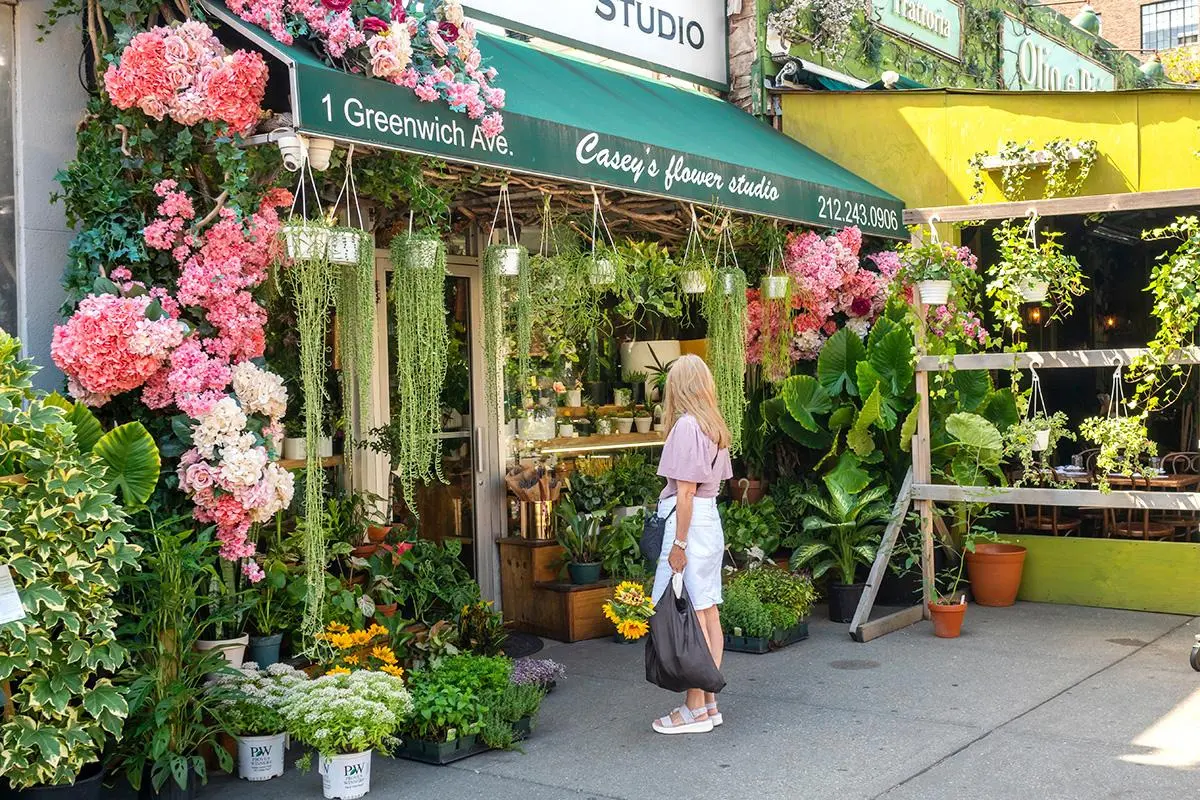
By late morning the West Village wears blue light like a favorite jacket: soft, lived-in, the kind that makes you slow down without noticing. On a narrow sidestreet, a delivery bike pauses beneath a plane tree whose leaves patter like a small applause; a couple argues with delight over which bakery to try next. This is not the skyscraper Manhattan of headlights and horns but a neighborhood that has made a life out of human-scale pleasures—small restaurants, errant history, and a soundtrack that still hums in its brick canyons.
The West Village is compact—its boundaries shapeshift depending on who’s speaking—but what stays constant is its feel. Cobblestones and stoops incline toward intimacy; low brownstones lean close as if conspiring. The neighborhood formed as an outgrowth of 19th-century suburban hamlets and, by the 20th century, became a magnet for artists, activists, and musicians. That arc—quiet streets to countercultural crucible—still maps onto any walk you take. Follow a Rock and Roll History Tour and you’ll find the Fillmore East’s ghost in the stories of Jimi Hendrix and Bob Dylan; on a Hidden Histories walk you’ll stand where Jane Jacobs fought to keep the city human; at the Stonewall Inn you’ll trace the first sparks of the modern gay-rights movement.
Geology here is less about bedrock and more about the urban palimpsest. Manhattan’s glacially smoothed bedrock lies beneath the pavement, but the visible surface is made of layers of human choices—rowhouses from the 1800s, signage from the 1920s, graffiti from every era since. The West Village’s cultural strata are what give it shape: bohemian enclaves in the 1910s and ’20s; beat poets and jazz clubs mid-century; punk and rock scenes later on—each left names, buildings, and tastes.
This neighborhood lends itself to a portfolio of specialized walks. Food tours—the Original Greenwich Village Food & Cultural Tour, the viral Beat-the-Lines Food Tour, and narrow-focus experiences like the Pizza Tour or Iconic Bakeries private tour—are practical ways to taste the Village’s story. On these two-hour strolls you’ll sample classic slices, freshly fried pastries, and savory family-run sandwiches while guides contextualize recipes with migration patterns, immigrant entrepreneurs, and the way small kitchens anchored blocks.
Music lovers will want the Rock and Roll History Tour, a three-hour, three-mile walk that tracks the venues where Dylan, Hendrix, the Ramones, and many others performed. The tour reads like a map of influence: creaky stages and alleyway entrances where reputations were built and sometimes burned. For film and television fans, the Movie and TV Show Walking Tour stitches pop-culture moments into the streets—spot the Friends apartment, Carrie Bradshaw’s stoop, or the shortcuts that make New York cinematic.
If you like your tours with a shade of chill, the West Village Haunted and Ghost Tours dig into the neighborhood’s eerie margins—hangman’s trees, haunted brownstones, and tales of literary ghosts. They’re as much about the stories New Yorkers tell themselves as they are about unexplained knocks in old apartments.
Practical side: most guided experiences are walking tours that range from 90 minutes to half-day offerings. Comfortable shoes and a willingness to stand and move are non-negotiable. Many food tours deliver what they advertise—several tastings that add up to a full meal—so arrive hungry and wear a coat with pockets for any takeaway samples. Small-group formats (some capped at six or ten) mean better access to guides and questions, and private options are widely available if you prefer a custom pace.
Timing matters. Weekdays before noon are quieter for photos and lingering in parks; evenings bring the music venues and neighborhood theaters to life. Seasonal texture changes the walk: spring blossoms and open cafe tables; sultry summer nights with street performers; golden-flecked fall afternoons; and compacted, festive winter markets.
On culture and responsibility: this is a lived-in neighborhood, not a theme park. Keep to the rhythm of local life—shop at the corner grocer, tip meaningfully, and photograph buildings politely. A handful of small museums and preserved sites—most notably the Stonewall Inn—carry heavy cultural weight; approach them with attention and respect.
Planning tips: book specialized tours in advance—weekends fill quickly, and the best small-group guides have loyal followings. Pair a history walk with a food tour on different days to keep both fresh. If you’re combining the Rock and Roll History Tour (3 hours, 3 miles) with a shorter food crawl, factor in a break for coffee and a sit-down; Greenwich Village’s benches and parks invite rest.
Why go now? The West Village resists spectacle. It rewards slow attention—a willingness to sample, to listen, to let the city reveal its lines. Whether you’re tracing the arc of punk at CBGB sites, carving a path between bakeries, or standing where protests changed policy, the West Village offers an urban hike that’s at once culinary, historical, and tactile. It’s less about checking boxes and more about letting narrow streets open into stories you can taste, touch, and remember.
If you’ve got a day in Manhattan, schedule a guided walk here. Go hungry. Bring comfortable shoes. And leave space in your itinerary for an unplanned bench, a good bookshop, or the next pastry you didn’t know you needed.