The first thing you notice is how the horizon insists on showing off. The sun tilts low over the Atlantic, laying a ribbon of molten gold across water that was minutes before only blue and wind. The Navigator slips its way out of the inlet—steady, deliberate—while the engine hums like a patient animal. Salt air tugs at your hair and the rod in your hands feels equal parts promise and responsibility. Around you, gulls patrol the light; below, shadowed fish scout the changing tide. This is a Myrtle Beach–area sunset made for rods and stories.
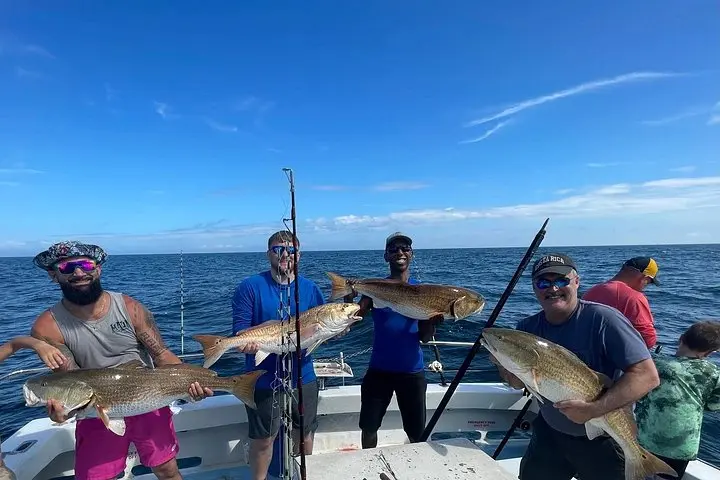
Calabash sits at the soft wedge where North Carolina and South Carolina trade weather and seafood lore. The town’s name is synonymous with the lightly breaded, fried seafood known nationally as “Calabash-style,” and the waters off its coast have fed communities here for generations. Geologically, you’re on a coastal shelf dotted with sandbars and channels that, at dusk, draw baitfish and predators into a nightly, sensational choreography. For anglers that means action: Black Sea Bass, Spanish Mackerel and King Mackerel that hunt fast; Cobia that cruise in the twilight; and encounters with shy bottom species that reveal themselves in tugged lines.
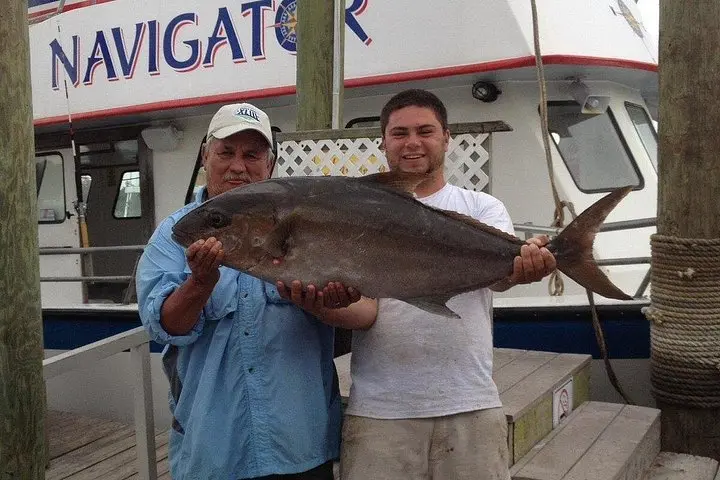
On a private four-hour charter aboard the Navigator, the evening compresses into an elegantly simple sequence—cast, wait, feel, reel. Crew members, seasoned in both seamanship and local patterns, read the water the way a chef reads a pantry. They’ll pick a strategy based on tide and wind—drift over a patch of reef, sit near a current seam, or troll slowly along a drop. The charter advertises accessibility: families and novices are welcome, but the trip delivers enough tactical nuance to keep experienced anglers on their toes.
The culture of Calabash and nearby Myrtle Beach pairs well with this kind of outing. You’re likely to return to shore smelling of salt and frying oil, ready for a plate piled with local catch or a stop at a small, friendly tavern where the beer is cold and the chef will cook the bounty you didn’t keep. The experience is as social as it is sporty—kids learn to bait hooks, hands are bandaged and rinsed with practiced efficiency, and someone always manages to tell the story of the fish that got away.
Practical realities matter here. A four-hour sunset charter is intensely weather-dependent: light winds and a clean sea make for comfortable casting and steady fishing, while a choppy chop turns patience into its own sport. Bring layers: evening temperatures can fall quickly near the water, and the wind off the shelf carries a chill even on summer nights. Footwear should be non-marking and grippy; the deck is efficient, not plush. Seasickness medicine is a smart addition for first-timers. On board, the crew will help with tackle and bait, but knowing a little about bottom rigs, trolling speed, and how to play a strong fish will deepen the day.
The best times to fish vary by species: Spanish Mackerel and King Mackerel spike in spring to early fall; cobia and larger migratory fish show up as seasons warm. Sunset is more than an aesthetic choice—it’s a shift in the feeding rhythm of many species. As daylight thins, fish move from scatter to focus. For photographers, this is prime golden-hour drama: low light, long shadows, reactive faces and water that changes color by the minute.
Conservation is quietly woven into the charter model here. Responsible captains enforce size and bag limits, educate guests about seasonal closures, and practice selective harvesting—keeping what’s legal and table-worthy, releasing the rest to fight another day. Handling practices matter: wet your hands, use barbless or circle hooks when appropriate, and avoid dragging fish across hot decks. The ocean will never forget how it was treated.
Who is this for? Families looking for a memorable, low-commitment maritime experience; intermediate anglers who want a guided push during prime light; and anyone who loves the tidy combination of a short, productive outing followed by dinner ashore. If you want a long offshore marathon, this is not that: it’s an evening of compact intensity—four hours of sunset, pursuit, and a calm ride home.
Book a private charter when you want control over pace and targets; new anglers will appreciate the hands-on coaching, while veterans can test tactics and local knowledge. Remember: the captain’s knowledge is your advantage. Ask which species they expect, what rig to use, and whether the boat will provide ice, cleaning, and filleting. If you plan to eat your catch ashore, call ahead to local restaurants about their policies for cooking fresh-caught fish.
At the end of the evening, when lines are stowed and the sky cools into violet, the Navigator eases back through the inlet as the first porch lights along the coast flicker on. You will have a handful of stories, a salt-line memory on your jacket, and maybe a fillet or two to test the town’s frying pans. It’s a tidy, elemental, and accessible way to measure time by sun and tide—an entirely human ritual refracted through a boat’s wake.
If you go: arrive early to watch the boat prep, bring layered clothing and motion-sickness remedies, and consider an afternoon nap—this is a short, intense night that rewards alert eyes and quick hands. Leave room for dessert: a local seafood dinner and a craft beer make the right punctuation to an evening where the Atlantic did most of the work and the sky supplied the show.