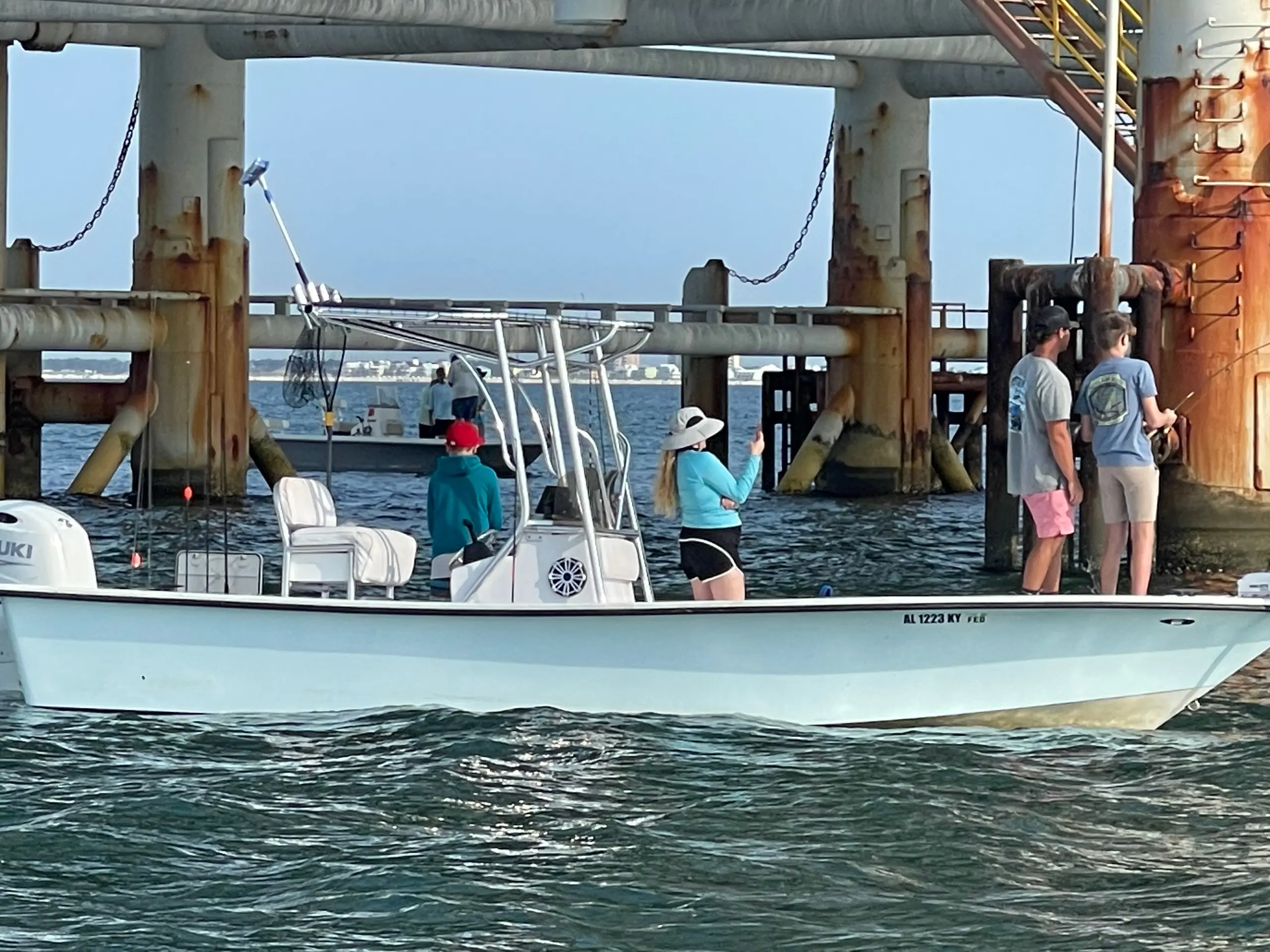
You step onto the gunwale with salt on your lips and a sun-warmed breeze that seems to know where the fish are. The boat hums to life and the shoreline of Orange Beach slides into a low, familiar horizon—white sand, a scattering of condos, a gull negotiating the thermals. For the next three hours the beach becomes a faint ribbon and the water, only a few nautical miles wide, is the theater.
This is nearshore fishing at its most democratic: not an expedition, but an intimate squeeze of the Gulf’s energy. On the Private Three Hour Nearshore/Trolling/Shark Fishing Charter you trade long transit for high-tempo action—trolling, flat lining, bottom rigs—and a shot at some of the Gulf’s speediest players: Spanish mackerel, king mackerel, bluefish, bonita, and the occasional thrill of a shark on the line. The trip is short, efficient, and designed for people who want the rush of a saltwater fight without the full-day commitment of an offshore outing.
The reef-and-sand architecture off Alabama’s coast makes this water alive. Geologically, the nearshore zone is a patchwork of sandbars, troughs, and shell beds that corrals baitfish and creates feeding lanes for predators. Historically, these waters supported local commercial and recreational fisheries that shaped Orange Beach’s identity—what was once small-scale boat fishing has become an organized tourism engine, with captains translating local patterns into five-star customer experiences. Many operators, including Fins and Family Fishing, emphasize both hospitality and responsible angling: U.S.C.G.-licensed captains, included licenses, and on-board fish cleaning mean you can expect a professional outing.
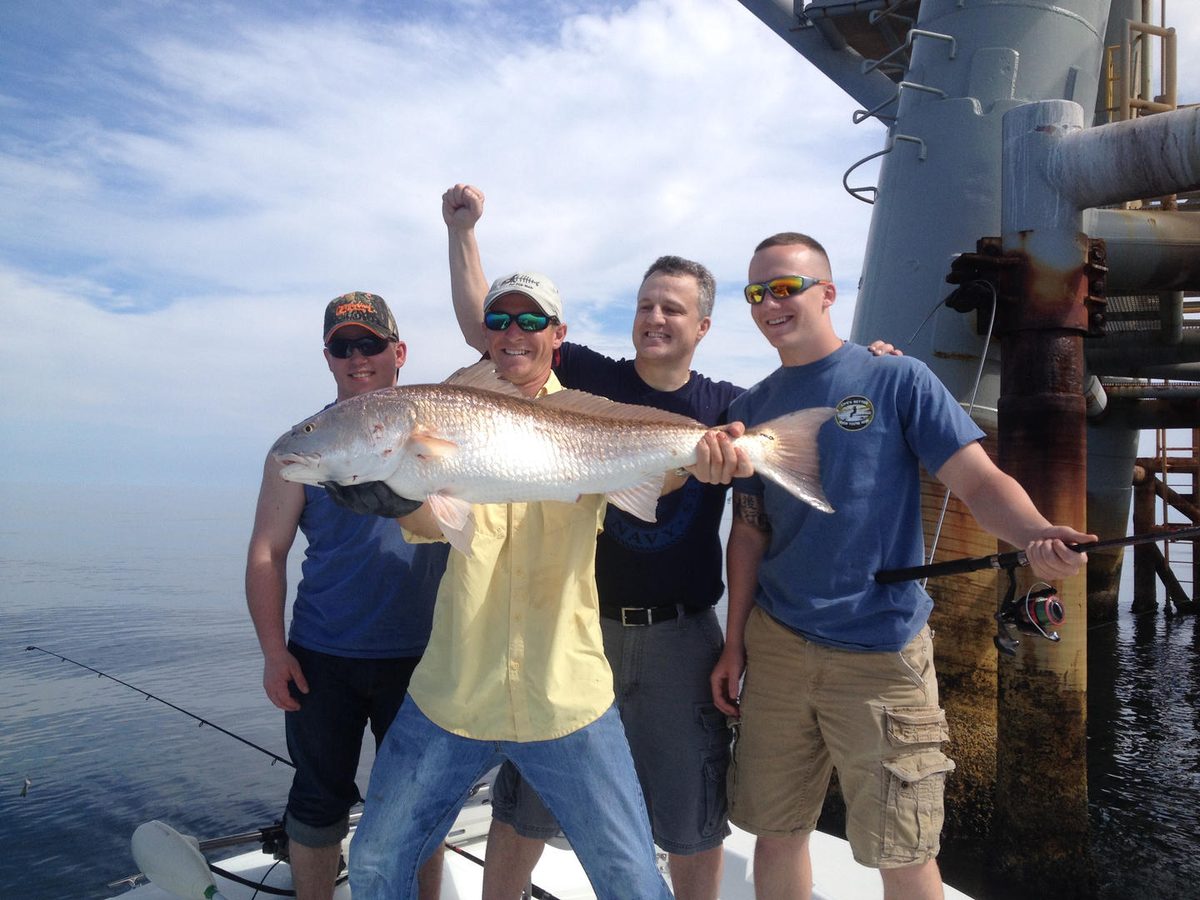
Technically the fishing is straightforward, but variable. In cooler months the crew often leans on light tackle bottom rigs and water-column presentations; in peak summer trolling becomes common to manage crowds and target fast swimmers. From mid-August through early November, you can mix methods—trolling, dropping, casting, and flat lining—on a single trip, and that variety is a big part of the appeal. Flat lining, where bait drifts near the surface on a large circle hook, is particularly effective for hooking the bigger fish; many of the largest charter catches come from this deceptively simple technique.
Practical details are refreshingly uncluttered. The charter is a private booking for 1–2 people starting at $550, with additional anglers welcome at $75 each. That rate includes a licensed captain, Alabama and Florida saltwater licenses, rods and reels, bait, tackle, fish cleaning and bagging, and life jackets—so you mostly need to bring yourself, a camera, and sun protection. The ride is rated for anglers 10 years and older and adults under 300 pounds, making it family-friendly without being cramped.
Why choose a three-hour nearshore trip? It’s the sweet spot for time-poor travelers and families who want a meaningful catch opportunity without seasickness or a full-day commitment. The short transit keeps fuel costs down and gives more time for fishing. For anglers who want to learn, the smaller window concentrates instruction: crew can show you how to set a flat line and the art of reading a rod tip in real time. If you’re chasing a trophy, bring patience—flat lining and live-bait presentations are your best bet for bigger kings and cobia.
Timing matters. Summer brings prolific trolling for Spanish and king mackerel and is when the fast pelagics are most abundant; spring and early winter favor bottom work and light tackle presentations. The crew adapts to wind, current, and recent catches, so expect the captain to pick the method that best suits conditions that day. And because the trip stays within roughly three nautical miles of shore, you can often see the beach the whole way—comforting for new anglers and great for photos.
On-board etiquette is simple: come prepared, listen to the captain, and be ready to move when the action starts. Pack sun-blocking layers, polarized sunglasses, and a light motion-sickness remedy if you’re prone. Bring snacks and a reusable water bottle; the crew handles bait and cleaning, and they’ll appreciate a tip if they help you land the big one. If you plan to take fish home, bring a cooler or confirm how they’ll bag and ice your catch.
If you want to book, look for operators who make their methods transparent and provide the basics—licenses, safety equipment, and cleaning. For an easy starting point and to learn about availability, check this local booking page for the experience: nearshore fishing with Fins and Family. Read trip descriptions, note passenger limits, and pick a morning or late-afternoon slot to avoid the midday sun.
Back on the dock, whether you’ve landed a keeper or just a memory, the proximity to Orange Beach means you can be at a seafood joint within minutes. That’s part of the trip’s appeal: three hours on the water, fresh fish cleaned and bagged, and options for immediately pairing your catch with local flavor.
For travelers who want a reliable, concentrated taste of Gulf fishing without a full-day commitment, the Private Three Hour Nearshore/Trolling/Shark Fishing Charter is an efficient, skilled-led way to get on the fish. It’s a practical, high-return corner of saltwater angling—short on transit, long on action—and it leaves room for more exploration of what the Gulf Coast does best: good fish, good views, and a clear path back to the shore.
For more booking details, and to compare schedules and availability for similar trips, see this guide to local experts offering these short, focused nearshore outings: book nearshore charters. And if you want to deepen your knowledge before you go, read up on trolling techniques and flat-lining strategies that will give you an edge on the water: learn more about nearshore tactics.