Fog hangs low over Northeast Harbor as the first ferry noses out from the dock, the bow cutting a clean seam through water the color of slate. Gulls keep their own schedule, arrowing between lobster boats and cedar-topped islands. The current nudges you forward, daring you to let the mainland go. Twenty minutes from now, you’ll step onto Great Cranberry Island—one of the Cranberry Isles off Mount Desert Island—and everything will slow down in the best possible way.
This is the rare kind of crossing that fits into any day: a short, scenic hop with an outsized payoff. On the Beal & Bunker Ferry, the ride is steady and simple—year-round, weather willing—yet the route threads through a corridor steeped in coastal history. The passage south from Northeast Harbor follows the Eastern Way, the same waters that carried fishermen, mailboats, and island families for generations. Granite once left these shores to build cities; today it’s stories and sea air that travel back and forth.
Great Cranberry Island waits low on the horizon, a long, quiet silhouette with working wharves and shell-strewn beaches. It feels like a place that knows how to keep its own counsel. In summer, wild roses lean into the breeze. In winter, the wind has a voice and the ferry answers it. Either way, the ride across is a reminder of why people fall for the coast of Maine: water is not an edge here, but a road.
Geologically, this route is a tour of ice-sculpted country. The islands rise from the same bedrock that shapes Acadia National Park—ancient granite worn smooth by glaciers and sea. Forest gives way to harbors where tides breathe in and out with steady purpose. Ospreys patrol the coves. Seals bob like punctuation marks in the swell. The water insists you pay attention; the horizon opens your lungs. Even on a calm day, the ocean carries a quiet energy that keeps you present.
And while the views steal the show, the human story is never far. The Cranberry Isles are a single town made up of five islands, and Great Cranberry is the long, lean workhorse of the group. For much of the year, the ferry hums along with a familiar cadence—groceries and gear heading out, kids and commuters coming in. In peak season, day-trippers share the deck with locals, everyone watching for porpoises that sometimes surf the bow wave. The Beal & Bunker Ferry keeps that rhythm running smoothly, linking the islands to Mount Desert’s shops, clinics, and the rest of the world.
A practical note for planners: this trip is tailor-made for flexibility. You can make an afternoon of it—walk the island roads, visit the small local museum when open, linger along the shoreline—or treat the ride itself as the experience. Pair the crossing with a morning exploring Northeast Harbor’s gardens (Thuya and Asticou are close and gorgeous), then catch an afternoon ferry back in time for a lobster roll on the mainland. The low barrier to entry is part of the appeal. No technical gear, no big time commitment—just show up, dress for marine weather, and let the boat do the heavy lifting.
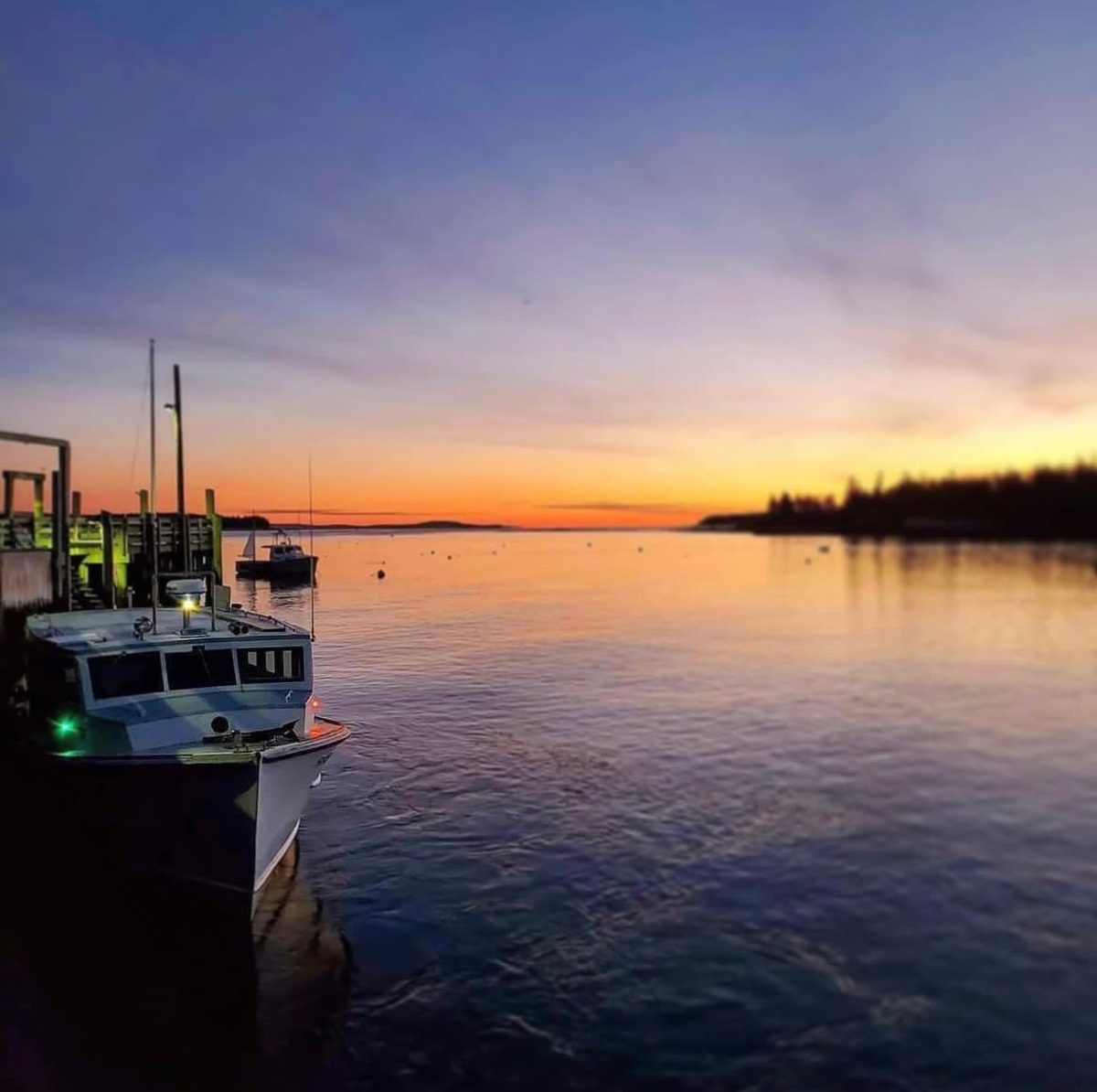
Timing matters on the coast. Mornings often bring glassy water and clear light—a gift for photographers looking to catch the first spark off the bay. Afternoon sea breezes can add texture and a few playful bumps to the ride. Sunset turns the boat into a front-row seat for sky drama, with Cadillac Mountain fading behind and the open Atlantic glowing ahead. In shoulder seasons, the crossing feels even quieter, the islands edging into their own slow-burn beauty. Pack a wind layer even in July; the ocean makes its own rules.
The ride is short, but it’s not short on detail. The crew will often point out seabirds or a particularly lively haul of lobster traps as you pass. The ferry slips past moored boats painted in the practical colors of working watermen. Every line tells you something: the way a skiff sits, the way a float’s buoys stack like bright punctuation on the tide. It’s the working waterfront in motion—honest, lived-in, and vital. Respect that cadence: step clear of gear, keep docks uncluttered, and follow crew directions as you board and disembark.
When you do step ashore on Great Cranberry, the island invites you to walk. Gravel roads wander past saltbox houses and shore paths that smell faintly of spruce and salt. It’s a simple pleasure that doubles as a reset. Grab a bench with a view, watch the lobster boats track their routes, let the sea set the pace. There’s no rush to fill your day; the island quietly makes sure of it.
For families, the ferry checks all the boxes: short, scenic, safe. For photographers, it’s a compact masterclass in maritime light. For anyone chasing a taste of coastal Maine without a full-day commitment, it’s the sweet spot. And if this crossing makes you want more (it probably will), you can use the same Beal & Bunker route to build a longer island-hopping day across the Cranberry Isles when schedules allow.
Before you go, check the forecast, confirm the schedule, and arrive a little early for parking and boarding. Bring layers, a hat, and a dry bag for your phone. Then let the crossing do what crossings do: carry you somewhere slightly different—and carry you back, the same and somehow not. Twenty minutes there. Twenty minutes home. Just enough time for the ocean to remind you who’s boss.