You pull on a windbreaker as the Rockies wake: pale light along the bow of the hoodoos, a thin fog lifting off the river that dares you to follow its current toward the valley. The van hums away from Banff’s main street and the air opens—limestone ridges, glittering lakes, and viewpoints stitched together so tightly they read like a single cinematic sequence. In 150 minutes you’ll cover miles that would take a day to stitch together on your own. What the Best of Banff: Signature Express Tour lacks in length it makes up for in choreography: carefully timed stops, small groups, and a guide who balances geology lessons with the kind of local stories that stick.
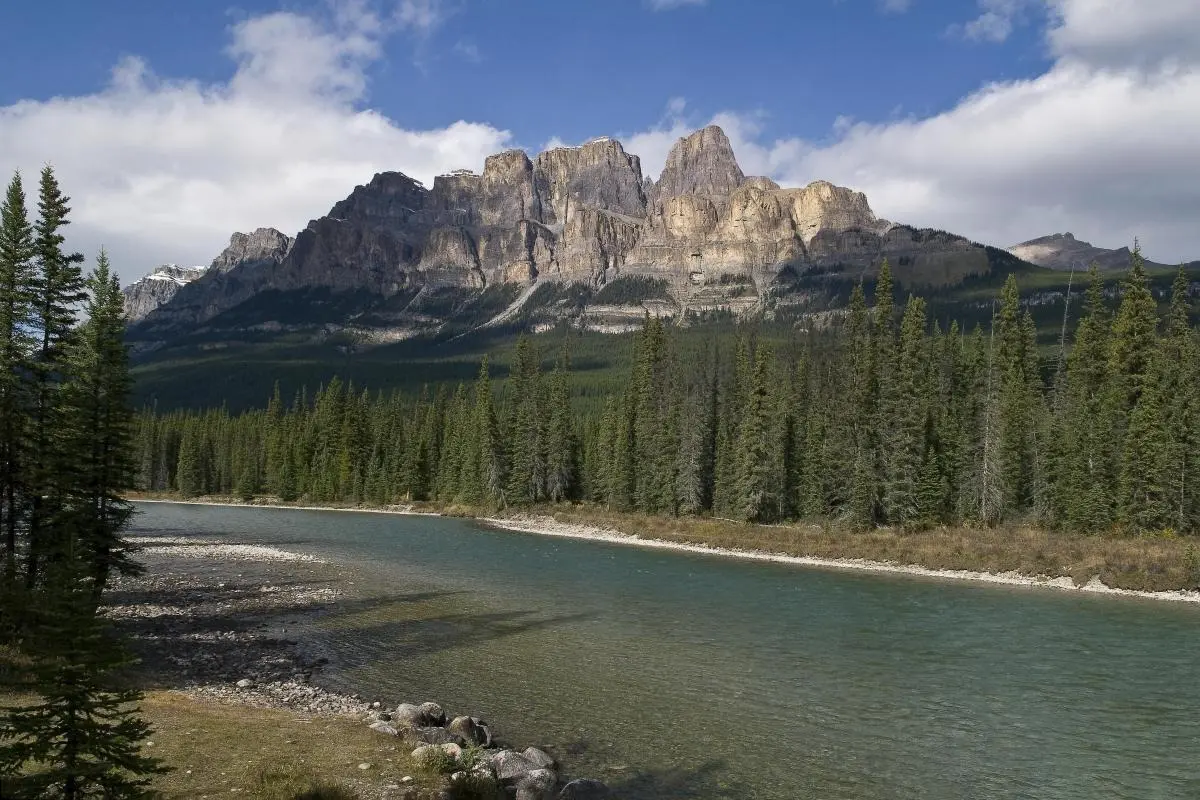
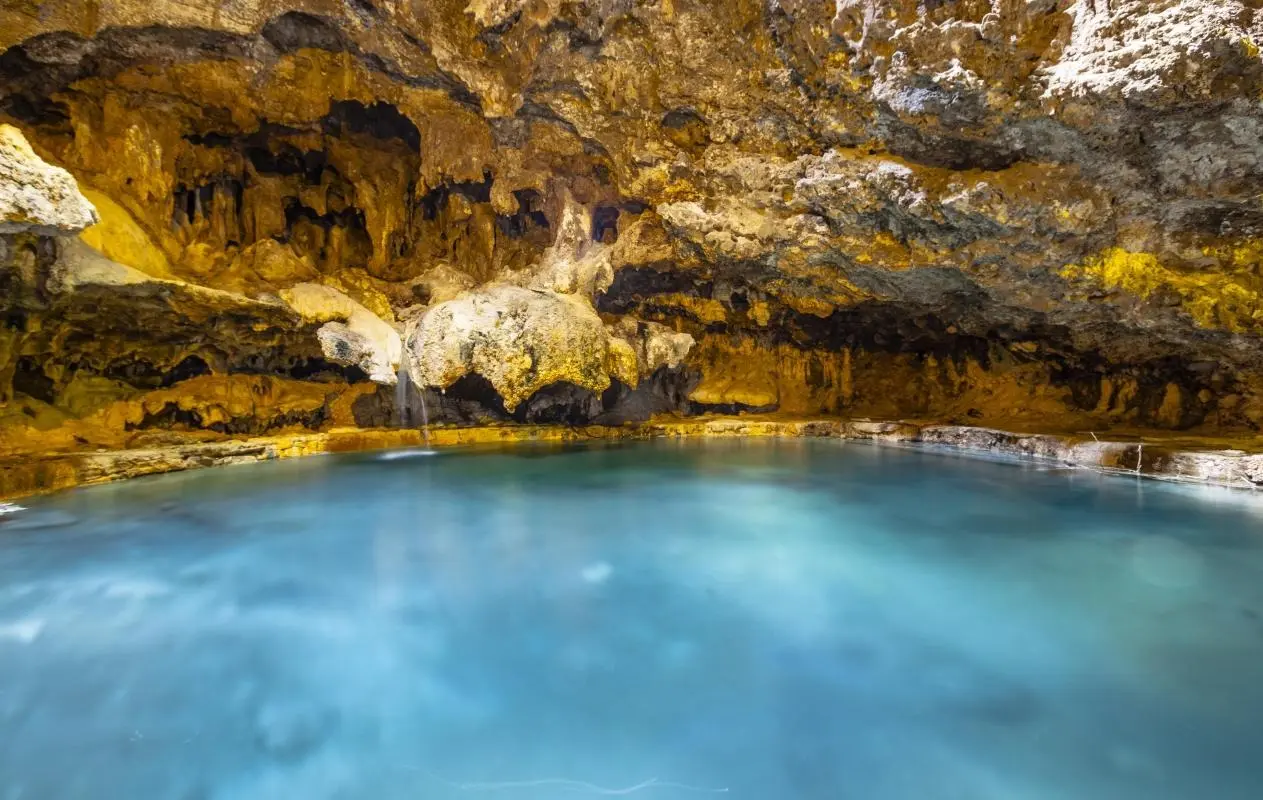
The route is compact by design. Surprise Corner gives a first, breath-stealing vantage of Bow River and Cascade Mountain. Two Jack Lake, quieter and reflective, is a place to let the water act like a mirror and recalibrate your senses. Depending on itinerary and season, the tour threads through roadside viewpoints and lesser-known pullouts—spotting elk on a hillside, watching a cloud drift across a glacier-scraped ridge. Guides here are storytellers: they’ll talk about the stubborn geology—sandstone and shale thrust upward millions of years ago, later carved into the dramatic amphitheaters you’re seeing—and about the human stories, from Indigenous connections to the arrival of the CPR and the hot springs discovery that birthed Canada’s first national park in 1885.
The Rockies wear time on their faces. Glacial flour in the alpine runoff turns lakes a near-surgical turquoise, a result of ground rock suspended in meltwater. Hoodoos—tall, thin spires of weathered rock—stand like sentinels of erosion, and the Bow River keeps time in riffles and quiet pools. Wildlife is never far away in Banff: elk, bighorn sheep, and, with luck and distance, bears. The tour’s pace puts you close enough to feel the landscape’s physicality—cool wind off a lake, the grain of lodgepole pines—without the logistics drag of self-driving, parking, and squeezing into crowded pullouts.
Practicality is baked into the experience. This is not a strenuous hike; it’s a curated viewing and learning experience with short walks at stops and plenty of photo time. Ideal for first-time visitors, quick-stay travelers, or anyone who wants a concentrated primer on Banff’s visual highlights, the Signature Express also works as an orientation for later adventures. Expect clear commentary about safety—how to behave around wildlife, why rockfall happens on certain slopes, and why timing matters for light and crowds.
Timing is everything. Early morning light softens the limestone faces and the low-angle sun brings out lake color; later, tour routes can run into clearer skies and busier pullouts. Guides often adjust for weather and crowd flow, which is where the small-group advantage matters: more flexibility, more meaningful moments. The tour’s ticketing is traveler-friendly—instant confirmation and a free cancellation policy make it low-risk if your plans shift.
If you go: dress in layers, carry a camera and a mid-telephoto for wildlife, and keep a Parks Canada pass handy—the national park requires one and it’s the right thing to do for conservation funding. Prepare for altitude—the town of Banff sits around 1,383 meters (4,537 feet)—and for sharp temperature swings between the valley floor and exposed viewpoints. Bring binoculars if you want to watch sheep climbing impossibly steep ledges, and respect wildlife with distance and silence; a photo is never worth endangering an animal or yourself.
Why travelers book this tour is simple: efficiency without feeling rushed. For the curious traveler who doesn’t want to drive or spend hours planning, it’s an expert-compacted crash course in what makes Banff both iconic and quietly surprising. You’ll leave with a stack of images and a handful of insights—about the park’s glacial history, the Indigenous landscapes, and how the elements keep shaping these ranges—that make a return visit feel inevitable.
The Signature Express is not a full substitute for time on the trail; it is an invitation. It shows you where to come back and linger: a particular lakeshore where the light is best at dusk, a ridge with wildflowers in late July, a river bend where otters play. It’s also a responsible way to experience Banff when time, weather, or ability limits longer excursions. Done right, the tour turns a quick stop into a meaningful introduction to mountain geography, conservation, and the simple, humbling pleasure of standing at the edge of a lake that looks painted by the earth itself.
In short: if you have a morning or an afternoon and want to see what makes this national park famous without the logistics headaches, this guided express is a strong, sensible way to feel the Rockies’ scale and walk away with a clear sense of where to return. The mountains don’t rush you—the tour simply gives you the key to the theater and a good seat.