Two Worlds in One Day: Airboats, Alligators, and Miami’s Colorful Streets

Two Worlds in One Day: Airboats, Alligators, and Miami’s Colorful Streets

A single-day adventure that pairs high-speed airboat wildlife viewing with Miami’s cultural highlights

Continue Reading

You step off the van before sunrise into the thin, honeyed light that settles over South Florida. The city still hums with an afterparty silence—late-night neon fading behind palm trunks—while the Everglades ahead breathe slow and low, a green ocean of sawgrass and glassy water. An airboat’s engine wakes like a beast shaking off sleep; the prop’s wind pushes your hair and the smell of wet earth into your face. For the next eight hours you move between two distinct rhythms: the river-that-isn’t-a-river daring you into its shallow channels, and Miami’s fast, glittering pulse—the Wynwood murals, the clacking dominoes of Little Havana, the pastel parade of South Beach.

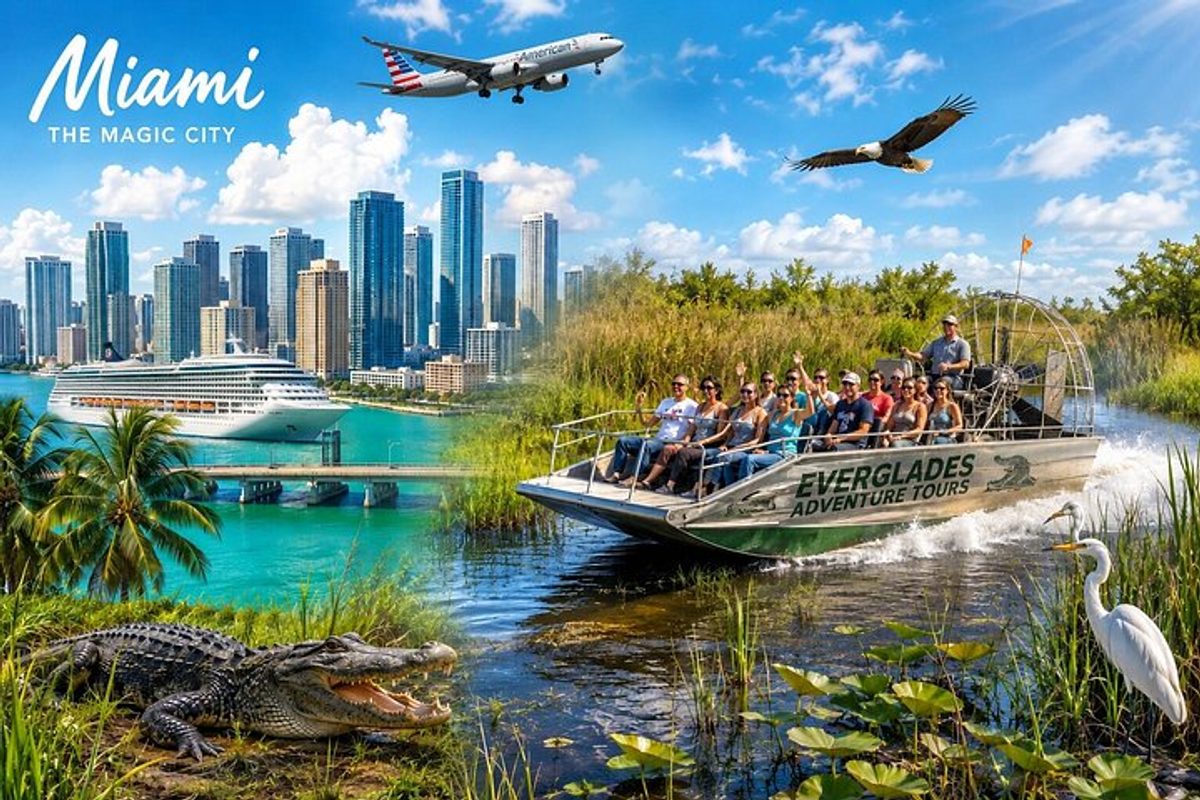
This combo tour compresses two very different stories of South Florida into one day. The Everglades are not a lake, nor a conventional river; they are a slow sheet of water — the River of Grass — where limestone and time have shaped a mosaic of mangroves, marshes, and hardwood hammocks. The airboat ride is short and thrilling: a staccato of wind and speed, punctuated by long stares into still water where alligators float like logs until they don’t. Guides point out roseate spoonbills, anhingas drying their wings, and the curved tooth of a gator’s back cresting near the reeds. The soundscape here is a chorus of insects and distant birds, with the occasional metallic roar of an airboat answering across the marsh.

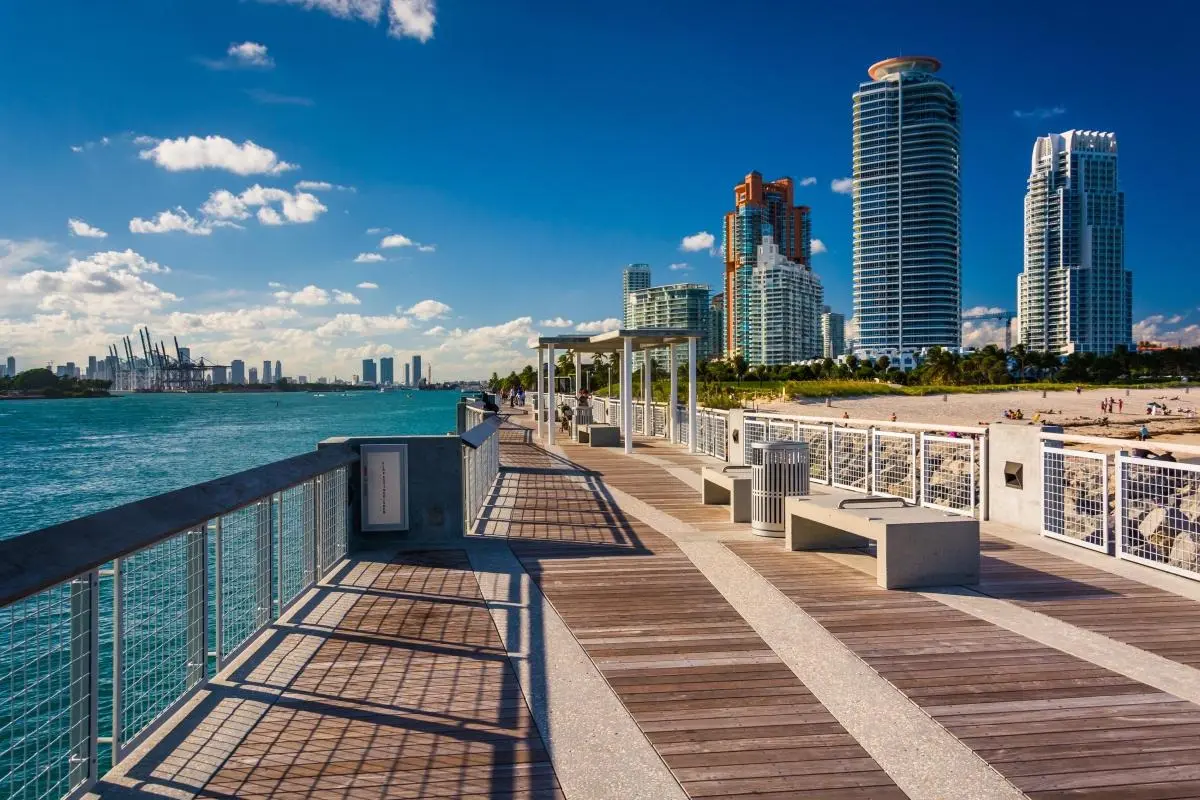
Return to Miami and the story becomes human: Cuban coffee and pastelitos in Little Havana, the high-art graffiti galleries of Wynwood, the South Beach stretch of Art Deco facades and Atlantic breeze. This is the cultural echo of a region shaped by migration, trade, and ocean access: a city where Calle Ocho’s rhythms meet Wynwood’s murals and the bay’s skyline mirrors art-deco silhouettes.

Geology and history anchor both halves. The limestone base beneath South Florida filters and channels water slowly; over millennia, that slow water built the Everglades’ unique ecosystem. In the 20th century, drainage projects and development greatly reduced the Everglades’ footprint—efforts now exist to restore flows and water quality for endangered species. On the human side, Miami grew as a port and cultural crossroads; waves of Caribbean and Latin American migrants remade neighborhoods into vibrant culinary and artistic hubs.

Why do this tour? It’s efficient: in a single day you feel the exhilaration of a fast airboat and get a curated orientation to Miami’s highlights. It’s photo-friendly: close wildlife sightings without long hikes, plus bold street art and skyline frames. It’s family-friendly—schools of thought, grandparents to teenagers, can find both an easy nature thrill and accessible city stops.

Practical realities matter. The airboat portion is noisy and windy—bring ear protection if you’re sensitive, and keep phones and cameras on straps. Wildlife viewing is opportunistic: guides know where to look, but animals are not guaranteed; the dry season (roughly November–April) concentrates wildlife and improves sightlines. Expect about eight hours total: pick-up in Miami, roughly a 45–75 minute transfer to the Everglades depending on traffic and exact departure point, a guided airboat ride (typically 30–45 minutes), and a city tour loop that visits Wynwood, Little Havana, South Beach, and the downtown skyline with photo stops.

For footwear and packing: breathable layers, a light rain jacket in summer, closed-toe shoes for the airboat dock, and a refillable water bottle. The weather is often hot and humid; hydration and sun protection are not optional. If you want cleaner photos, plan the Everglades first for softer morning light and move into Miami as the sun climbs. If you’re chasing wildlife specifically, book during the dry season or early morning departures.

This tour isn’t about hardcore wilderness skills or city nightlife deep-dives; it’s about juxtaposition. It gives you a taste of both the natural pulse of Florida’s wetlands and the human-made vibrancy of Miami neighborhoods. For first-timers, it’s an efficient primer; for repeat visitors, it’s a pleasant reminder that Florida is layered—water and culture stacked like strata. Most importantly, the experience leaves you with a clearer sense of place: a hand in the mud of the River of Grass and a coffee cup steamed from a sidewalk café on Calle Ocho.

On logistic notes: bring sunscreen, insect repellent in shoulder seasons, a camera with a mid-range zoom (100–300mm helps for birds and gators), and an openness to the day’s split personality. Respect wildlife—do not feed animals or lean over railings—and listen to your guide. When the airboat engine cuts and silence comes for a breath, you’ll understand why people come: the Everglades, for all its slow patience, has a way of making you move more carefully through the world. And back in Miami, when you taste the first sip of robust Cuban coffee, you’ll know why the city’s heart beats loud enough to carry all the way out to the marshes.
Duration8 hours
Group Size1–14 Guests
LanguagesEnglish
Rating5.0 (10 reviews)
Plan your visit

Trail Wisdom

Bring ear protection

Airboat engines are loud; earplugs or a small headset will make the ride more comfortable and protect hearing.

Use straps for cameras

Secure phones and cameras to avoid losing them to wind gusts during high-speed sections.

Hydrate and sun-protect

Florida sun and humidity add up—carry a refillable water bottle and high-SPF sunscreen.

Plan for morning wildlife

Wildlife is most active in the cooler morning hours—try to schedule the Everglades portion early.

Local Knowledge

Hidden Gems

  • The small community galleries around Wynwood’s northern blocks for emerging local artists
  • A short detour to Matheson Hammock Park for calm mangrove-lined inlets

Wildlife

American alligator, Roseate spoonbill

Conservation Note

The Everglades face ongoing water-quality and restoration challenges—avoid feeding wildlife, stay on paths, and support local conservation organizations.

The Everglades’ modern conservation story grew from 20th-century drainage projects and subsequent restoration efforts; Miami’s neighborhoods reflect waves of Caribbean and Latin American migration over the last century.

Seasonal Guide

spring

Best for:Migratory birds, Mild temperatures
Challenges:Increasing humidity, Occasional rain showers

Spring offers good birdwatching as migratory species pass through and temperatures remain comfortable, though showers become more frequent later in the season.

summer

Best for:Lush greenery, Long daylight hours
Challenges:High heat and humidity, Afternoon thunderstorms, More insects

Summer turns the Everglades verdant but hot—expect storms and mosquitoes; early mornings are cooler and more pleasant for wildlife viewing.

fall

Best for:Fewer crowds, Lower humidity (late fall)
Challenges:Hurricane season tail risks (early fall), Unpredictable weather

Fall can be quieter in Miami and the Everglades; late fall improves conditions as the wet season ends, but early fall overlaps with hurricane season.

winter

Best for:Dry-season wildlife concentrations, Clear skies and cooler temps
Challenges:Higher visitor numbers, Cooler mornings

Winter is prime: drier conditions concentrate wildlife into visible areas and skies are generally clearer—expect more tourists at top sites.

Photographer's Notes

Bring a mid-range zoom (100–300mm) for wildlife and a wide-to-standard lens for Wynwood and skyline shots; shoot the Everglades early for softer light and better animal activity, use a polarizer to cut glare on water, and stabilize for low-light interior shots in Little Havana cafés.

What to Bring

Closed-toe shoes

Essential

Protects your feet on docks and during any short trail or boardwalk walks.

Refillable water bottle

Essential

Staying hydrated is crucial in South Florida’s heat and humidity.

○

Mid-range zoom lens or compact binoculars

Helps with bird and alligator viewing from a safe distance and enhances photos.

○

Light rain jacket

Useful during sudden tropical downpours in summer months.

Common Questions

How long is the tour?

The full experience runs about eight hours, including transport, a guided airboat ride, and city sightseeing stops.

Will I see alligators?

Guides position airboats in productive areas and sightings are common, especially in the dry season, but wildlife cannot be guaranteed.

Is this activity family-friendly?

Yes—families with children and older adults often take this tour; it involves minimal walking and accessible transportation.

What should I wear?

Light, breathable layers, closed-toe shoes for the boat dock, sun protection, and a light jacket for cooler mornings are recommended.

Are meals included?

Meals are typically not included; the tour makes stops where you can buy food and drinks in Miami neighborhoods.

Do I need prior booking?

Advance booking is recommended, especially in high season (winter months) when tours fill quickly.

What to Pack

Closed-toe shoes, refillable water bottle, sunscreen and sunglasses, camera with telephoto lens - for comfort, hydration, sun protection, and wildlife photos.

Did You Know

Everglades National Park is a UNESCO World Heritage Site, a Wetland of International Importance, and a biosphere reserve.

Quick Travel Tips

1) Book morning departures for cooler temps and better wildlife sightings. 2) Pack sun protection and insect repellent. 3) Expect limited cell service in the Everglades. 4) Bring cash for small vendor purchases in Little Havana.

Local Flavor

After the tour, head to Little Havana for a cortadito and a pastelito at a neighborhood ventanita, stroll Wynwood for contemporary street art and craft beer, and finish with a seafood dinner on South Beach—think fresh ceviche or seasonal stone crabs (in season).

Logistics Snapshot

Closest airport: Miami International Airport (MIA); Typical driving distance to airboat departure: 45–75 minutes from central Miami; Cell service: Good in Miami, limited in the Everglades; Permits: None required for standard tour participation.

Sustainability Note

The Everglades are an internationally important wetland—avoid feeding wildlife, dispose of trash properly, and choose operators that follow wildlife viewing guidelines to minimize disturbance.

Topics

Included

  • On-route commentary
  • Bottled water
  • Air-conditioned vehicle
  • Shared hotel pickup & drop-off

Good to Know

  • Infants and small children can ride in a pram or stroller
  • Service animals allowed
  • Public transportation options are available nearby
  • Infants are required to sit on an adult’s lap
  • Suitable for all physical fitness levels
  • Shared experience and shared transportation. Airboat rides and alligator shows are conducted in English. On-route commentary available in English / Spanish / German. Extended courtesy stops outside the free pickup zones may be possible; small supplement fee may apply.
  • Downtown Miami area pickup time - 7:45am. Miami Beach area pickup time - 8:00am