Under the Canopy: Chasing Horto’s Waterfalls in Tijuca National Park

Under the Canopy: Chasing Horto’s Waterfalls in Tijuca National Park

A four-hour urban-forest hike and swim loop through one of the world’s largest city parks

Continue Reading

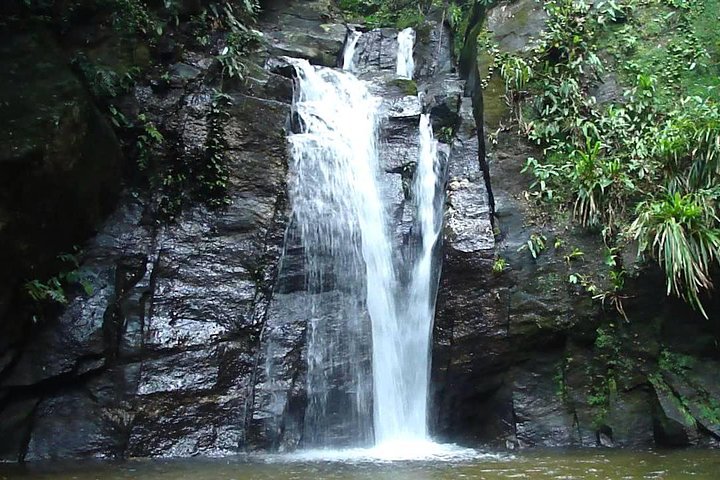
You step off the van and the city’s honk fades like a curtain dropping. A cool, green hush takes its place—ferns brushing your calves, bromeliads cupping rain like small green bowls, and the air tasting faintly of loam and salt carried from the coast. The Horto Waterfalls Circuit begins with the sound you came for: water, patient and constant, threading through rock and root. Over four hours you’ll move through that rhythm—climbing narrow trails, crossing wooden footbridges, and slipping into natural pools beneath fern-fringed cascades. The forest here is not shy. It nudges you forward, offers cold showers under a thin drop of water, then widens to a viewpoint where Rio’s granite shoulders puncture the skyline.

Tijuca National Park is one of the largest urban forests in the world, and the Horto circuit is a concentrated lesson in why. The walk covers roughly 6 kilometers (about 3.5–4 hours at a steady pace) with an estimated 300–400 meters of cumulative elevation gain—steep in places but never technical. Terrain alternates between packed dirt paths, exposed roots, and moss-slick rock near the waterfalls; comfortable, grippy trail shoes make the difference between cautious steps and an easy stride. This is a hike built for curiosity: each turn reveals a new fall—starting at Jequitibá, named after the massive native tree, and winding down to the Shower (Chuveiro) or Box Waterfall, where the water invites you to bathe.

Beyond the immediate sensory pleasures, the circuit is a compact history and geology lesson. Tijuca is a story of deliberate recovery: mid-19th-century reforestation projects turned once-degraded land into the dense Atlantic Forest you walk now. The park sits on volcanic and metamorphic foundations; the rock’s resistance to erosion creates the vertical drops and small amphitheaters where waterfalls form. Culturally, the forest is threaded into Rio’s identity—its trails once served as routes between coffee plantations and the city, and today locals come to this cool, humid refuge on weekend mornings to walk with family, jog, and take a dip in freshwater pools.

Practicalities matter on a route that mixes bathing and hiking. Water is permitted at all the falls on this guided tour, but swim with respect: currents can shift after heavy rains, and pools can hide submerged rocks. Guides that run the Horto circuit know the safest entry points and can pace the day so you hit the best swim spots when the light softens and crowds thin. Timing is everything—start before mid-morning on weekends to avoid the rush, and on weekday afternoons the forest feels almost private.

Bring a small dry bag for phone, sunscreen, and a snack. Hydration is more than comfort; it keeps your attention sharp for slippery rock sections. A quick-dry towel and swimwear let you take full advantage of the permitted bathing. If you’re coming from elsewhere in Rio, leave the full city pace behind: traffic into Alto da Boa Vista and Horto can add time to your door-to-trail commute.

Why go? Because the Horto loop condenses what makes Tijuca special: dense canopy, visible geology, and freshwater so clear it hits like a reset. It’s accessible to intermediate hikers who want more than a city stroll but less than a full-day mountain grind. And it offers an easy chance to connect with both nature and Carioca culture—on any given morning you’ll see local families, students, and solo travelers sharing the same pools.

Practical tips to plan the day: book a guided tour if you want local context and logistics handled—many include transport and a guide who can read the shifting water conditions. Dress in layers; Rio’s interior forest can be cooler than the coastline, and showers or microclimates are common. Expect intermittent cell service under the thick canopy; download maps or carry a GPS track if solo. Respect the park—pack out everything, don’t disturb vegetation by creating new trails, and avoid bringing single-use plastics to the pools.

For photographers, the forest rewards patience: slow down for shafts of light that find the mist around a cascade, and use a polarizer to deepen leaf color and tame glare. For families, choose swims that are shallow and supervised—guides will steer you away from drop-offs. For experienced hikers, the circuit’s steep steps and slick rock provide enough technical interest without requiring rope or specialized gear.

By the time you loop back to the van, your clothes are damp, your hair flecked with dew, and the city feels both familiar and oddly far away. That’s the appeal of Horto: four hours to recalibrate, to let a city’s pulse sync back to a forest one. If you leave with a single impression, let it be this: Tijuca doesn’t act small to fit into a metropolis. It asserts itself—quietly, insistently—moving water that dares you to follow.

Duration3–4 hours
Group Size1–10 Guests
LanguagesEnglish
Rating4.7 (14 reviews)

Not recommended for travelers with poor cardiovascular health

Not recommended for travelers with spinal injuries

Not recommended for pregnant travelers

Plan your visit

Trail Wisdom

Start Early on Weekends

Begin before 9 AM to avoid crowds and secure the best swimming spots.

Wear Grippy Shoes

Slick rock and root fields make a sturdy trail shoe or low hiker essential for safety.

Bring a Dry Bag

Protect phone, snacks, and spare layers from sprays and unexpected showers.

Swim Cautiously

Waterfalls permit bathing, but follow your guide’s advice—hidden currents and submerged rocks exist.

Local Knowledge

Hidden Gems

  • Small natural plunge pools below Box Waterfall—less visited late afternoon
  • A viewpoint alcove halfway through the circuit with a framed view of Rio’s western ridges

Wildlife

Toucans (occasionally), Capuchin monkeys

Conservation Note

Tijuca is a managed national park—stay on marked trails, avoid using soaps in pools, and pack out all waste to protect sensitive Atlantic Forest habitats.

The Tijuca Forest was largely replanted in the 19th century to restore water supplies and counter deforestation tied to early coffee cultivation.

Seasonal Guide

spring

Best for:Wildflowers and new leaves, Fewer crowds than summer
Challenges:Occasional afternoon showers, Trail muddiness after rains

Spring brings fresh green growth and comfortable temperatures, though brief showers can make trails slick—pack a light rain layer.

summer

Best for:Warm water swims, Lush canopy
Challenges:Higher humidity and heat, More weekend visitors

Summer is ideal for cooling dips but expect hot, humid conditions and busy mornings at popular falls.

fall

Best for:Clearer skies and views, Comfortable hiking temperatures
Challenges:Unpredictable rain events, Shorter daylight hours

Fall often offers crisp mornings and pleasant hiking; late rains can still make footing tricky, so wear proper shoes.

winter

Best for:Drier trails and easier views, Cooler forest air
Challenges:Cooler water temperatures for bathing, Less daylight late in the day

Rio’s winter brings drier weather and clearer trails, making it a dependable season for the Horto circuit—water will be cooler but refreshing.

Photographer's Notes

Use a polarizing filter to deepen foliage and control reflections on wet rock; shoot low and include foreground ferns for depth; for waterfalls, try a slightly slower shutter (1/15–1/60s) with steady hands or a small tripod to convey motion without blown highlights.

What to Bring

Sturdy Trail Shoes

Essential

Grip and ankle support help on wet rock and exposed roots.

Hydration Bladder or 1–2L Water Bottle

Essential

Sustained energy and focus depend on adequate hydration in humid forest conditions.

Quick-Dry Swimwear and Microfiber Towel

Essential

Allows you to take advantage of the permitted bathing spots without staying wet for the rest of the hike.

○

Light Waterproof Shell

Protects against sudden showers and preserves core warmth on cool mornings.

Common Questions

How long is the Horto Waterfalls Circuit?

The guided tour runs about 3–4 hours and typically covers roughly 6 kilometers with multiple waterfall stops.

Is swimming allowed at all the waterfalls?

Yes—this circuit permits bathing at its waterfall pools, but follow your guide’s instructions for safe entry points and current conditions.

Do I need to be an experienced hiker?

No—fitness at a moderate hiking level is sufficient. The route has some steep sections and slick rock but requires no technical climbing skills.

How do I get to the trailhead from central Rio?

Many tours include pickup; if going independently, allow 30–60 minutes by car from central neighborhoods depending on traffic and use the Alto da Boa Vista/Horto area as your destination.

Are there restroom facilities along the hike?

Facilities are limited in the forest; use restrooms at trail access points before you start and carry hand sanitizer for mid-hike needs.

Is the hike suitable for kids?

Yes—families often do the circuit, but supervise children at pools and on exposed rock; choose a slower pace and confirm any age limits with tour operators.

What to Pack

Trail shoes, swimwear, 1–2 liters of water, small dry bag to protect electronics

Did You Know

Tijuca National Park is one of the largest urban forests in the world and was largely replanted in the 19th century to restore the watershed for Rio de Janeiro.

Quick Travel Tips

Book morning slots to avoid crowds; bring cash for quick purchases; download an offline map before entering the canopy; confirm pickup location with your operator

Local Flavor

After the hike, head to Alto da Boa Vista or nearby Santa Teresa for a late lunch—look for simple churrascarias, tapioca stands, or a bar serving cachaça and cold beer to refuel with Carioca flavors.

Logistics Snapshot

Closest airports: Santos Dumont (SDU) or Galeão (GIG); Trailhead driving time: 30–60 minutes from central Rio depending on traffic; Cell service: intermittent under canopy; Permits: no special permits—guided tours recommended for logistics and safety.

Sustainability Note

This circuit runs through protected Atlantic Forest—stay on established trails, carry out trash, and avoid introducing soaps or sunscreens into natural pools.

Topics

Included

  • Round-trip transfer (selected hotels if private option only)
  • Professional guide
  • All taxes, fees and handling charges
  • Private tour (if selected)
  • Hotel pickup and drop-off (selected hotels only private option)

Good to Know

  • Not recommended for travelers with poor cardiovascular health
  • Not recommended for travelers with spinal injuries
  • Not recommended for pregnant travelers
  • Travelers should have at least a moderate level of physical fitness
  • Minimum age is 14 years
  • A high amount of walking is involved
  • Subject to favorable weather conditions. If canceled due to poor weather, you will be given the option of an alternative tour, date or full refund
  • It is recommended that you bring comfortable shoes with good grip, a light snack, water, sunscreen and insect repellent
  • A current valid passport is required on the day of travel