Under the Stars at Pawna: Lakeside Camping, Campfires and Morning Mist

Under the Stars at Pawna: Lakeside Camping, Campfires and Morning Mist

A short, soulful escape: campfires, live music and a sunrise over Pawna Lake

Continue Reading

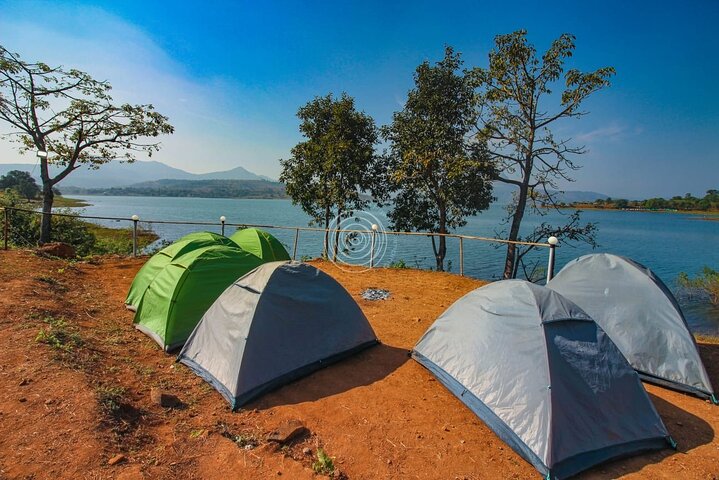
You arrive late-afternoon with the breeze carrying the smell of wet earth and charcoal. The lake sits like a dark glass, a soft edge against the hills, and the sun slides toward a ridge that has been holding onto warmth all day. Tents—bright, friendly blips—dot the shoreline. A guitar, not yet tuned, waits beside a folding chair. Someone laughs, and the night remixes itself into a soundtrack of crackling wood, low conversation and distant insects.

Pawna Lakeside Camping is small-scale and deliberate: one night under a canvas roof, dinner cooked over flames, and a morning that insists you wake early for the sunrise. It’s not about austere solitude or a rugged thru-hike; it’s about reconnecting with the easy rhythms of being outside—stargazing until your eyes ache, the lake daring you close enough to throw a stone, and the hills pushing your shoulders into relaxation. For city dwellers from Pune and Mumbai, the site offers a concentrated, accessible escape where nature still keeps an authoritative voice.

The lake itself is a man-made reservoir formed by the Pawna Dam on the Pawna River—an engineered body of water wrapped by laterite hills and pockets of scrub and forest. Those steep slopes are remnants of the Western Ghats’ outer ranges; they give the site a bowl-like quality, intensifying the wind’s whistle and the light during sunset. Locally, Pawna’s popularity grew as weekend travel from the nearby metros increased; in the last decade, lakeside camping has evolved from ad-hoc nights around a fire to curated experiences with live music, BBQs and small-group hospitality.

There’s a local culture here that’s practical and welcoming. Vendors from nearby Lonavala deliver food and supplies; hosts string fairy lights and manage the logistics so you don’t have to. The region’s history is woven into its landscape—fort ruins and military roads perch on ridgelines nearby, reminders that these hills have been strategic high ground for centuries. Geologically, the area’s lateritic soils and basalt outcrops are typical of the Deccan plateau edges; rainfall carves the contours and fills the lake, making monsoon and post-monsoon months the most vivid.

But the affection for Pawna is contemporary: it’s a weekend ritual for groups wanting a low-effort, high-reward night out. Music sets the mood—a mix of acoustic sets and DJs on busier nights—while the lake edges provide quietly cinematic moments: rowing boats cutting mirrored reflections, a lone kite-seller silhouetted against the water, and, if you look closely at dawn, the small stirrings of waterbirds claiming the first light.

Practicality matters here. The campsite runs an organized itinerary—check-in around 3–4pm, orientation and high tea, an evening BBQ, live music and a campfire running into the night, followed by breakfast at sunrise and a relaxed check-out by late morning. It’s a short, easily digestible schedule: one overnight that gives you enough time to settle in and still get back to work on Monday.

If you’re thinking about going, pack for contrast. Even in Maharashtra’s warm months the nights can be crisp by the water. A lightweight sleeping bag or warm blanket, closed-toe shoes, and a small headlamp will make the difference between a memorable night and an uncomfortable one. Stay hydrated—alcohol and campfires are social lubricants, but the lake breeze and late-night dancing can dehydrate you faster than you expect.

Timing is everything. Post-monsoon and winter months offer clear skies and stargazing; monsoon weekends bring dramatic cloudscapes and green hills, but the site can be muddy and gear will get damp. Weekends fill fast—book in advance for a group spot and ask your host about privacy if you want a quieter patch of shoreline.

Beyond the campsite, combine a night here with a morning hike to a nearby ridge or a brief visit to Lonavala for local chikki (peanut brittle) and chai. If you want more water time, rent a coracle or join a short paddle—this part of the lake favors calm, reflective mornings more than boisterous water sports. Respect the environment: use provided waste bins or pack out what you bring, and keep fires to approved pits.

For travelers craving a tidy, low-effort outdoors night with a social edge, Pawna does the job well. It’s not about conquering peaks; it’s about the slow recalibration of senses—smoke on fingers, the slap of dew-soaked grass underfoot, a chorus of frogs that announces dawn. The experience is immediate and human: a community around a fire, a friendly host with practical instructions, and a landscape that is generous enough to feel like an escape after just one night.

DurationApprox. 18 hours (overnight)
Group Size1–30 Guests
LanguagesEnglish
Rating4.3 (3 reviews)
Plan your visit

Trail Wisdom

Arrive with daylight

Check-in typically begins around 3–4 PM; arrive before sunset to pick a good pitch and orient yourself to the site.

Layer for the night

Temperatures drop quickly after dark near the water—bring a warm layer and a sleeping bag rated for cool nights.

Keep food sealed

Store snacks in sealed containers to avoid attracting insects and wildlife to your tent area.

Use LED lights

Headlamps and small LEDs preserve night vision and minimize disturbance to other campers and wildlife.

Local Knowledge

Hidden Gems

  • Early-morning boat rides near the shallow inlet
  • Short ridge walk for a sunrise panorama above the lake

Wildlife

Indian flying fox (bats at dusk), Various waterbirds such as egrets and kingfishers

Conservation Note

Campers should pack out waste, avoid single-use plastics, and use designated fire pits; local operators are increasingly enforcing strict leave-no-trace rules.

Pawna Lake is a reservoir created by the Pawna Dam; the region’s ridgelines have historical forts and routes tied to Maratha-era defense.

Seasonal Guide

spring

Best for:Cool nights, Clear sunrises, Fewer crowds
Challenges:Occasional haze, Unpredictable winds

Spring offers mild days and crisp nights—good for sunrise views and calmer crowds.

summer

Best for:Longer daylight, Evening music, Family trips
Challenges:Warm daytime temperatures, Mosquitoes in still water

Summers are lively and social; bring sun protection and insect repellent.

fall

Best for:Post-monsoon green hills, Comfortable nights, Photogenic landscapes
Challenges:Weekend rush, Mud on trails early in fall

Fall (post-monsoon) brings dramatic greenery and clear skies—expect busier weekends.

winter

Best for:Stargazing, Chilly campfires, Clear sunrises
Challenges:Cold nights, Higher demand for bookings

Winter is peak for stargazers and crisp dawns—pack warm layers and thermals.

Photographer's Notes

Arrive before sunset for golden-hour reflections on the lake; use a wide-angle lens for shoreline panoramas and a small tripod for low-light campfire and star shots—shoot at low ISO for sharper stars and expose for the sky to capture the Milky Way during clear winter nights.

What to Bring

Warm sleeping bag or blanket

Essential

Keeps you comfortable through cold lakeside nights.

Headlamp with spare batteries

Essential

Hands-free light for late-night tent tasks and short walks.

Closed-toe shoes

Essential

Protects feet on rocky or damp shores and during short hikes.

○

Insect repellent

Useful in warmer months and near still water to keep bugs at bay.

Common Questions

How do I get to the campsite?

Most travelers drive from Lonavala (about 15–25 minutes) or Pune (roughly 60–90 minutes); hosts typically provide clear directions and may arrange pick-ups—confirm at booking.

Is the camp family-friendly?

Yes—activities like campfires, board games and live music are suitable for families; supervise children near the water.

Are meals included?

The typical package includes evening BBQ/dinner and breakfast; confirm menu and dietary needs at booking.

Can I swim in the lake?

Swimming is not generally recommended due to variable depths and no lifeguards—ask the host about supervised options or safe swimming zones.

Is electricity or Wi‑Fi available?

Expect limited or spotty cell service and no reliable Wi‑Fi; the experience is intended to be low-tech and outdoors-focused.

Do I need permits?

No special permits are usually required for private campsites, but always check booking details and local rules for large groups.

What to Pack

Sleeping bag or warm blanket (cold nights), headlamp (hands-free light), closed-toe shoes (rocky shore), water bottle (stay hydrated)

Did You Know

Pawna Lake was formed by the Pawna Dam across the Pawna River and has become a popular weekend camping destination for residents of Pune and Mumbai.

Quick Travel Tips

Book weekends in advance, bring cash for local vendors, confirm check-in time with your host, arrive before dark to choose a good tent spot

Local Flavor

After the campfire, head into Lonavala for a plate of local chikki (a jaggery-and-nut sweet), chai at a roadside stall, or a hearty Maharashtrian thali at a nearby dhaba—these simple stops center the trip in the region’s flavors.

Logistics Snapshot

Closest airport: Pune (Lohegaon) ~65 km; Driving distance from Lonavala: 15–25 minutes; Cell service: patchy near the shore; Permits: none typically required—pre-book campsite.

Sustainability Note

This is a managed lakeside area—pack out all trash, use designated fire pits, avoid washing utensils in the lake, and choose biodegradable products to reduce impact.

Topics

Included

  • Snacks
  • Dinner
  • Breakfast
  • Coffee and/or Tea

Good to Know

  • Service animals allowed
  • Specialized infant seats are available
  • Suitable for all physical fitness levels