Vertical Days in the Dolomites: A Half‑Day Climb Above Cortina

Vertical Days in the Dolomites: A Half‑Day Climb Above Cortina

A focused half-day of guided sport climbing on classic Dolomite limestone—perfect for beginners and skill-builders.

Continue Reading

By the time the van squeezes through the last hairpin and the town's roofs fall away, the Dolomites are already demanding: pale limestone towers pitched against a sky that changes moods by the hour. A single rack of bolts catches the morning sun like punctuation, and beneath a band of chalk-white rock you can hear wind in the scree—an impatient, breathing thing. For five hours you’ll trade the soft predictability of a trail for the vertical grammar of sport climbing: bolt, hold, stance, breathe. It’s a compact, uncompromising lesson in mountain geometry, and it happens all within an easy drive of Cortina d’Ampezzo.

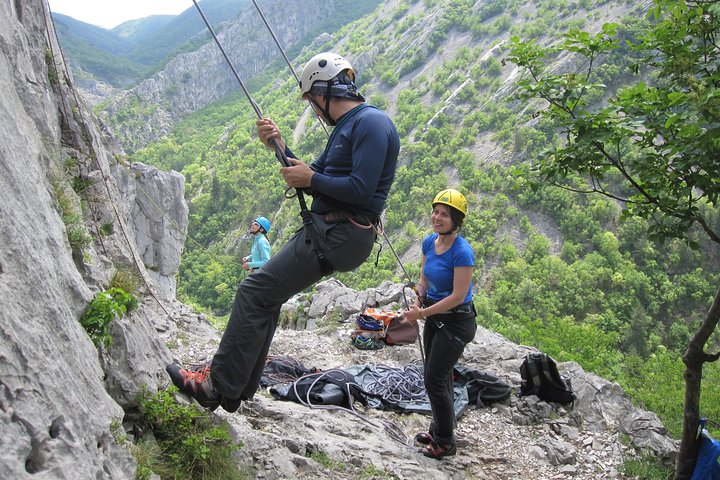
This guided experience is designed to be democratic. Absolute beginners step up and clip a top rope for the first time; intermediate climbers polish footwork on limestone pockets and tufas; proficient climbers practice lead techniques under a guide’s watchful eye. The Dolomites’ rock is world-class: fossil-rich, pocketed limestone that demands precise feet and rewards careful reading. Bolted sport routes make it possible to experience real vertical exposure in a way most hikers never will—without committing to multi-pitch alpinism.

The setting matters as much as the climbing. The Dolomites are a UNESCO World Heritage Site for good reason: the uplifted carbonate platforms that formed here 250 million years ago have been sculpted into crenellated ridges, freestanding towers, and sheer faces. Cultural landscapes thread through the mountains—refugios (alpine huts) serving polenta and speck, and World War I relics tucked in shell craters. Local guides often fold these stories into a short history: how shepherd routes became war routes and then became the modern climbing playground.

A day on the rock here is sensory and practical. Limestone bites at fingertips and makes chalk mandatory; routes that look smooth from below alternate with tiny grainy feet and pockets that beg for a two‑finger hook. The approach is rarely dramatic—usually a 10–45 minute walk or scramble—so the climb itself is the focus. Midday thunderstorms are an Alpine law; clouds gather fast and send everyone down the rock with wet shoes and sharper respect for timing.

Guides tailor the session. For novices, expect a careful introduction to harness and helmet fittings, rope management, basic knots, and belaying. Move-ups include top-rope confidence, small lead drills on bolted routes, and targeted technique coaching: body position, flagging, and reading sequences. The whole package is compact but intense—about five hours of instruction and climbing—so you leave tired in the best way, with tangible improvements and an appetite for more.

Practicalities keep the experience accessible. The tour runs out of Cortina d’Ampezzo, a tidy mountain town with agriturismos, bakeries, and late‑day aperitivos where you can thumb through a map and plan the next outing. The price point—listed from about USD 164—reflects guide time, transport to the crags, and rental gear when needed. Confirmation is manual, so book ahead in high season to lock in a morning slot (early starts dodge heat and storms).

What you won’t get here is heroics: this is not a technical alpine ascent. It’s instead an immersion into movement on vertical rock—one that demystifies ropework and gives you immediate, practical skills to climb independently later. It’s also a way to see the Dolomites beyond the postcard peaks: up close, hand to stone, reading features that mountain literature once called “the cathedrals of the Alps.”

Timing is everything. Start early, hydrate, and expect to swap layers at least once. Your guide will match routes to your level and keep a close eye on weather. For photographers, the climb offers unusual vantage points: compressed panoramas of valleys and jags of ridge lines you won’t reach from a marked trail. For families or mixed-ability groups, the program can be adapted—kids and novices often relish the focused, confidence-building lessons.

If you take away one thing from this half-day in the Dolomites, let it be how approachable serious rock climbing can be with the right instruction. The sense of moving up a vertical face—feet finding purchase, breath keeping the rhythm, hands working like a language—is deceptively simple and guaranteed to expand how you think about a mountain day. Return to town with chalked knuckles, a new set of skills, and a quiet sense that you’ve moved beyond sightseeing into participation. That, perhaps more than any summit or view, is the point of days like this: the landscape dares you to match it.

Book the trip with a clear head about your goals: learn to belay, try a lead climb, or just have a confident guide put you on the rock. In the Dolomites, even a short climb feels consequential—because the mountains here are living things in rock form, patient and exacting, and they reward attention.

Duration5 hours
Group Size1–6 Guests
LanguagesEnglish
Rating5.0 (2 reviews)

Not recommended for travelers with spinal injuries

Not recommended for pregnant travelers

Not recommended for travelers with poor cardiovascular health

Plan your visit

Trail Wisdom

Start Early

Morning windows are typically drier and cooler—aim for a start before 9 a.m. to avoid afternoon thunderstorms.

Short Approach Shoes

Wear light approach shoes for the hike in and bring climbing shoes for the routes; many crags have short scrambles but rough footing.

Hydrate and Snack

Bring at least 1–1.5 liters of water and a high-energy snack—climbing is surprisingly thirsty work.

Listen to Your Guide

Guides tailor routes and teach rope safety—follow instructions closely to learn faster and stay safe.

Local Knowledge

Hidden Gems

  • Small, tucked-away crags near Cortina that offer quieter routes and great morning shade
  • Rustic rifugios reachable by short hikes—perfect for a post-climb polenta and a beer

Wildlife

Alpine ibex, Golden eagle

Conservation Note

The Dolomites’ karst systems and alpine meadows are fragile—stick to established trails, pack out trash, and avoid climbing in nesting areas during sensitive seasons.

This region was a frontline during World War I; many climbing paths follow old military routes and tunnels.

Seasonal Guide

spring

Best for:Lower crowds, Cool, comfortable climbing, Wildflower valleys
Challenges:Residual snow on higher approaches, Unpredictable weather, Shorter daylight

Spring offers cool climbing and quiet crags, but check access as snow can linger in shaded approaches and mornings can be chilly.

summer

Best for:Warm rock conditions, Full guide services, Extended daylight
Challenges:Afternoon thunderstorms, Higher visitor numbers, Hot valley temperatures

Summer is prime season: warm stone and reliable guide availability—start early to avoid storms and crowds.

fall

Best for:Stable weather windows, Vibrant alpine colors, Pleasant temperatures
Challenges:Shortening days, Colder mornings, Some seasonal closures

Fall brings crisp air and beautiful light—ideal for confident climbers; layer for colder starts and variable afternoons.

winter

Best for:Off-season training indoors, Ski touring nearby
Challenges:Snow and ice on rock routes, Most sport routes are inaccessible, Need for specialized winter gear

Winter renders most Dolomites sport routes unusable; if visiting then, consider indoor walls or guided ice-climbing options instead.

Photographer's Notes

Shoot early or late for warm light; use a short telephoto (70–200mm) to compress ridgelines and isolate climbers on the wall. For action shots, shoot at 1/1000s or faster to freeze movement and use a wide aperture to separate subject from the stone.

What to Bring

Climbing shoes

Essential

Firm edging and sensitivity on limestone make shoes the single most important piece of personal gear.

Climbing helmet

Essential

Protects against rockfall and bumps on approaches—usually provided but bring your own for fit and hygiene.

Light approach shoes

Essential

Comfortable for short scrambles to the crag and provides traction on scree and dirt paths.

Layered clothing

Essential

A breathable base layer and wind-shell handle quick temperature swings and afternoon breezes.

Common Questions

Do I need prior climbing experience?

No—beginners are welcome. The guide will teach basic ropework, belaying, and movement on easy sport routes; just bring an adventurous attitude.

Is gear included?

Most companies include harness, helmet, and ropes; bring personal climbing shoes if you have them. Confirm rentals at booking.

How fit do I need to be?

Moderate fitness is sufficient—expect short approaches and sustained, technical moves on routes. If you can hike 1–2 miles with some elevation, you’ll be fine.

What happens in bad weather?

Guides monitor forecasts closely; sessions may be rescheduled or moved to a more sheltered sector if storms threaten.

Can kids participate?

Many guides accept children from around age 8–10, depending on size and maturity. Ask about family-friendly sessions when booking.

Is tipping expected?

Tipping is appreciated for excellent service—10–15% at your discretion; local customs vary, so ask your outfitter if unsure.

What to Pack

Climbing shoes (better footwork), Helmet (safety), Water 1–1.5L (hydration), Lightweight layers (temperature swings)

Did You Know

The Dolomites were designated a UNESCO World Heritage Site in 2009 for their unique geological history and dramatic mountain landscapes.

Quick Travel Tips

Book morning slots to avoid storms; fly into Venice (VCE) and drive ~2–2.5 hours; bring cash for rifugio snacks; cell service is patchy on some approaches

Local Flavor

After climbing, head into Cortina for canederli (bread dumplings) and speck at a local osteria, or grab an alpine‑style beer on a sunny terrace—rifugios also serve hot soups and polenta if you prefer to stay in mountain company.

Logistics Snapshot

Closest airport: Venice Marco Polo (VCE) ~2–2.5 hours drive; driving distance from Cortina to common climbing sectors: 15–40 minutes; Cell service: generally available in town, intermittent at some crags; Permits: none required for sport climbing, but respect local seasonal closures.

Sustainability Note

These limestone habitats are sensitive—stay on established trails, avoid trampling alpine vegetation, and follow guides’ instructions to minimize erosion and disturbance.

Topics

Included

  • UIAGM/IFMGA Mountain Guide service
  • Use of common gear: ropes, devices, carabiners, etc.

Good to Know

  • Not recommended for travelers with spinal injuries
  • Not recommended for pregnant travelers
  • Not recommended for travelers with poor cardiovascular health
  • Travelers should have at least a moderate level of physical fitness