Walking the Revolution: A Private Freedom Trail & Little Italy Journey

Walking the Revolution: A Private Freedom Trail & Little Italy Journey

All 16 stops, a North End detour, and a guide who turns street corners into punchlines and turning points.

Continue Reading

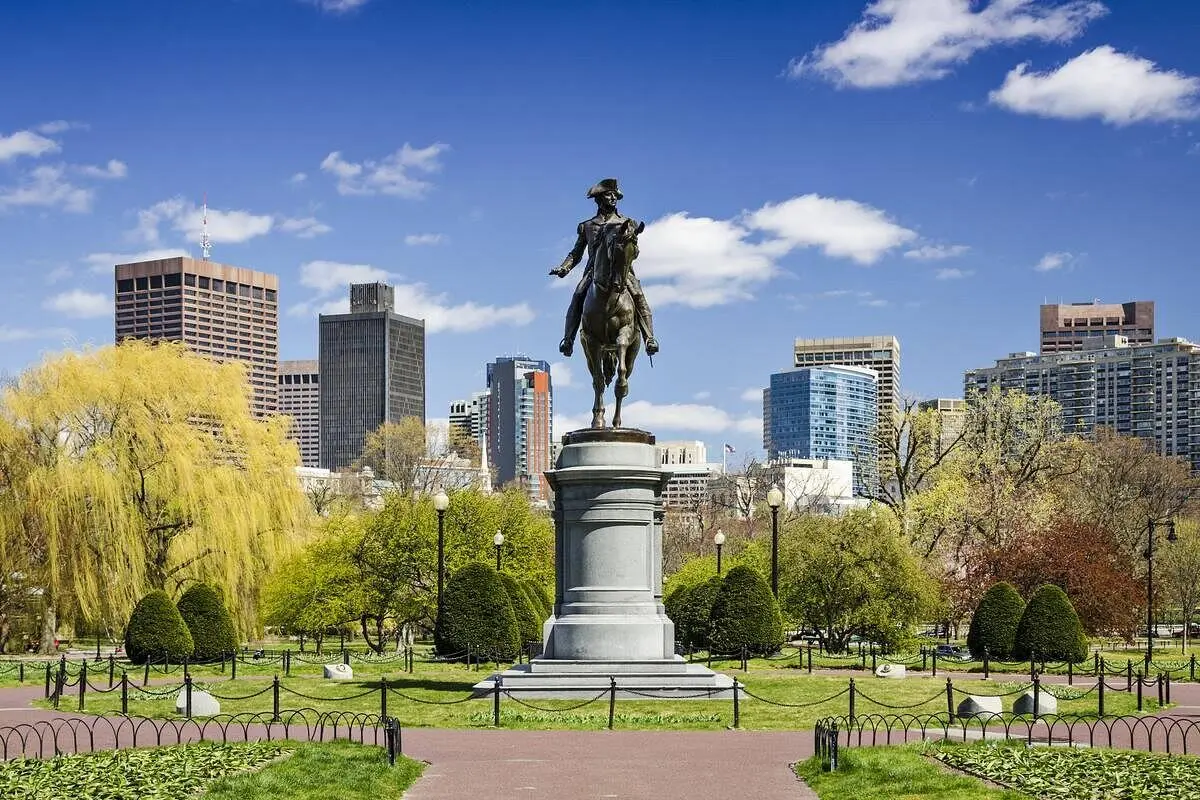
The morning begins where Boston exhales: on the green lungs of Boston Common, dew still clinging to the grass, church bells arguing softly with the rumble of the subway below. The red-brick line of the Freedom Trail tugs at your feet like a sentence that must be finished. On this private walk—just your group and your guide—the city starts talking. Granary Burying Ground’s stones tilt and whisper. The Old State House squares its shoulders, still proud under a skyline that grew impatient and taller. And the wind off the harbor keeps time, pushing you along, daring you to keep up with the centuries.

In four and a half hours, you’ll cover all 16 official stops, with a detour to North End’s Little Italy where espresso hums and cannoli shells crackle. This is the rare city walk that blends an urban ramble with true narrative momentum. The route is only about 2.5 miles end-to-end, but with detours for stories, lunch, and a waterfront loop, it moves like a short novel—digestible chapters, unmistakable arc. It’s a thorough immersion, best booked through the Freedom Trail & Little Italy - Private Walking Tour, which caps groups at 15 to keep the conversation crisp and the sidewalks manageable.

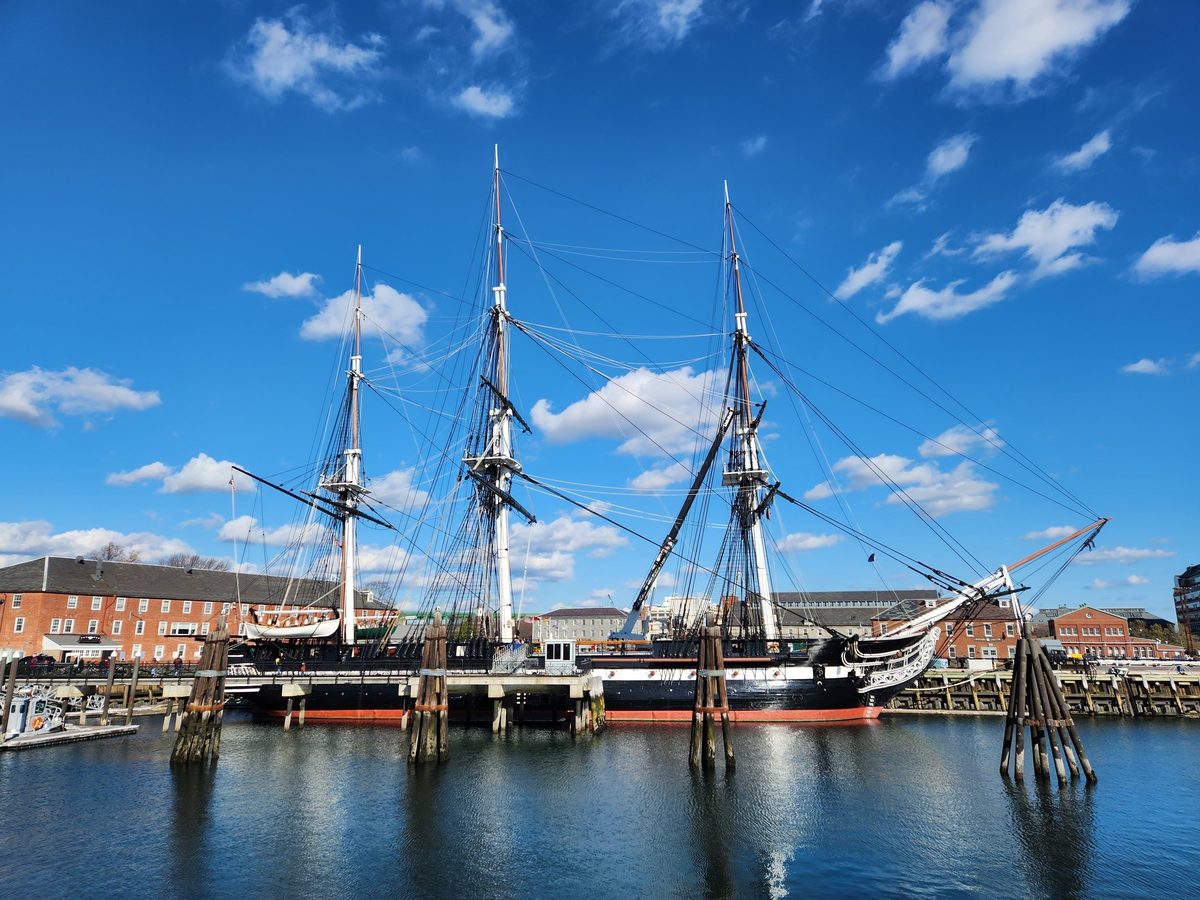
The trail’s DNA is stubbornly simple: a continuous red line set in brick or paint that threads through Boston’s oldest neighborhoods from Boston Common to the Bunker Hill Monument. That line felt radical when journalist William Schofield proposed it in 1951—an early act of urban storytelling—and it has since become one of America’s most effective open-air classrooms. You’ll walk from the Old South Meeting House, where tea trouble brewed, to the Old North Church, where two lanterns relayed a warning that changed the continent’s trajectory. On a clear day, the copper hull of the USS Constitution glows across the water at Charlestown Navy Yard, reminding you that “Old Ironsides,” launched in 1797, is still the world’s oldest commissioned warship afloat.

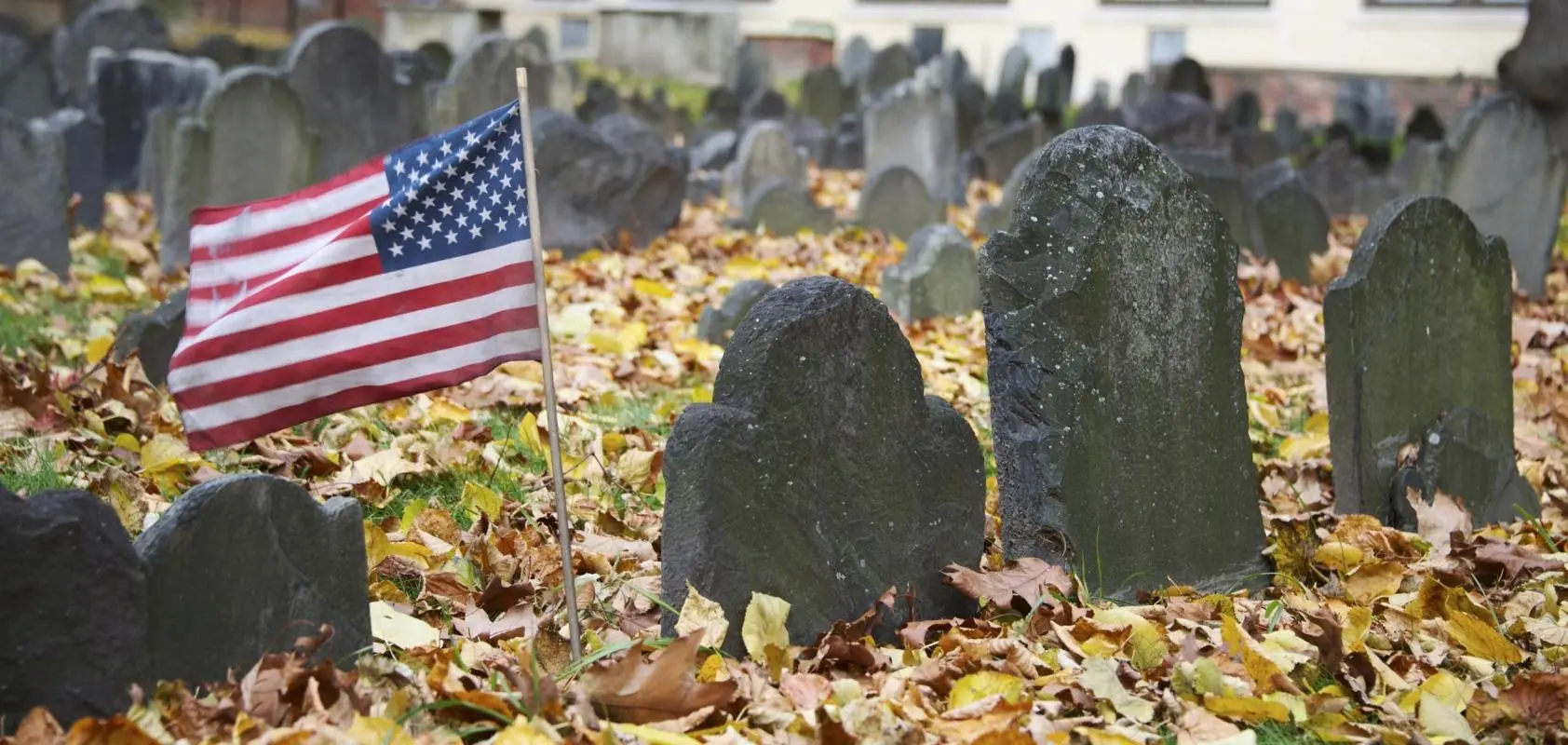
The pace is deliberate but unhurried. This isn’t a race; it’s a reintroduction. Your guide—a longtime local and passionate historian—unspools the city’s contradictions: liberty declared while enslaved people lived within earshot; fiery rhetoric cooled by New England pragmatism. In the burying grounds, the stones lean like old shoulders under weight they still carry. Names you know—Samuel Adams, Paul Revere, John Hancock—share space with artisans, printers, and everyday Bostonians who kept the city working while history took its bows.

Then the trail steps sideways. Into Little Italy you wander, where laundry lines once stitched one tenement to the next and the smell of simmering tomatoes still patrols the alleys. North End’s streets are tight, unapologetic; they move like a swarm, not a grid. This is where you’ll break for lunch—maybe in an artisanal market, maybe at America’s oldest continuously operating restaurant—before rejoining the red line. Bring an appetite; leave room for a gelato or a cannoli. This slight detour isn’t an interruption. It’s a thesis: that Boston isn’t a museum of its revolution but a city that kept evolving around it.

If you’re up for it, the ascent of the Bunker Hill Monument—294 steps in a granite spiral—sharpen things. Your legs complain. Your lungs negotiate. From the top, the skyline pulls close, river light scattering around it, and the past feels less like a set piece than an ongoing debate. On windy days, the harbor’s breath slips up the hill and slips under your jacket. It nudges you onward, toward the Constitution’s berth and a brief maritime interlude before the ferry whisk or easy walk back.

Urban walks reward attention. A hand-carved pineapple on a lintel hinting at hospitality. A weathervane shaped like a grasshopper (hello, Faneuil Hall) flicking directions to the harbor. The trail’s red line doesn’t just guide; it edits, cutting through the noise so you can listen. And because this is a private tour, you can dwell where curiosity spikes—linger beneath the Old North Church’s white steeple, trace the cobbles of the North End, ask the questions that make the trail personal. If you want to go deeper—or plan the day around specific stops—the private Freedom Trail tour format flexes to fit.

Practicalities keep this day easy. The route is mostly flat, paved, and broken into digestible sections with ample pauses and benches. Expect 3–4 miles of total walking over 4.5 hours, including time for lunch. Comfortable shoes matter. Weather shifts quickly off the harbor, so pack a layer even on bright days. Restrooms are available at visitor centers and some museums; your guide knows the reliable stops. Gratuities aren’t included, and while admissions aren’t required to follow the trail, some interior visits may have small fees. Bring a bottle you can refill, and plan to tap the city’s fountains instead of single-use plastics. If you like your history with espresso and your civic lessons with cannoli, book the Freedom Trail & Little Italy private walk and see how a simple red line can still deliver big stories.

By day’s end, the city’s tempo has moved into your stride. The Common’s trees stir as if satisfied, the harbor pushes light across the bridges, and brick glows with that late-afternoon burnish that Boston wears well. You’ll leave with a full notebook, a few crumbs of powdered sugar on your sleeve, and a firmer grasp on the idea that freedom wasn’t an event here—it’s a practice, one you walk into step by step.
Duration4–5 hours
Plan your visit

Trail Wisdom

Start hydrated, stay nimble

Carry a refillable bottle; reliable refill spots are at Boston Common Visitor Center and near Faneuil Hall.

Footwear beats fashion

Pavement, cobbles, and a possible 294-step climb at Bunker Hill reward cushioned walking shoes with good grip.

Time your treats

Hit North End bakeries just before lunch to skip the longest lines; bring a small cash reserve for quick-service spots.

Respect the stones

In historic burying grounds, stay on paths and never touch fragile headstones—the oils on hands speed deterioration.

Local Knowledge

Hidden Gems

  • St. Leonard’s Peace Garden, a quiet green nook steps from Hanover Street
  • The Skinny House on Hull Street, Boston’s narrowest home, best viewed from Copp’s Hill side

Wildlife

Peregrine falcons near Custom House Tower, Red-tailed hawks over Boston Common

Conservation Note

Historic sites are fragile—stay on marked paths, photograph without touching headstones, and support preservation by packing out all trash.

The Freedom Trail was conceived in 1951 and fully marked by the early 1950s, connecting 16 Revolutionary-era sites with a simple red line.

Seasonal Guide

spring

Best for:Mild temperatures, Blooming parks
Challenges:Rain showers, Variable wind off the harbor

Spring brings cool, comfortable walking weather and lighter crowds, though showers and breezes mean layers and a compact umbrella help.

summer

Best for:Long daylight, Festive street life
Challenges:Heat and humidity, Crowds at popular stops

Summer is lively and bright; start early, hydrate often, and plan for shade breaks in parks and churches.

fall

Best for:Crisp air, Fall foliage in city parks
Challenges:Busy weekends, Cool evenings

Autumn is prime time: colorful trees, comfortable temps, and clear skies make the views from Charlestown shine.

winter

Best for:Quiet streets, Museum time without lines
Challenges:Cold, icy patches, Short daylight

Winter walkers get elbow room; dress in warm layers and watch for slick spots on cobblestones.

Photographer's Notes

Go wide at Boston Common at golden hour and use leading lines of brick to guide the eye. A 35mm or 24–70mm lens handles tight North End streets; a polarizer tames glare along the waterfront. Frame the Old North Church steeple through alleyways, and if you climb Bunker Hill, bracket exposures for the skyline. Indoors, bump ISO to 800–1600 and steady against doorframes instead of using flash.

What to Bring

Supportive walking shoes

Essential

Pavement, brick, and cobbles demand cushioning and traction for a 4.5-hour urban walk.

Lightweight layer or packable jacket

Essential

Harbor breezes shift quickly; a layer keeps you comfortable between sun and shade.

Refillable water bottle

Essential

Avoid single-use plastics and stay hydrated using public fountains and visitor centers.

○

Sun protection (hat and SPF)

Open plazas and waterfront stretches reflect light; protect skin during longer summer outings.

Common Questions

How far is the walk and how fast is the pace?

Expect roughly 3–4 total miles over 4.5 hours, including stops for stories and lunch. The pace is leisurely and family-friendly.

Is the tour accessible for strollers or wheelchairs?

Most of the route is paved and relatively flat, but some historic interiors and cobbled sections can be challenging. Ask in advance to tailor the route for accessibility.

Do we climb the Bunker Hill Monument?

The 294-step climb is optional and depends on time, interest, and any temporary closures. Your guide will advise the day of the tour.

Are food and admissions included?

No. The tour covers guiding services only. Lunch and any optional interior admissions are paid separately on-site.

Can kids join?

Yes. The stories are engaging for school-age kids, and breaks are built in. Bring snacks and water to keep energy steady.

Should we tip the guide?

Gratuities are not included and are appreciated for great service at your discretion.

What to Pack

Supportive walking shoes for cobbles and long sidewalks; a light layer for harbor breezes; a refillable water bottle to stay hydrated between stops; small cash/card stash for quick bites in Little Italy.

Did You Know

USS Constitution, docked at the Charlestown Navy Yard on the Freedom Trail, is the world’s oldest commissioned warship still afloat, launched in 1797.

Quick Travel Tips

Start early to beat crowds at Old North Church and Faneuil Hall; book weekday tours for quieter streets; use the T (Park Street) to begin and the Charlestown Ferry or T to return; check site hours if you want to enter specific interiors.

Local Flavor

After your walk, head to Caffè Vittoria for a classic espresso, then split a margherita at Regina Pizzeria or a bowl of chowder at Union Oyster House. If you’re lingering in the North End, try modern trattorias tucked on side streets—Hanover draws crowds, but Salem and Prince Streets hide excellent, low-key options. Cap it with a cannoli from Modern Pastry or Mike’s and a local pint near the Greenway.

Logistics Snapshot

Closest airport: Boston Logan International (BOS). Trailhead: Boston Common Visitor Center (139 Tremont St). Driving: 10–15 minutes from most downtown hotels; garages near Boston Common. Cell service: Strong throughout, with occasional dead spots indoors. Permits: None required to walk the trail; some interiors have small admission fees.

Sustainability Note

These historic sites are irreplaceable. Stay on paths in burying grounds, avoid touching gravestones, refill water instead of buying plastic bottles, and support preservation by patronizing local vendors who steward the city’s heritage.

Topics