You step off the subway and the city seems to rearrange itself around a single choreographed gesture: flags snapping above a row of Corinthian columns, a brass plaque that has watched market cycles and revolutions, and the slow, purposeful shuffle of commuters moving as if they were synched to the tick of a ticker tape. This is the New York Stock Exchange, a stone-faced institution at 11 Wall Street that still reads like a civic ritual. It’s not about entering a marble foyer so much as feeling the gravity of a place where modern finance learned its voice.
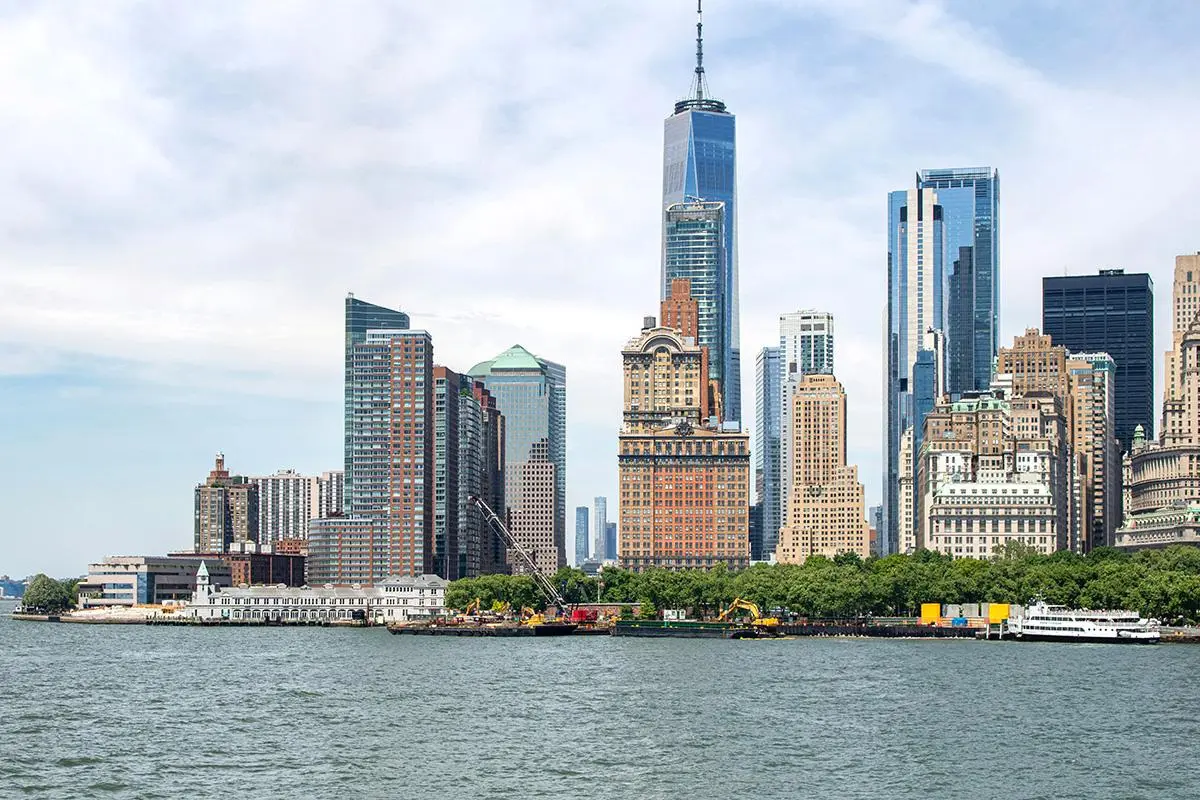
Lower Manhattan is compact but dense with stories. Walk east from the Stock Exchange and you hit Trinity Church, where revolution-era graves and reverent quiet contrast with the hum of the Financial District. Turn south and the churn of ferries frames Battery Park and the distant silhouette of the Statue of Liberty. Between those points, the neighborhood folds history into its pavement: the Buttonwood Agreement of 1792 that seeded organized trading, cobbled lanes like Stone Street that still house pubs and lunchtime crowds, and modern icons—the Oculus and the reflection pools at the 9/11 Memorial—that speak to resilience and reinvention.
Geology and urban design have shaped the way Lower Manhattan evolved. The bedrock allowed for narrow streets and tall towers; the harbor turned the area into North America’s busiest trading hub. The NYSE itself is a palimpsest: its current Greek-revival façade, dominated by those columns and Bernini-worthy pediments, dates to the early 20th century, but the market’s origins stretch back to traders under the Buttonwood tree on Wall Street. That institutional continuity gives the place weight without pretense. Here, the past and present are conversational—one corner tells the story of merchant ships and Dutch settlers, the next, of hedge funds and high-frequency algorithms.
Much of the best way to experience the NYSE is on foot. Guided walking tours—two- to three-hour itineraries that pass Wall Street, Federal Hall, the Charging Bull, St. Paul’s Chapel, and the 9/11 Memorial—pack context into a rhythm you can hold in your chest. Guides recount the human stories behind economic history: the Occupy Wall Street encampment in 2011, the shockwaves of the 2008 financial crisis, and the quiet, persistent rituals of traders who have adapted to electronic markets while keeping the Exchange as a symbolic heart.
For photographers and curious travelers, timing matters. Early morning light cuts sharp down the canyons of skyscrapers; late afternoon paints façades in warm tones and softens the crowds. Security is real here—many tours pause at the NYSE façade rather than through an interior visit, and there are checkpoints around certain parts of the Financial District—so plan for brief delays. The trading floor is not generally open to casual visitors, but the story is in the streets: Federal Hall, where George Washington took an oath; the Charging Bull, and the quieter, older pleasures of Stone Street’s taverns.
If you’ve got a full day, combine a Lower Manhattan walking tour with a ferry ride to Liberty Island and Ellis Island or a visit to One World Observatory for a skyline panorama. Many curated experiences fold in the 9/11 Museum for added context; others offer a ‘hidden gems’ route through the South Street Seaport and the Elevated Acre—an intimate pocket park with surprising views.
Practical edge: expect flat, paved walking with minimal elevation gain—this is urban terrain but not gentle if you try to cram too many stops into one morning. Most organized tours last 2–3 hours and cover 1.5–3 miles at a measured pace. Dress for walking: comfy shoes, layers for wind off the harbor, and a small pack for water and a camera. Hydrate; public water fountains are sparse. Bring a power bank—the cascade of photos and navigation eats battery fast. And above all, be mindful at the memorial sites: quiet observation is the local custom.
Lower Manhattan’s food and neighborhood culture are part of the experience. After a tour, slip into one of Stone Street’s restaurants for a drink, try a classic New York deli sandwich, or pick up seafood near the Seaport. The Financial District hums in the weekday rush and softens on weekends, when local markets and quieter plazas invite lingering.
Why go? The NYSE isn’t just a building. It’s a doorway into narratives about risk, innovation, and the making of a global city. A guided walk here turns columns and sculptures into characters; it frames complex history in human terms. Whether you’re a casual traveler curious about American institutions, a history buff tracing centuries of commerce, or a photographer chasing light and detail in the urban canyon, Lower Manhattan delivers concentrated, navigable stories that reward attention.
For planning: book an early tour to avoid crowds and to hear your guide rather than the midday noise. Combine visits logically—Battery Park and the Statue of Liberty in the morning, Lower Manhattan walking tour mid-morning, museum or observatory in the afternoon. And remember: the best moments here are the quiet ones—standing before the 9/11 pools, noticing the weathered letters of an old façade, or watching a commuter pause to read a plaque. Those small, human pauses are where the place reveals itself.