Book Morning Departures
Winds and chop are typically lighter in the morning, and wildlife activity often peaks before the heat sets in.
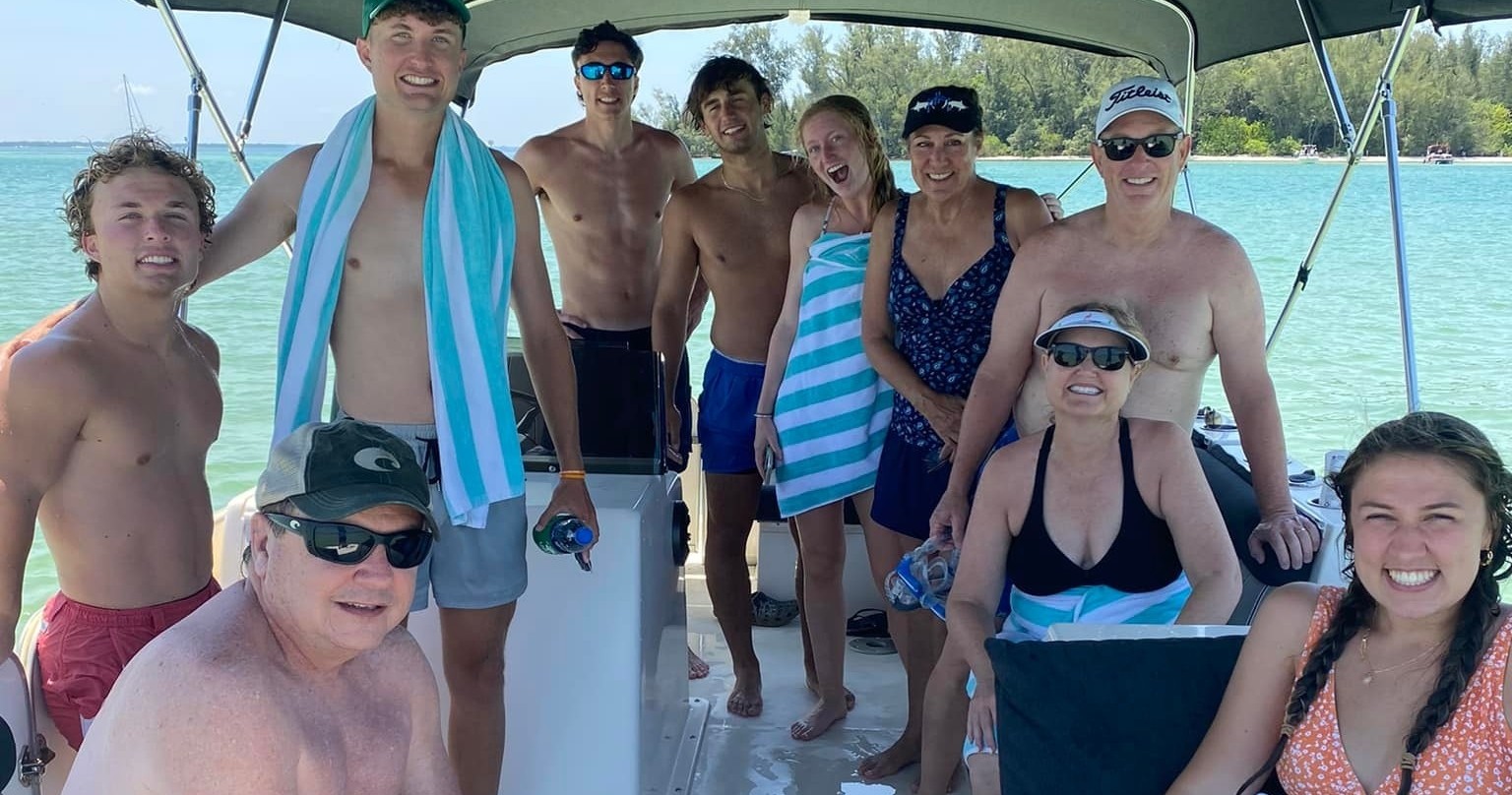
Small-group, captain-led wildlife watching in the protected waters of North Sarasota Bay.
The Intracoastal is glassy at first light, the kind of quiet that makes you whisper even though there’s no one else around. Pelicans idle on dock pilings, shoulders hunched like old fishermen. A master captain uncoils a line, the boat noses into North Sarasota Bay, and the water—confident as ever—pushes forward. Then a dorsal fin cuts the surface, quick as punctuation. A resident bottlenose dolphin arcs, exhales, and disappears, as if daring you to pay closer attention to this living, breathing estuary.
Winds and chop are typically lighter in the morning, and wildlife activity often peaks before the heat sets in.
Polarized sunglasses and a brimmed hat cut surface glare so you can spot dolphins and turtles beneath the water.
Follow captain guidance and keep 50 yards from dolphins—letting them choose the interaction keeps behavior natural.
Use a dry bag and wrist lanyard; quick movements on deck and a curious splash can end a phone’s day fast.
Bottlenose dolphin, West Indian manatee
Sarasota Bay’s seagrass flats are fragile—avoid litter, use reef-safe sunscreen, and follow NOAA guidelines to keep 50 yards from dolphins.
Comfortable temperatures and clear water make spring a sweet spot. Bring a light jacket for the ride back if winds pick up.
Start early to beat the heat and dodgy afternoon squalls. Hydrate well and use reef-safe sunscreen to protect the bay.
A quieter shoulder season with glassy days. Keep an eye on storm forecasts and bring a light layer for passing showers.
Clear, dry air makes for excellent visibility. Pack a windbreaker—breeze over the water can feel cooler than onshore.
Shoot in burst mode to catch surfacing dolphins; a shutter speed of 1/1000 sec helps freeze action. Use a circular polarizer to cut glare and reveal detail beneath the surface. Position yourself down-sun so animals are front-lit, and pre-focus where dolphins are moving to shorten lag. Keep gear in a small dry bag and use a wrist strap on your phone.
They cut glare, making it easier to spot dolphin fins and turtles just below the surface.
Protects your skin and helps keep chemicals out of the bay’s sensitive waters.
A thin layer takes the edge off breezes during shoulder seasons and winter.
Safeguards phones, cameras, and keys from spray and the occasional splash.