Hydrate Early and Often
Aspen sits near 8,000 feet; even an easy hike can feel tougher without water. Carry at least 1 liter and sip regularly.
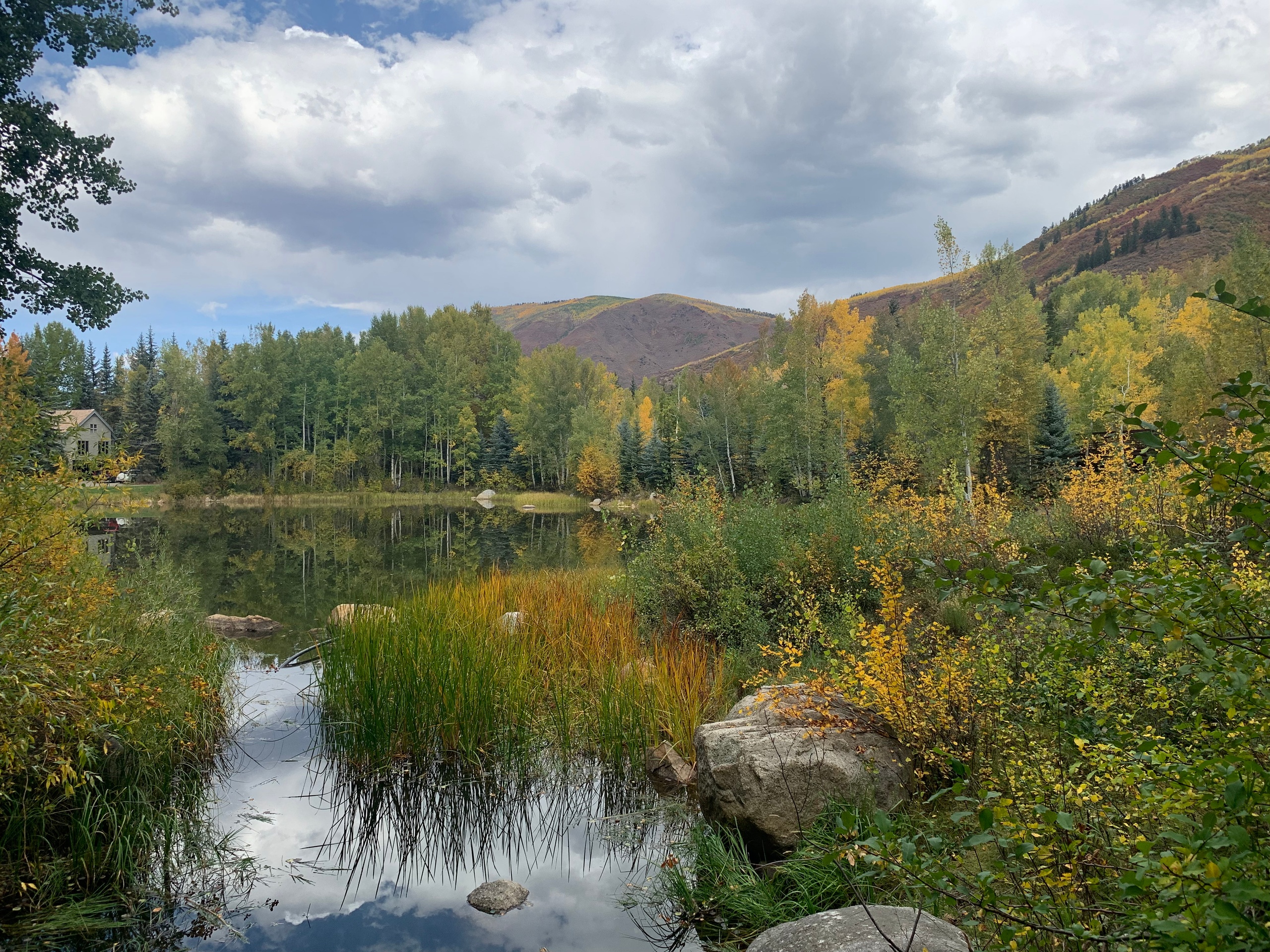
A creekside ramble where Aspen’s neighborhoods fade into willow, water, and easy miles.
The Roaring Fork speaks first—low and steady, a river clearing its throat as Aspen rubs sleep from its eyes. Cottonwoods flutter like pages turning, and the path pulls you east, past tidy porches and old miner’s cottages, toward the hush where neighborhoods yield to willow and water. This is the kind of outing that doesn’t demand heroics. It asks you to match its pace. Two hours. Two miles. A ribbon of trail that keeps one hand on town and the other in the creek.
Aspen sits near 8,000 feet; even an easy hike can feel tougher without water. Carry at least 1 liter and sip regularly.
Sections along lower Hunter Creek have roots and slick rocks—use deliberate foot placement, especially after rain.
Shade comes and goes; high-elevation sun burns fast. Reapply SPF and wear a brimmed hat.
The best creek views are from the wooden spans—stop for photos and to spot American dippers in the froth.
Mule deer, American dipper
You’re in the Roaring Fork watershed—stay on established paths to protect riparian plants and pack out everything you bring.
Expect cool mornings, wet tread, and lively flows that animate the creek. Layers and traction help.
Lush banks and steady shade make this route a heat-beater. Start early to avoid storms and crowds.
Gold-lit trees frame the creek and views pop. Bring a warm layer and catch the early light.
With proper traction and layers, winter walks can be serene, but expect icy patches and colder air near the water.
Go early for low-angle light on aspen trunks and creek riffles. A circular polarizer cuts glare and deepens water tones. Try 1/4–1/2 second exposures with a mini tripod to blur the current; switch to fast shutter speeds to freeze dippers mid-dive. Frame bridges and path curves to lead the eye, and watch for backlit leaves in fall.
Good traction helps on rooty or damp sections along the creek.
High-elevation dryness means you’ll need more water than you think.
The high-altitude sun can be intense even on cool days.
Mountain weather shifts quickly; a light shell covers surprise breezes and showers.