Saltmarsh Serenade: A Marine Biologist–Guided Wildlife Cruise in Charleston Harbor

Saltmarsh Serenade: A Marine Biologist–Guided Wildlife Cruise in Charleston Harbor

Guided by a marine biologist, this small-boat safari explores dolphins, pelicans, and the Lowcountry’s working tides.

Continue Reading

The first light comes in quietly over Charleston Harbor, a soft pink wash that slides across the water as if the tide were painting it. The boat idles near the mouth of the Ashley, bow pointed toward the low silhouette of Fort Sumter. A pelican lifts from a channel marker, shakes off the night, and glides low—wingtips grazing a mirror that refuses to hold still. You feel the current nudge the hull, as if the harbor itself is itching to get going. Then a dorsal fin cleaves the surface, and the morning opens like a page. This is how a day begins when you ride with a marine biologist on a small-group wildlife tour of Charleston’s saltmarsh—a working classroom where tides dictate rhythm and life performs at eye level.

Duration2–6 hours
Trail Wisdom

Trail Wisdom

Dress for wind, not just sun

Even on warm days, a breeze over open water can chill—pack a light windbreaker and a brimmed hat.
Use a polarized lens

Polarized sunglasses and filters cut glare so you can spot dolphins and fish below the surface and capture cleaner photos.

Keep a respectful buffer

Follow your guide’s distances around birds and dolphins—disturbance can disrupt feeding and nesting.

Non-marking soles only

Wear deck-friendly, non-marking shoes for better grip and to protect the boat.

Local Knowledge

Local Knowledge

Hidden Gems

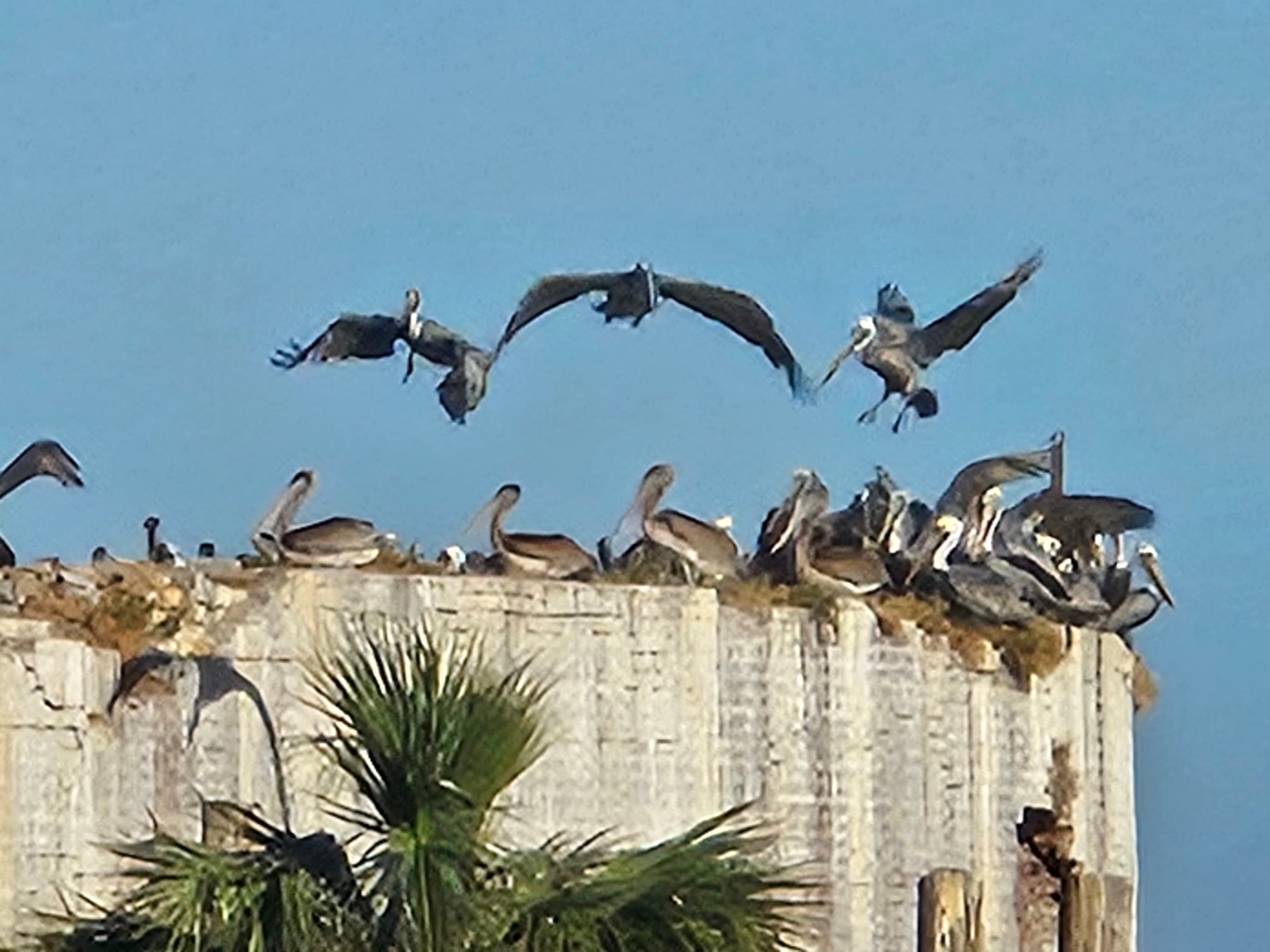
  • Shutes Folly Island’s Castle Pinckney—bird roosts and harbor views
  • Crab Bank Seabird Sanctuary—observe from a respectful distance by boat

Wildlife

Atlantic bottlenose dolphin, Brown pelican

Conservation Note

Crab Bank and nearby rookeries are critical nesting grounds—boat slowly, keep your distance, and never land on protected islands.

Charleston Harbor’s Fort Sumter witnessed the first shots of the Civil War in April 1861; nearby Castle Pinckney has guarded the harbor since the early 1800s.
Seasonal Guide

Seasonal Guide

spring

Best for:Active birdlife, Mild temperatures
Challenges:Occasional storms, Pollen in the air

Balanced tides and comfortable temps make spring excellent for wildlife viewing and photography.

summer

Best for:Early-morning dolphin activity, Long daylight hours
Challenges:Heat and humidity, Afternoon thunderstorms

Start early for calmer water and cooler temps; keep an eye on pop-up squalls.

fall

Best for:Migratory birds, Stable weather
Challenges:Variable wind shifts, Shortening days

Crisp air and clear light pair with peak migration for rewarding sightings.

winter

Best for:Clear air and visibility, Quiet waterways
Challenges:Chilly winds, Fewer departures

Bundle up—winter brings crisp light and fewer crowds, with steady dolphin presence.

Photographer's Notes

Photographer's Notes

Aim for golden hour departures for soft side-light on dolphins and birds. Use a polarizer to cut glare and deepen marsh tones. Keep shutter speeds above 1/1000 sec for flying birds; continuous AF and burst mode help with erratic motion. Compose with leading lines from creeks and dock pilings, and use the fort walls or Ravenel Bridge to anchor wide shots.

What to Bring

What to Bring

Polarized Sunglasses

Essential

Reduces glare off the water to spot wildlife and improves visibility for photography.

Light Windbreaker

Essential

Blocks breeze on open water and packs small when the sun heats up.

○

Binoculars (8x–10x)

Brings distant birds and dolphins into crisp view without crowding wildlife.

Non-Marking Deck Shoes

Essential

Grippy soles keep you steady on a wet deck and protect the boat’s finish.

Common Questions

Common Questions

What to Pack

What to Pack

Polarized sunglasses to cut glare and spot wildlife; lightweight windbreaker for the harbor breeze; water bottle and snacks to stay fueled; compact binoculars for bird and dolphin viewing without crowding.
Did You Know

Did You Know

Charleston Harbor’s Fort Sumter is where the first shots of the American Civil War were fired on April 12, 1861.
Quick Travel Tips

Quick Travel Tips

Arrive 15–20 minutes early to park, meet your guide, and review safety. Morning tours offer calmer water and better dolphin activity in summer. Bring a dry bag for phones and cameras. Tides shift conditions every few hours—trust your guide’s route changes.
Local Flavor

Local Flavor

Post-cruise, walk the Shem Creek Boardwalk and watch shrimp boats unload; grab peel-and-eat shrimp or she-crab soup at local docksides. For a classic Lowcountry roast, head to Bowens Island Restaurant. Sample craft beers at Holy City Brewing and pick up benne wafers downtown as a sweet, sesame-kissed souvenir.
Logistics Snapshot

Logistics Snapshot

Closest airportCharleston International (CHS), ~20 minutes to the harbor. Departure points vary around Charleston Harbor; most are 10–20 minutes from downtown. Cell service is generally strong near the city and waterways. No permits required for guests; follow captain’s instructions for safety and wildlife distances.
Sustainability Note

Sustainability Note

Saltmarshes are nurseries for 75% of coastal fish species—keep noise low, avoid wakes near shorelines, never feed wildlife, and follow NOAA marine mammal viewing guidelines. Pack out all trash and avoid landing on protected bird islands.
Topics

Topics