Zion at the Edge: Hiking, Canyoneering and Quiet Mornings in the Narrows

Zion at the Edge: Hiking, Canyoneering and Quiet Mornings in the Narrows

Red cliffs, river-throated slots, and hikes that ask for grit—how to experience Zion’s best routes with confidence.

Continue Reading

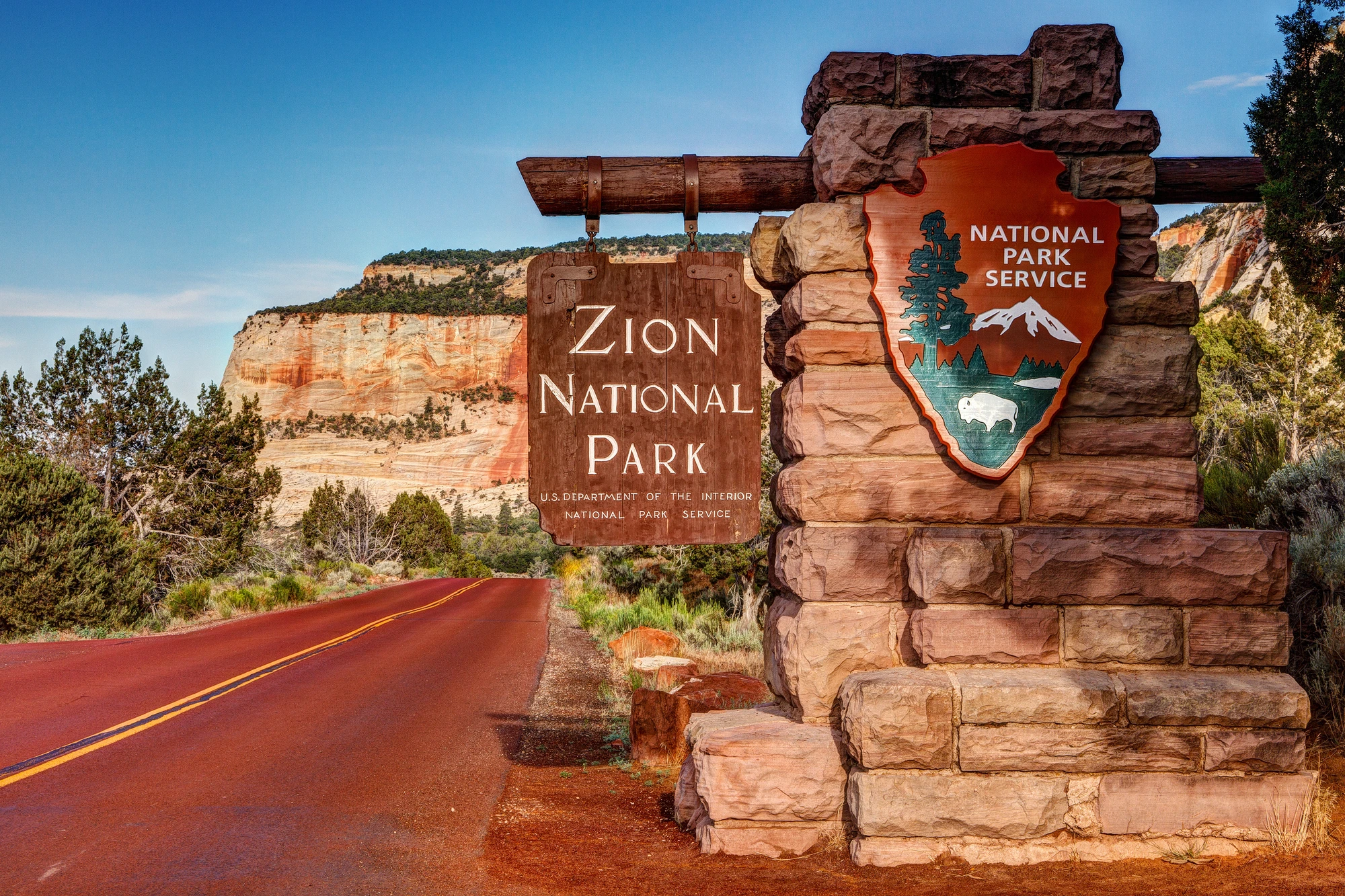
You emerge from the low scrub and desert heat onto a narrow slice of shade. Above you, a canyon throat has been cut so deep the cliffs hold the light back; below, a river threads a silver line. In Zion National Park, the landscape does most of the telling—red and white Navajo sandstone folded into walls that climb straight out of the canyon floor, trees clinging to cracks, and water working patiently through stone. At first light the canyon feels like a living map, the river daring you to move deeper.

Zion is one of those places that demands motion. Founded as a national park in 1919, the place has a layered history: ancestral Puebloan and Southern Paiute peoples who moved through and lived in the region for millennia, Mormon pioneer settlers who established nearby towns in the 19th century, and a century of visitors drawn by the park’s dramatic topography. The park’s unique geology—laterally bedded Navajo and Kayenta formations topped by harder cliffs—created the deep, steep-walled canyons that make Zion a playground for hikers, canyoneers, and climbers.

A Zion itinerary has options: knot your fingers around the chain-guarded ridge of Angels Landing, wade the river through The Narrows, or scan the canyon from Observation Point. Each route reveals a different character of Zion. Angels Landing is kinetic—short, exposed, and unforgettable: 5.4 miles round-trip with about 1,488 feet of elevation gain; once you pass the final switchbacks the trail narrows to a knife-edge of rock where chains are bolted into the cliff and every step matters. The Narrows is the opposite kind of commitment: a water hike where river shoes, a walking stick, and a willingness to get wet are essential. Hikers can go bottom-up from the Temple of Sinawava for as little as a mile or as far as they like—experienced through-hikers tackle the full 16-mile corridor from Chamberlain’s Ranch to the park’s main canyon with a permit.

Beyond the headline treks, Zion is a laboratory for technical adventure. Its slot canyons and slickrock attract canyoneers who rappel through narrows and set equal parts rope work and routefinding. Climbers test thin cracks and bold faces on the park’s sandstone walls; seasonal restrictions protect nesting raptors and fragile vegetation, so route planning should include checking current closures. For more straightforward immersion, the Zion Canyon Scenic Drive (shuttle-operated during high season) and the Pa'rus Path offer easy access to the canyon’s core and an up-close look at its layers.

Timing is as much of the plan as the trail. Spring and fall deliver the most comfortable weather, with cool mornings that warm into sunlit afternoons. Mid-summer can be intense—the low elevations bake under desert heat, while flash-flood risk spikes with monsoon storms. Winter drops the temperature and, depending on recent storms, brings ice to the switchbacks; the park feels quieter then, the cliffs stripped back to geometry.

Practicalities: permits and logistics shape real trips. Angels Landing and overnight canyons require permits (the National Park Service uses a permit or lottery system for crowd management and safety). The Narrows requires no permit for day hikes, but if you plan to do the through-hike from Chamberlain’s Ranch you’ll need one. Shuttles remove the headache of parking at the canyon’s main corridor during peak season; Springdale, the town that sits at Zion’s doorstep, acts as basecamp with lodging, outfitters, and dining.

Packing well in Zion pays off. For canyon walking bring quick-dry clothing, neoprene socks or river shoes, a wading staff, and a small dry bag. For exposed ridge hikes bring a helmet if you’re prone to scrambling, layered clothing for big temperature swings, plenty of water (and a filtration system if you’ll refill from natural sources), and a compact first-aid kit. Respect the elements: sandstone is fragile and boots that grind on ledges can accelerate erosion; pack out everything and stay on designated trails.

On any given day you’ll find different rhythms in Zion. Early mornings host the most wildlife—desert bighorn sheep pick their way along cliffs, and mule deer graze in the cottonwood-lined bottomlands. Midday, the canyon becomes a people magnet; late afternoon washes it in warm light and fewer crowds. If you want a quieter experience, time your hike for the shoulder seasons and start before sunrise.

Zion’s appeal is not only its vaulting sandstone but the relationship it encourages between the traveler and nature. The park asks you to move deliberately—step over slickrock, feel your boots find purchase on dusty switchbacks, let the river tug at your calves in The Narrows—and rewards you with vistas that recalibrate scale. It is an accessible place for varied abilities: families can choose flat trails that peer up at the cliffs; fit hikers can chase long ridge lines and steep summits; technical teams can find slots and cracks that require ropework.

No adventure here is truly solitary; the park is among America’s most visited. But with intent—early starts, permit planning, and a respect for backcountry rules—you can find rooms of solitude. Zion, in the end, is about the edges: the razor of a sandstone ridge, the slick river throat that compels you forward, and the slow, patient work of water shaping rock. It’s a canyon that invites you to test your limits and, if you let it, to come home quieter and a little more centered.

Duration2 hours to multi-day
Plan your visit

Trail Wisdom

Start before sunrise

Begin major hikes early to avoid heat, crowds, and afternoon winds—sunrise light also sharpens canyon textures for better footing.

Know the permit rules

Apply for Angels Landing and overnight canyoneering permits well in advance and check the NPS site for current closures.

Prepare for river hiking

For The Narrows bring neoprene socks, a sturdy wading staff, and a dry bag; expect ankle- to waist-deep water in places.

Layer and hydrate

Temperature swings are large—carry breathable layers and at least 2–3 liters of water per person for day hikes.

Local Knowledge

Hidden Gems

  • Cable Mountain Draw trail for fewer crowds and birdwatching
  • Pa'rus Path at dawn for cottonwoods, river views, and gentle walking

Wildlife

Desert bighorn sheep, Mule deer

Conservation Note

Zion manages visitor use with shuttle systems and permit limits to protect fragile ecosystems and reduce erosion; visitors are encouraged to stay on trails and pack out waste.

Named for its awe-inspiring canyons, Zion’s region was protected as a national park in 1919 after earlier designation as Mukuntuweap National Monument in 1909.

Seasonal Guide

spring

Best for:Wildflowers and cooler hiking, The Narrows lower flows, Crowd-thinning weekday visits
Challenges:Late snow/ice on high trails, Variable river flows after storms

Spring offers brisk mornings and blooming desert shrubs—ideal for longer hikes before hot days arrive.

summer

Best for:Long daylight for multi-day routes, Full water access for canyoneering, Evening photography
Challenges:High heat in low canyon areas, Monsoon-driven flash flood risk

Summer brings long days but carries heat and sudden storms—monitor forecasts and avoid slot canyons during monsoons.

fall

Best for:Stable weather and milder temperatures, Fewer crowds than summer, Excellent light for photography
Challenges:Shortening daylight hours, Cooler nights require warm layers

Fall is a top season—pleasant temps, crisp air, and excellent visibility make for comfortable trekking.

winter

Best for:Quiet trails and dramatic light, Opportunity for icy contrasts on cliffs, Lower visitor numbers
Challenges:Icy switchbacks and cold river water, Some services in Springdale may reduce hours

Winter delivers stark beauty and solitude but can bring ice; microspikes and caution on exposed sections are advised.

Photographer's Notes

Shoot early or late for warm light on the canyon walls; use a polarizer to reduce glare on the river; for The Narrows, protect gear with a dry bag and try low-angle compositions that lead the eye upstream.

What to Bring

Sturdy trail shoes or approach shoes

Essential

Good traction and support for slickrock, switchbacks, and short scrambles.

Watertight dry bag and neoprene socks

Essential

Necessary for The Narrows or any river-walking to keep clothing and electronics dry.

Lightweight layers and sun protection

Essential

Temperatures vary; sunhat, SPF, and breathable layers keep you comfortable.

Hiking poles or a wading staff

Essential

Improves stability on uneven terrain and in river currents through narrows.

Common Questions

Do I need a permit for Angels Landing?

Yes—Angels Landing requires a permit via the park’s lottery or seasonal allocation; check the NPS site for current procedures.

Is The Narrows suitable for beginners?

Day-hiking a short section bottom-up is accessible to fit beginners, but know that water depths, current, and footing vary; avoid during high water.

Can I drive into Zion Canyon year-round?

Private vehicles are restricted on the Zion Canyon Scenic Drive during high season; the park operates a shuttle system—outside shuttle dates you can drive yourself.

Are there places to camp in the park?

Yes—Watchman and South Campground are the main campgrounds (reservations recommended in peak season); backcountry camping requires a permit.

When is flash-flood season and how do I stay safe?

Monsoon season (mid-summer) brings the highest flash-flood risk—if storms are forecast, avoid slot canyons and narrow washes and heed park warnings.

Can I bring a dog on trails?

Pets are allowed on Pa'rus Path but are restricted from most backcountry trails, including The Narrows and Angels Landing; check NPS pet rules.

What to Pack

Sturdy trail shoes, water filtration or ample water, sun protection hat and SPF, dry bag for electronics—these cover traction, hydration, sun safety, and gear protection.

Did You Know

Zion National Park was designated a National Park in 1919; prior to that it was Mukuntuweap National Monument, designated by President Taft in 1909.

Quick Travel Tips

Reserve permits and campgrounds early; use the Zion shuttle during peak season; check river flow and weather before The Narrows; pack layers for temperature swings.

Local Flavor

Springdale provides the park’s gateway flavor—local guides, Southwestern-influenced eateries, and galleries that showcase Navajo and Paiute art alongside hiking outfitters.

Logistics Snapshot

Base in Springdale; obtain permits for Angels Landing and overnight canyons; shuttle the Zion Canyon Scenic Drive in peak season; water + sun protection are non-negotiable.

Sustainability Note

Stick to designated trails, pack out all trash, avoid trampling cryptobiotic soil, and use refill stations to reduce single-use plastics—these small actions protect fragile desert ecosystems.

Topics