Wilderness Landscape & Natural Heritage
The Lake Gruyère Biosphere Reserve is located primarily in the canton of Fribourg, Switzerland, encompassing the region around Lake Gruyère, an artificial reservoir formed by the Lac de la Gruyère dam on the Sarine River. The reserve is part of UNESCO's Man and the Biosphere Programme, with designated core, buffer, and transition zones aimed at conserving biodiversity and fostering sustainable development. The buffer areas are transitional zones where human activities are allowed but managed to support ecological conservation and cultural heritage.
Geographically, the area is characterized by rolling hills, mixed forests, farmlands, and wetlands along the lake shores. The aquatic environment of Lake Gruyère is important for several fish species, migratory birds, and amphibians, while the surrounding terrestrial habitats host deer, foxes, and a variety of birdlife including rare and protected species. Historically, the region was transformed by the construction of the dam in the mid-20th century, reshaping local landscapes and communities, while promoting hydroelectric energy development.
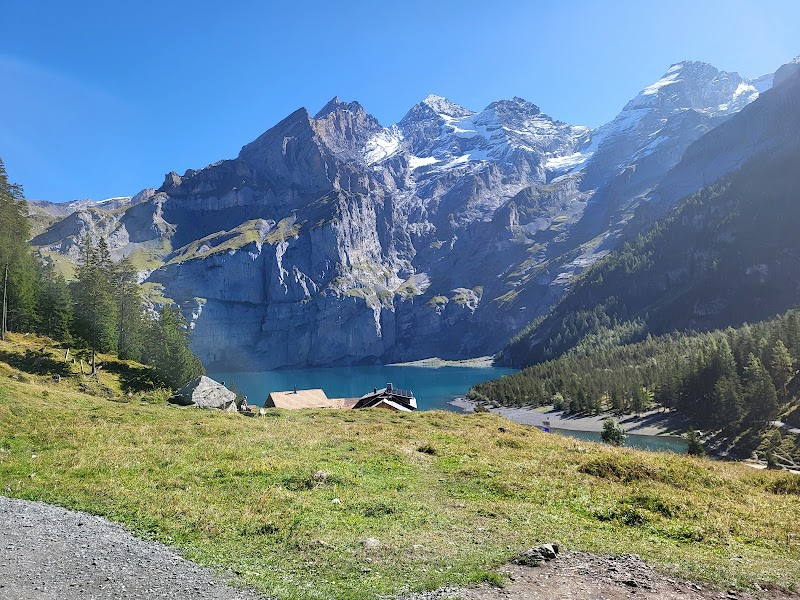
Outdoor recreation includes hiking on multi-use trails that offer scenic vistas of the lake and surrounding Jura Mountains, cycling routes that connect small villages, and opportunities for kayaking and fishing on the lake itself. Birdwatching is popular during migration seasons due to the variety of wetland habitats. The reserve also presents cultural points of interest such as traditional Swiss villages and historical sites linked to local agricultural practices.
Visitors find the mix of natural beauty and responsible land use an appealing setting for education, relaxation, and nature engagement. The UNESCO designation encourages visitors to respect local practices that balance human activity with nature conservation.