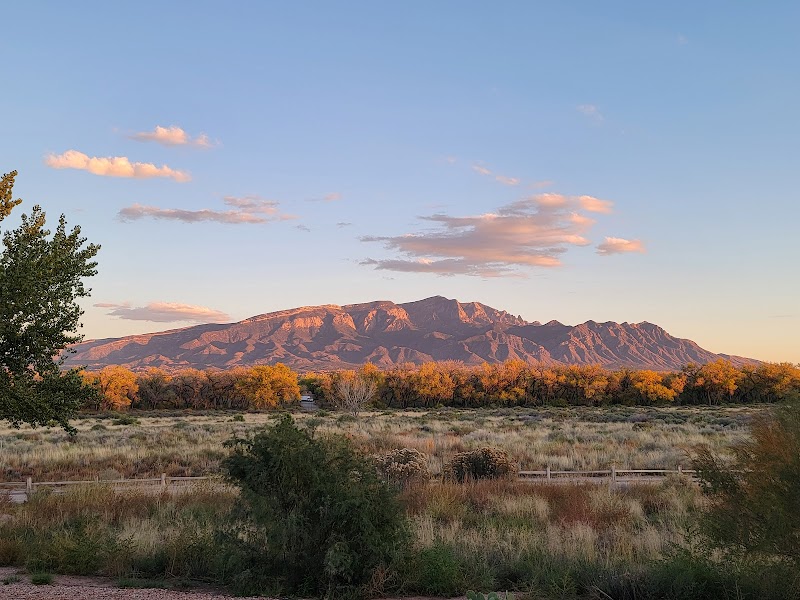
Wilderness Landscape & Natural Heritage
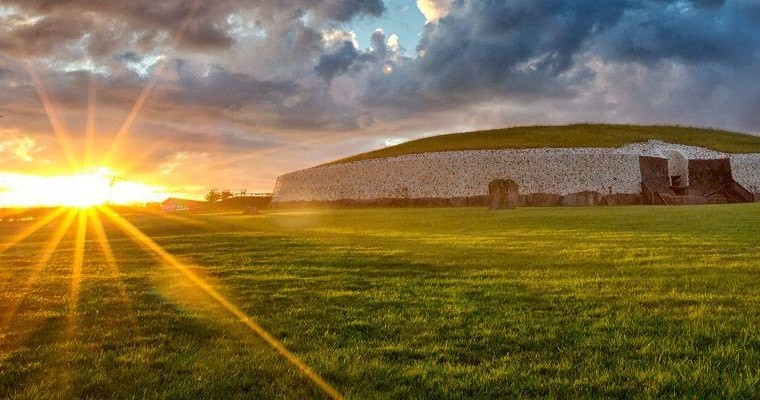
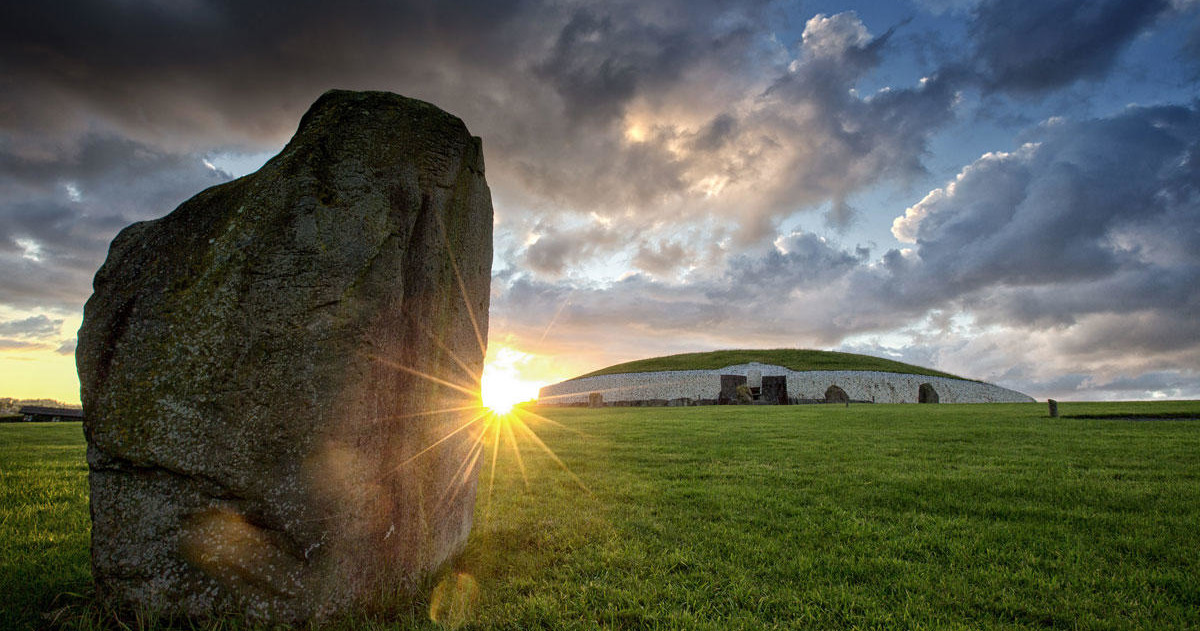
Located in County Meath, on the banks of the River Boyne in eastern Ireland, Brú na Bóinne is one of the world's most important archaeological complexes, designated a UNESCO World Heritage Site since 1993. This extensive protected area encompasses a rich landscape of ancient monuments, including the famed passage tombs of Newgrange, Knowth, and Dowth, dating back to around 3200 BCE—older than Stonehenge and the Egyptian pyramids. These passage tombs are renowned for their megalithic art, precise solar alignments, and intricate stone carvings. The River Boyne Valley's lush riverine environment supports a variety of native flora and fauna, providing a tranquil setting that blends cultural heritage and natural beauty. Key recreation opportunities include guided tours of the tombs, walking trails along the riverbanks, birdwatching, and photography, with interpretation centers offering educational exhibits on the site's archaeology and prehistoric life. While the site is primarily valued for its archaeological significance, visitors are drawn to the mystical atmosphere created by these ancient structures within a pastoral Irish landscape. Accessibility from Dublin makes Brú na Bóinne a popular day trip destination or cultural getaway. Preservation efforts balance public access with protecting these fragile monuments and their surrounding environment.