Antarctic Treaty System wilderness guide
International Agreement · N/A
Hiking Guide

Antarctic Treaty System

The Antarctic Treaty System is a pioneering international agreement dedicated to preserving the continent of Antarctica for peaceful and scientific purposes. It uniquely balances environmental protection with international collaboration.

International Agreement3,500,000,0001+ Trails

Designation

International Agreement

Total Wilderness Area

3,500,000,000

Elevation / Terrain

Diverse Wilderness

Field Editorial Guide

About Antarctic Treaty System

The Antarctic Treaty System is a pioneering international agreement dedicated to preserving the continent of Antarctica for peaceful and scientific purposes. It uniquely balances environmental protection with international collaboration.

Wilderness Landscape & Natural Heritage

The Antarctic Treaty System (ATS) was established in 1959 and came into force in 1961. It comprises the original treaty and related agreements which are collectively known as the Antarctic Treaty System. The treaty sets aside Antarctica as a scientific preserve, establishes freedom of scientific investigation, and bans military activity on the continent. Covering over 5.4 million square miles, the ATS establishes that Antarctica is a natural reserve, dedicated to peace and science. Its protections extend to the entire continent, ensuring that research rather than exploitation guides human activity. The governance under the treaty prohibits nuclear explosions and the disposal of radioactive waste in Antarctica. Moreover, it provides a framework for the management of the continent that includes environmental protection, conservation of flora and fauna, and careful regulation of human presence and activities. Renowned for its unique wildlife, including penguins, seals, and diverse marine life, the continent offers unparalleled opportunities for scientific research in climatology, glaciology, and biology. The treaty allows for the establishment of research stations but strictly controls tourism and other logistical activities, ensuring minimal ecological impact.

Field Guide · International Agreement

Notable Landscape Features

Iconic geological landmarks, alpine vantage points, and distinctive ecosystems in Antarctic Treaty System.

Feature 1

Mount Erebus

Active volcano providing rare geological insights.

Feature 2

McMurdo Station

The largest research station in Antarctica, mainly operated by the United States.

Feature 3

Polar Ice Caps

Vast ice covers that are crucial for climate science and environmental study.

Key Wilderness Highlights

Research Stations: Hubs of global scientific research across diverse disciplines.Unique Wildlife: Home to species like Emperor Penguins and Weddell Seals.Ice Shelves: Vast floating ice formations such as the Ross and Ronne Ice Shelves.Southern Ocean: Waters that are vital to global oceanic and climate systems.
Iconic Trails & Natural Landmarks

Top Trails & Sights in Antarctic Treaty System

Discover summit paths, alpine loops, and natural wonders within this protected wilderness.

Moderate3 miles

Observation Hill Trail

Offers panoramic views of the McMurdo Station and surrounding ice scape.

Wilderness Recreation

Outdoor Adventures in Antarctic Treaty System

Explore curated guides for top outdoor sports, trail networks, and wilderness activities.

Activity Spotlight

Hiking in Antarctic Treaty System

View Full Park Guide

Antarctic Treaty System offers exceptional terrain and routes for hiking, featuring established access paths, scenic vistas, and protected wilderness territory.

Other Activities in Antarctic Treaty System:Wildlife ViewingPhotographyScientific Research
Explore Guide →

Hiking

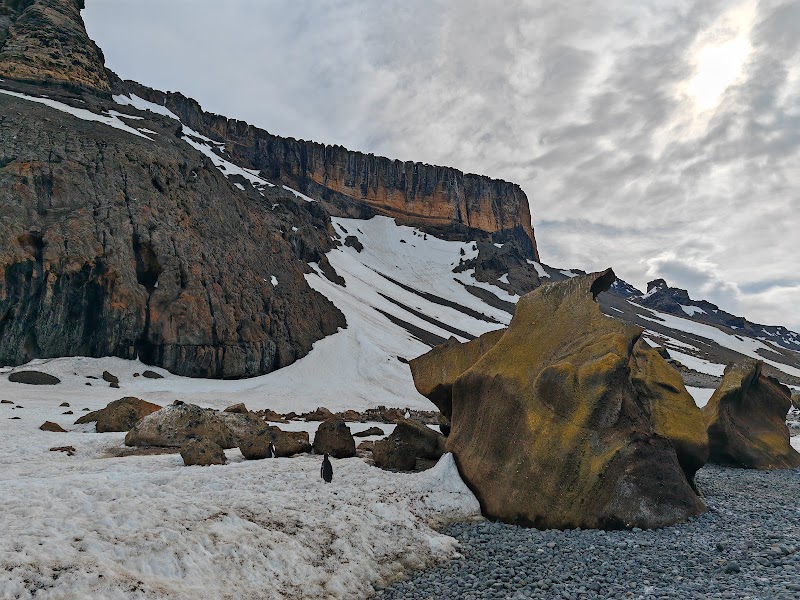
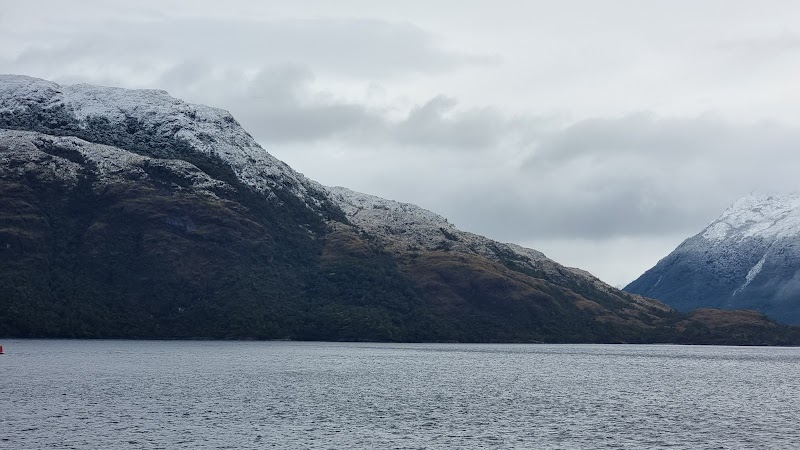
# A Journey Through the Heart of the Antarctic Treaty System: Exploring the Last Great Wilderness Imagine embarking on a voyage to the southernmost reaches of our planet, an unyielding expanse of ice and mystery known as Antarctica. Here, amidst towering glaciers and sprawling ice fields, lies an extraordinary story—the Antarctic Treaty System. This remarkable agreement, forged amidst the backdrop of the Cold War, means that this pristine land is preserved for peace and scientific inquiry, untouched by military ambitions or territorial disputes. As you prepare to explore not just the ice underfoot, but the very principles that guide the stewardship of this wilderness, understand that the Antarctic Treaty System is more than legal jargon; it's a manifesto of collective responsibility. With its inception in 1959, a coalition of nations embarked on a monumental endeavor to ensure that this fragile ecosystem remains safeguarded for generations to come. Their collective voice, echoing in the robust agreements that form the treaty, champions the cause of cooperation in scientific research and environmental protection. For adventurers drawn to this remote destination, the promise of infinite horizons comes with a practical edge. Crafting a successful journey in Antarctica requires meticulous planning and preparation. Tall tales of adventure aside, the realities of this rugged environment demand respect and readiness. Begin your expedition by understanding the logistics. Most trips will be organized through experienced operators, often embarking from Ushuaia, Argentina, on the southern tip of South America. The journey across the Drake Passage is not for the faint-hearted, crossing a sea renowned for its rugged conditions. However, as the boat approaches the icy continent, prepare to be awestruck—massive icebergs bob in frosty waters, each one a unique work of art, sculpted by nature. Opt for an expedition that balances adventure with education, as these tours typically include expert guides who can explain the significance of the treaty system and its implications for conservation. As you step onto the white continent, every crunch of snow beneath your boots whispers stories of the scientists who have worked tirelessly to unlock the secrets of climate history contained within the ice. Timing your visit is crucial. The Antarctic summer runs from November to March, offering the warmest conditions for exploration. Dress in layers and ensure that your gear includes waterproof boots, thermal layers, and windproof jackets, as the weather can shift unexpectedly. Hydration is vital; the dry air can be deceivingly thirst-inducing. Always pack enough water or means to purify ice. As you venture forth, the vistas are nothing short of awe-inspiring. Imagine towering peaks stretched across the horizon, punctuated by the occasional feeding seal or the majestic glide of penguins. The air is crisp, invigorating, and imbued with a sense of pristine peace that seems to quiet even your thoughts. The vastness of the landscape can feel overwhelming, yet it also invites introspection; here, civilization feels distant, and the whispers of scientific discovery resonate louder than ever. Keep your eyes peeled for the effects of climate change on this untouched expanse. Ice shelves are rapidly retreating, a pressing reminder of the challenges faced across the globe. By witnessing these changes firsthand, adventurers are not only participants in the beauty of this land but also guardians of its conservation story. Your experience in Antarctica shouldn't just be a fleeting visit to a land of ice. Instead, let it foster a sense of wonder, a call to arm you with knowledge about global stewardship. Engage with fellow explorers, share stories, and discuss the vital role of international cooperation enshrined in the Antarctic Treaty System—it's a narrative as rich as the landscape itself. So, equip yourself with the knowledge and tools you need, and set out on this journey of not just exploration, but understanding. As you traverse this last great wilderness, let Antarctica’s icy expanse teach you about resilience, conservation, and the importance of harmony with nature. Together, we can advocate for a future where such places remain pristine—forever awe-inspiring, forever wild.
View Hiking Guide
Explore Guide →

Wildlife Viewing

# Discovering the Wonders of Antarctica's Unyielding Wilderness Under the Antarctic Treaty System As you gear up for the journey of a lifetime, envision the breathtaking expanse of Antarctica—an untouched realm where nature reigns supreme, and wildlife flourishes in ways that can only be described as extraordinary. Governed by the Antarctic Treaty System, this continent stands as a testament to international cooperation and conservation, protecting its fragile ecosystems while ensuring that adventurers can witness its splendor without compromising its integrity. Setting foot on the world's southernmost continent is an adventure like no other. Imagine the crisp, invigorating air filling your lungs, mingling with the scent of ice and snow as you traverse the stark landscape. Your path may lead you over glistening glaciers that crack and creak underfoot, or across vast, sweeping plains where the sheer expanse of white meets the horizon, punctuated only by the occasional blue ice formation. The terrain is both exhilarating and demanding, requiring sturdy boots and a sense of determination as you embark on this unique exploration. Wildlife viewing in Antarctica is not merely an activity; it's an encounter with nature's finest marvels. Picture yourself standing on the edge of an icy overlook, eyes wide as a group of majestic emperor penguins waddle confidently across the ice. Their playful antics offer a reminder of the joy that thrives even in the harshest climates. Depending on the season, you could also catch a glimpse of the graceful orca slicing through the frigid waters, or the formidable leopard seal lounging on broken ice floes, their sleek bodies glistening under the relentless sun. Before embarking on this grand expedition, there are practical matters to consider that can elevate your adventure while respecting the ecosystem. Start by evaluating the season; the Antarctic summer (November to March) is when wildlife activity peaks. Make sure to book an expedition with operators who adhere strictly to the guidelines set by the Antarctic Treaty System—this ensures that your exploration supports conservation efforts and minimizes your impact on the delicate environment. When planning your wildlife viewing adventures, prioritize your gear. Thermal layers are paramount, as the temperatures can fluctuate dramatically, even in summer. Waterproof boots are essential, especially when navigating slushy paths or hopping between melting snow and ice. Binoculars will become your best friend, enabling you to observe wildlife from a respectful distance without disturbing their natural behaviors. As you journey deeper into this frozen wilderness, be prepared for the rewarding moments that await—perhaps a captivating sight of a mother whale surfacing with her calf nearby or an exhilarating encounter with a flock of seabirds soaring overhead. Each experience will etch itself into your memory, reminding you not only of the beauty that exists in remote corners of the globe but also of the responsibility that comes with witnessing such wonders. Hydration is vital in these terrains. Carry water bottles that can withstand freezing temperatures, and remember that melting snow can be a source of hydration—just ensure you bring a purification system along to avoid any harmful contaminants. Fuel your body with high-energy snacks, as your excursions may lead you through rigorous treks and unpredictable weather. The Antarctic Treaty System ensures that future generations can experience the magic of this environment as you do today. As you embark on this adventure, carry with you a spirit of respect for the land and its inhabitants, allowing the raw beauty of this continent to leave an indelible mark on your heart. By doing so, you honor the delicate balance of life that thrives in the coldest, most breathtaking part of our planet. Adventure awaits in Antarctica—step into a world where nature commands reverence, and adventure knows no bounds.

View Wildlife Viewing Guide
Explore Guide →

Photography

# Explore the Untamed: Discovering the Antarctic Treaty System Through the Lens of N/A Photography Imagine standing at the edge of the world, where ice meets ocean and scenes unfold like paintings crafted by nature's hand. The Antarctic—a land of extremes—offers not just breathtaking landscapes but also a profound legal and historical framework guiding human interaction with this untouched environment: the Antarctic Treaty System. This unique arrangement governs the vast, icy realms while allowing adventurers and scientists alike to explore its enigmatic beauty. As you plan your journey into this remote wilderness, understanding the treaty and capturing its essence through the lens of N/A photography will elevate your experience. The Antarctic Treaty, established in 1961, promotes peace, scientific research, and environmental preservation. It prohibits military activity and mineral mining while emphasizing cooperation among countries. Picture yourself witnessing research teams from various nations working side by side, united by a shared passion for exploration and understanding. This collaborative spirit turns a trip to Antarctica into more than just a vacation; it transforms it into a profound encounter with our planet’s last great wilderness, where every step taken holds moral weight. Your adventure begins long before you set foot on the Antarctic Peninsula. Preparing for the cold is essential, and the right gear makes all the difference. Invest in high-quality, insulated clothing that can withstand frigid temperatures and biting winds; layering is key. Sturdy, waterproof boots will allow you to traverse the icy terrain comfortably. As you embark, envision yourself gliding across the ice, with snow crunching beneath your feet and the crisp air invigorating your senses. Hydration is vital in this environment where the cold can mask your body's thirst. Carry a reliable water bottle insulated against the cold, ensuring you remain hydrated as your explorations take you across vast stretches of stunning glacial landscapes. During your photography ventures, keep your camera close, sealed in a protective case, ready to capture the mesmerizing sights. Dramatic icebergs sculpted by the wind and waves rise majestically, while the vibrant colors of the sunset bleed into the endless sky—a splendid sight that will awaken your inner artist. The Antarctic Treaty fosters a sanctuary for wildlife, creating an unparalleled opportunity for nature photography. Picture a colony of Gentoo penguins waddling across the ice, or seals basking on sun-kissed rocks, the wind ruffling their sleek fur. Approach them with respect and awareness, keeping a safe distance as you aim to capture their unfiltered lives. A telephoto lens can be your best ally here, allowing you to focus on the delicate details of these remarkable creatures without intruding on their space. As you navigate your way through the land of ice and wonder, be sure to visit research stations, where scientists live and work. Here, the intimate bustle of human endeavor amid the vast, silent landscape is a visual paradox worth photographing. The bright colors of the stations contrast starkly against the whites and blues of the ice, providing a striking backdrop for your adventure narrative. The use of N/A photography in this landscape can elevate your storytelling, encapsulating not just the beauty of the environment but also the ethos of the Antarctic Treaty. Consider capturing images that reflect the interwoven complexity of conservation and exploration, highlighting the delicate balance between human curiosity and responsibility. Frame your shots to demonstrate the fragile nature of the ice and wildlife, perhaps even illustrating the impacts of climate change which the Treaty aims to combat through international cooperation. Every moment spent in the Antarctic, from the exhilaration of a breathtaking view to the quiet contemplation of a drifting iceberg, serves as a reminder of our collective call to safeguard this unique ecosystem. Engage deeply with your surroundings, let the isolation fuel your creativity, and return home, not just with photographs but with a renewed commitment to protect our planet. Prepare, explore, and capture the spirit of Antarctica—a place where adventure and responsibility unite.

View Photography Guide
Explore Guide →

Scientific Research

# Exploring the Antarctic Treaty System: A Journey into Scientific Collaboration Welcome to the world's most remote realm, where ice meets intellect—the Antarctic. Here, where the landscape is etched in vibrant blue and white, lies not just the wonders of nature but a framework for international cooperation that is equally remarkable. The Antarctic Treaty System is not just a legal agreement; it's a collective adventure undertaken by nations committed to the pursuit of pure science and the preservation of an untouched ecosystem. This guide will immerse you in the significance of this extraordinary agreement while providing practical insights for those looking to explore the icy expanses beneath its protective umbrella. As you plan your expedition to this frigid frontier, you'll encounter a vast expanse of icebergs towering above the shimmering sea, each glacial formation telling a story of eons gone by. With over 50 nations participating, the Antarctic Treaty System, established in 1961, ensures that this pristine paradise is safeguarded. This remarkable treaty promotes scientific research, bans military activity, and preserves the continent for peaceful purposes. For you, the adventurous traveler, this means every snowflake falling from the endless sky is part of a shared commitment to understanding our planet. In your quest to experience the awe of Antarctica, understanding the research that unfolds here will deepen your appreciation for the land. Scientific stations dotting the icy plains become your beacons of discovery, where researchers are collecting data that is essential to understanding climate change, glaciology, and marine biology. Picture scientists, rugged and exhilarated, setting out to survey the shifting ice or measuring temperature fluctuations against the backdrop of a sunrise that sets the landscape ablaze with color. This is not merely a field of study; it is a vital exploration into how changes in Antarctica impact the global ecosystem. For those embarking on a journey to Antarctica, meticulous planning is key. Ideal times to visit range from November to early March, when the continent experiences continuous daylight, allowing you to maximize your exploration hours. Prepare for relentless winds and plunging temperatures; layering your clothing is essential. Thermal base layers, a breathable mid-layer, and a durable waterproof outer shell will protect you from the whims of the Southern Ocean. As you traverse snowy expanses, remember that hydration is critical, even in this frozen canvas. Carry insulated water bottles and snacks high in energy—think trail mix with a dash of chocolate to keep your spirits buoyed. Hike in sturdy, insulated boots with excellent ankle support; your feet will thank you as you navigate the diverse terrain, from firm, flat ice to rugged rocky outcrops. The sounds of the Antarctic are an orchestra of nature—the crack of shifting ice, the hiss of wind, and the conversations of penguin colonies echoing against the vast white. Embrace these moments with an open heart; every sound tells you stories from hearts of ice. As you connect with fellow adventurers and scientists, you'll find camaraderie in a shared mission: to protect and understand the brilliant complexities of this extraordinary land. While you marvel at magnificent wildlife like seals basking lazily on ice floes or playful penguins sliding on their bellies, remember that the Antarctic Treaty is your guardian. It fosters cooperation among countries, paving the way for joint scientific ventures that transcend borders. By support of this treaty, the priority of science, research, and conservation remains intact, ensuring this vast wilderness continues to fascinate explorers for generations. So, as you set your sights on the southernmost point of our planet, consider the journey not just as a personal adventure but as a shared endeavor. Each step on this pristine land invites you to partake in a global mission while fostering respect for the fragile beauty surrounding you. This is Antarctica: a magnificent stage where nature and humanity entwine, united under the Antarctic Treaty System—a pact that promises to preserve the majestic splendor of this untouched frontier, one discovery at a time. Prepare thoughtfully, explore relentlessly, and embrace the enchanting spirit of collaboration that defines this icy wonderland.

View Scientific Research Guide
The Ranger Station

Visitor Logistics & Essential Planning

Everything you need to know about entrance passes, seasons, visitor centers, road transit, and wildlife safety in Antarctic Treaty System.

Passes & Fees

Entrance Requirements & Interagency Passes

All visitors require permits; managed by national Antarctic programs.

Wilderness Checklist

Carry paper topographic map & compass in remote zones.
Store all food and scented items in approved bear canisters.
Check wildfire / smoke advisories before backcountry departure.
Pack out everything you pack in (Leave No Trace).
Adventure Basecamps

Gateway Towns Near Antarctic Treaty System

Stay, dine, and gear up in these mountain towns and scenic desert basecamps surrounding the park.

Punta Arenas, Magallanes Region, N/A
Gateway Basecamp

Punta Arenas, Magallanes Region, N/A

Punta Arenas is the southern Patagonian hub for adventurers eager to explore fjords, penguin colonies, and striking steppe landscapes. From hiking to kayaking and wildlife watching, it offers rugged outdoor fun and access to iconic natural wonders.

October to AprilExplore Town
Ushuaia, Tierra del Fuego Province, Argentina, N/A
Gateway Basecamp

Ushuaia, Tierra del Fuego Province, Argentina, N/A

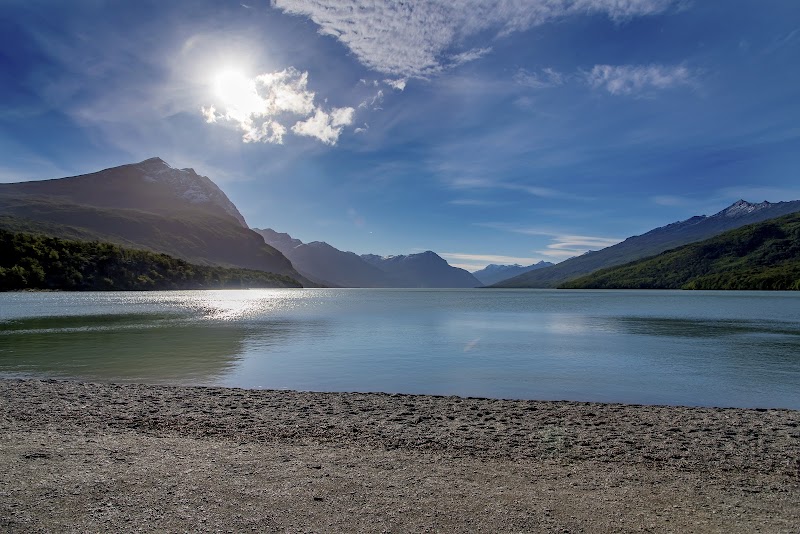
Ushuaia, the world’s southernmost city, offers epic outdoor adventures from hiking pristine trails and kayaking icy channels to skiing at Cerro Castor. This remote gateway to Patagonia's wild landscapes is perfect for nature lovers and thrill seekers.

December to March for hiking and paddling; June to September for skiingExplore Town
Christchurch, Canterbury, N/A
Gateway Basecamp

Christchurch, Canterbury, N/A

Christchurch is the perfect launch point for outdoor adventures like hiking, biking, and wildlife watching in the Canterbury region. Rich with trails, slopes, and waterways, it’s a spirited basecamp for explorers seeking variety.

Spring and SummerExplore Town