Wilderness Landscape & Natural Heritage
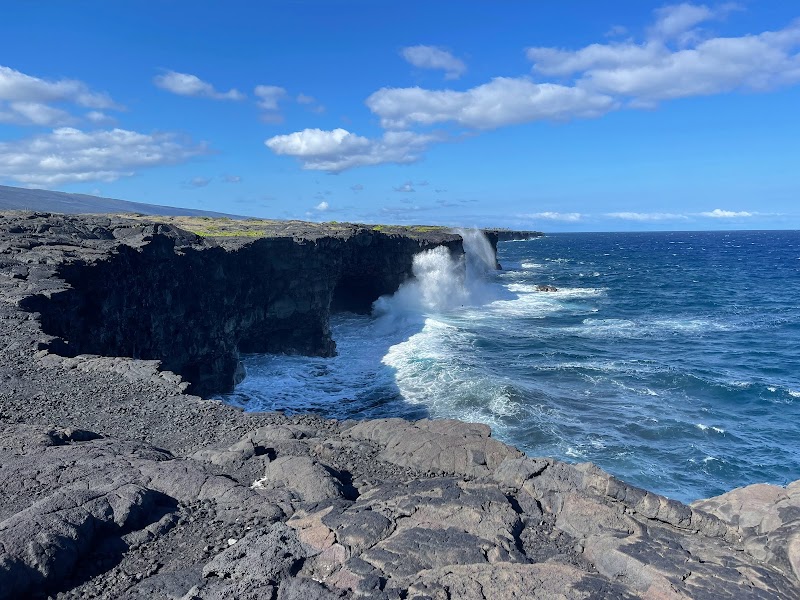
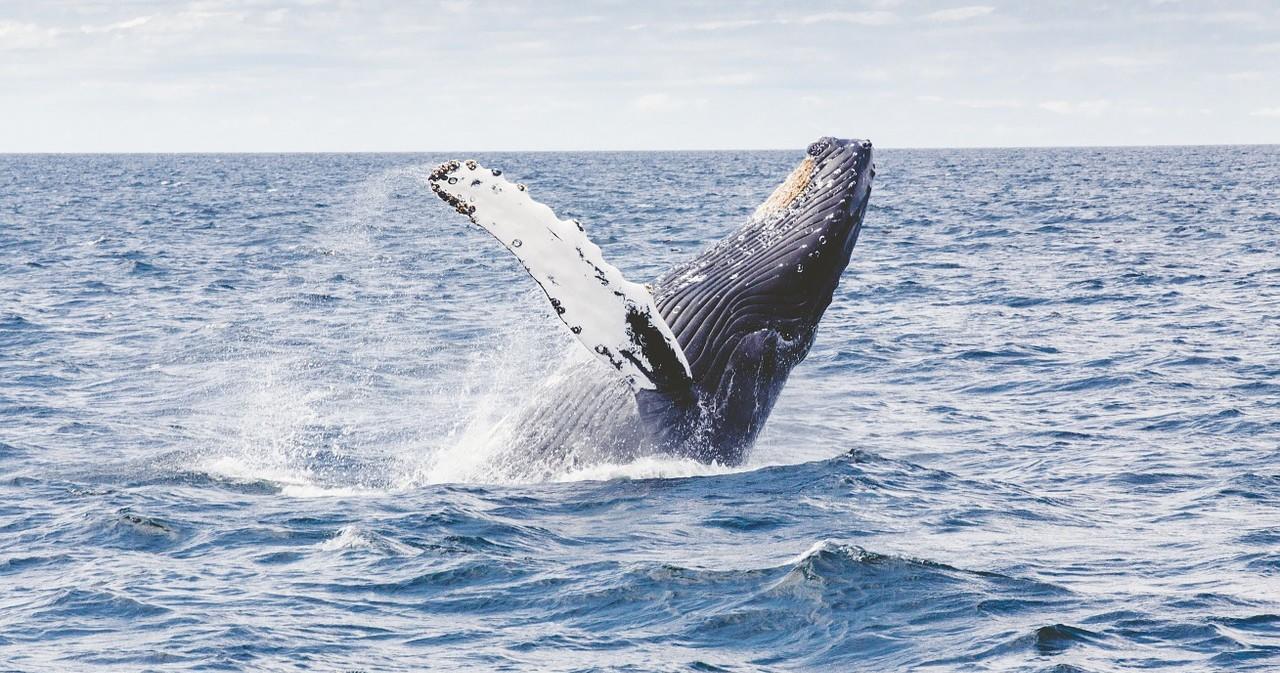
The Paradise Island Marine Reserve encompasses the coastal waters and reefs surrounding Paradise Island, located in the central Pacific Ocean within the Hawaiian archipelago. This reserve protects an ecologically rich marine environment, featuring extensive coral reef systems, seagrass beds, and volcanic rocky substrates that support a diverse array of marine species including reef fish, sea turtles, monk seals, and numerous invertebrates. The island itself is characterized by verdant tropical forests, white sandy beaches, and rugged lava formations, creating a dramatic landscape both above and below water.
Historically, Paradise Island has been significant to Native Hawaiian culture, with traditional fishing, navigation, and conservation practices influencing the area's stewardship. Established in 1998, the marine reserve was created to safeguard sensitive habitats from overfishing, coastal development, and pollution. This has helped the recovery of threatened species and the restoration of coral health in the region.
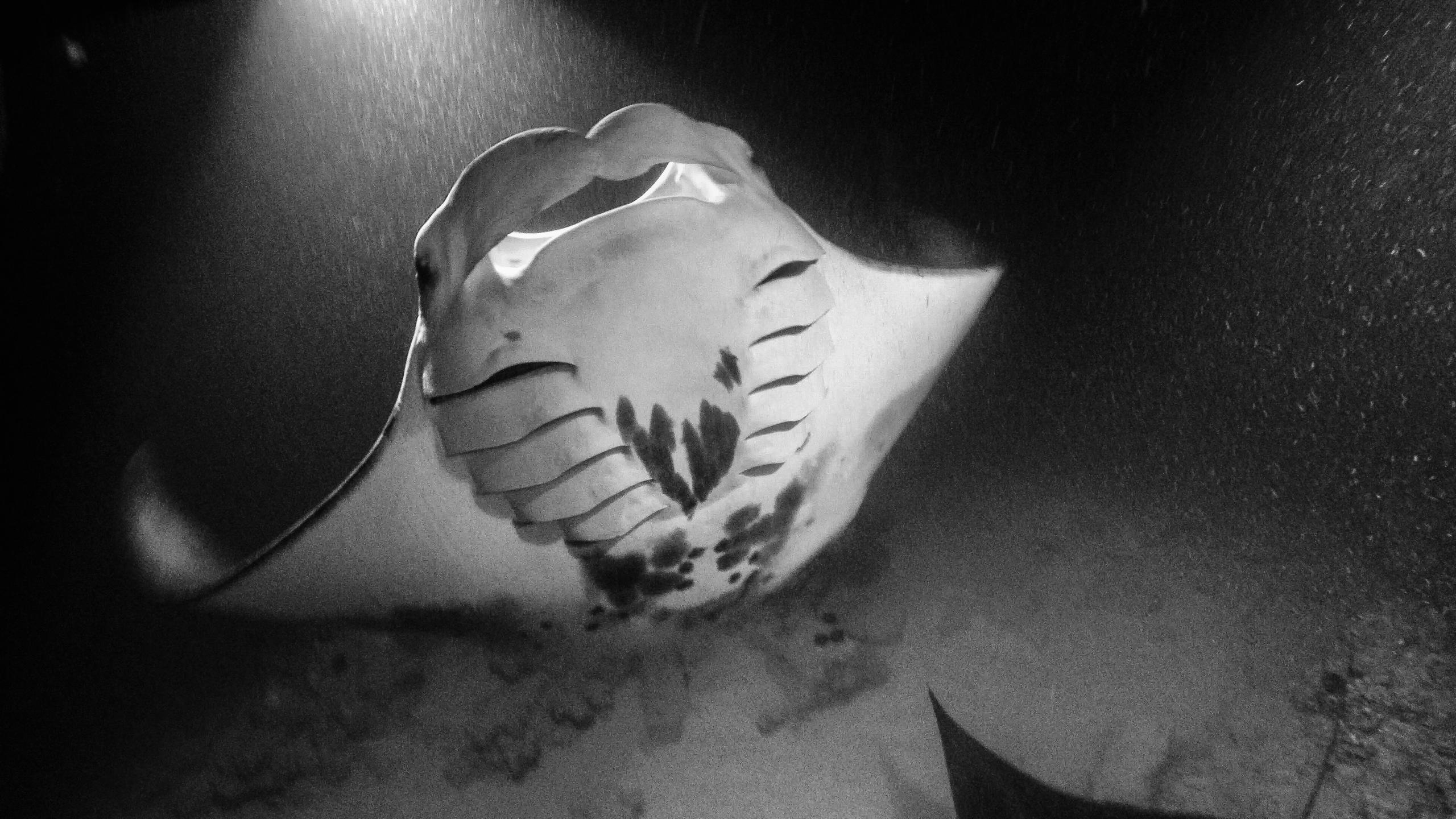
Visitors are drawn to the reserve for its spectacular snorkeling and scuba diving opportunities, allowing close encounters with colorful coral gardens, reef sharks, and manta rays. Kayaking and paddleboarding around the island provide calm access to hidden coves and pristine beaches. On land, guided eco-tours explore native flora, seabird colonies, and ancient archaeological sites. The reserve’s marine biodiversity and scenic beauty offer ideal settings for wildlife photography, environmental education, and sustainable eco-tourism.
The Paradise Island Marine Reserve serves as a prime example of effective marine conservation balancing ecological protection with immersive outdoor experiences, making it a must-visit destination for ocean lovers and nature enthusiasts alike.