Wilderness Landscape & Natural Heritage
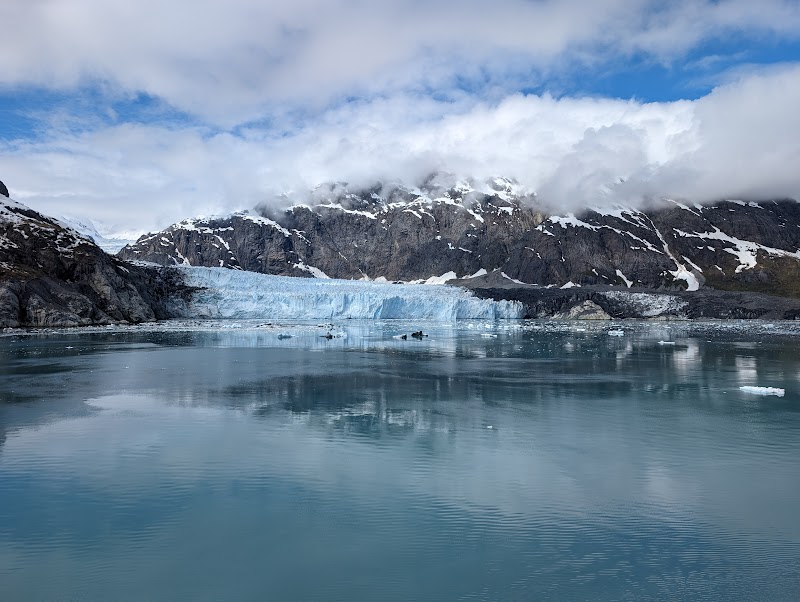
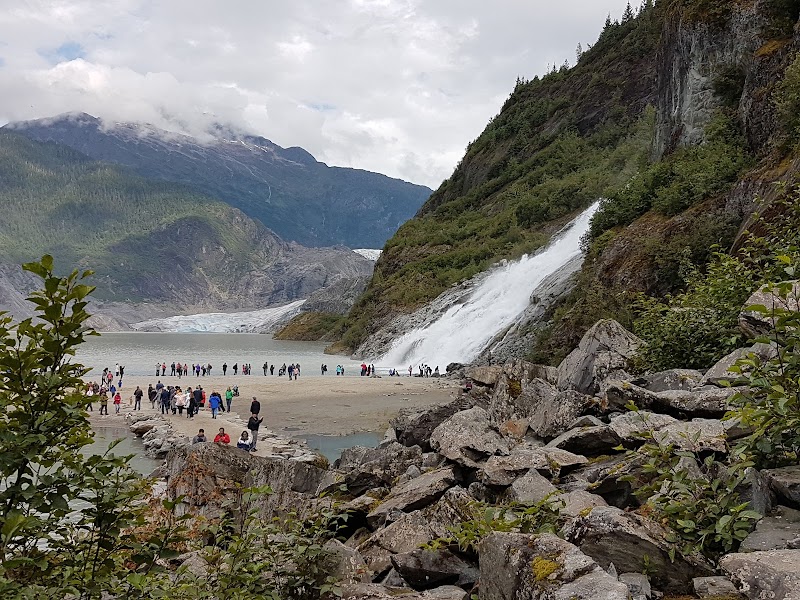
The Huma Forestry Protected Area is a large, federally managed forest reserve located in southeastern Alaska. Characterized by towering conifers, moss-draped old-growth forests, and rugged mountainous terrain, the area boasts diverse ecosystems including coastal rainforests and alpine meadows. It lies within a remote region where dense forests blend into fjord-like waterways and glacial valleys, providing critical habitat to wildlife such as brown bears, Sitka black-tailed deer, bald eagles, and salmon populations supporting healthy riparian zones. Established in the late 20th century as part of federal conservation efforts to preserve valuable timber resources and ecological integrity, Huma Forestry serves both environmental protection and sustainable resource management goals. Visitors are drawn to its network of unspoiled trails, pristine fishing streams, and opportunities for backcountry camping. The area’s rugged landscapes offer phenomenal scenery with towering peaks and hidden waterfalls, appealing to photographers and nature enthusiasts alike. Unlike more developed parks, Huma Forestry Protected Area emphasizes a wilderness experience where solitude and raw natural beauty are paramount. Access is largely through boat or floatplane, underscoring its remote character. Despite its seclusion, the forest is a vital part of the region’s cultural heritage, with Native Alaskan ties and historic logging influences visible in interpretive sites. Overall, Huma Forestry Protected Area is a treasured sanctuary for conservation, recreation, and maintaining Alaska’s wild landscapes.