Wilderness Landscape & Natural Heritage
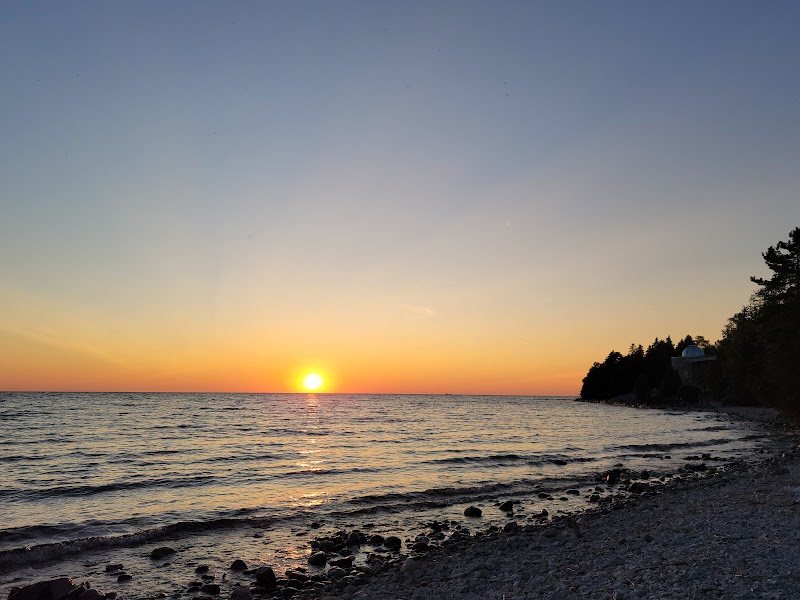
Lake Superior State Forest spans over 130,000 acres in Michigan’s Upper Peninsula, primarily within Chippewa, Luce, and Mackinac Counties. The forest is characterized by a mix of northern hardwoods, conifers, wetlands, and black spruce bogs that support a wide variety of flora and fauna. The terrain varies from gently rolling hills to marshy lowlands, providing important habitat for species such as white-tailed deer, black bear, wolves, and numerous bird species, including ruffed grouse and pileated woodpeckers. Historically, the area was used extensively for logging from the late 19th century through the early 20th century, but today it is managed for multiple uses including recreation, timber harvest, and wildlife habitat preservation. Outdoor enthusiasts often visit for hiking the extensive trail systems, fishing in numerous inland lakes and streams, or camping at developed and dispersed campsites. Snowmobiling and cross-country skiing are popular in the winter months due to the reliable snow cover. Notable landmarks include the Lake Superior shoreline nearby and the various smaller lakes dotted throughout the forest. The forest’s tranquil setting attracts visitors seeking solitude, wildlife viewing, and access to Michigan’s vast north woods wilderness. Accessibility via local highways and forest roads makes it a favored destination for both day trips and extended stays.