Wilderness Landscape & Natural Heritage
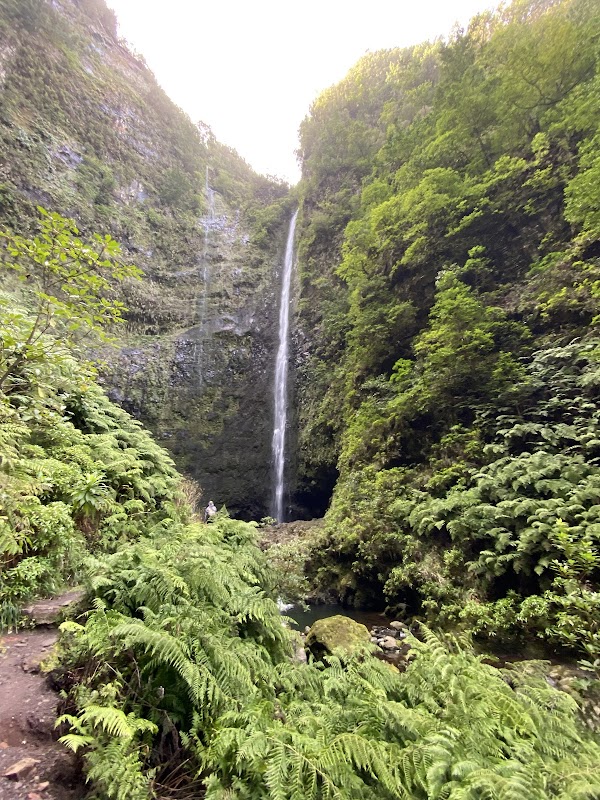
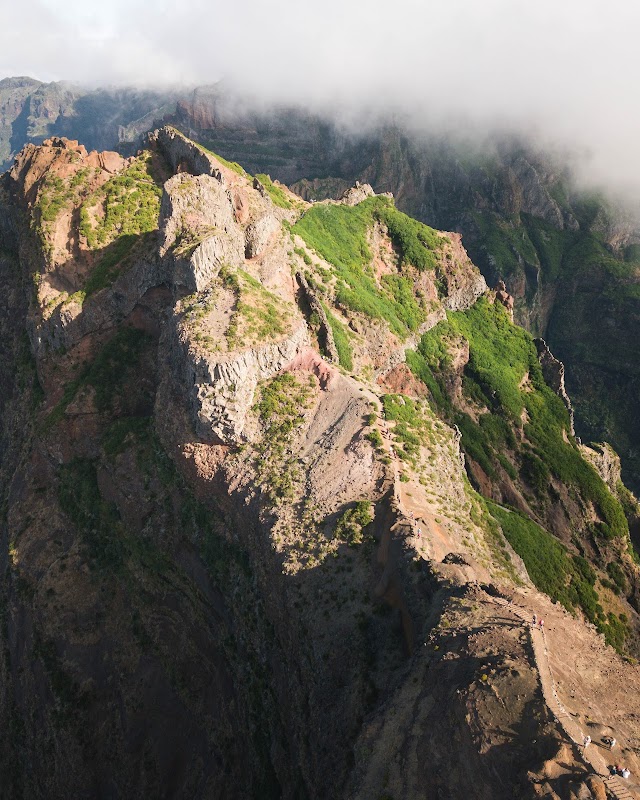
The Laurisilva Forest of Madeira covers approximately 15,000 hectares on the Portuguese island of Madeira, forming the largest surviving laurel forest of its kind in the world. This unique forest dates back to the Tertiary period and represents a well-preserved example of the laurel forest type that once covered much of Southern Europe and North Africa before the last Ice Age. Its mountainous terrain, with altitudes ranging from 300 to over 1,800 meters, is characterized by steep slopes, deep ravines, and a humid climate sustained by frequent cloud cover and mist, which supports rich flora and fauna. The forest is home to over 100 endemic plant species, including the Madeira mahogany (Persea indica) and the Madeira laurel (Ocotea foetens), alongside numerous native birds such as the Madeira firecrest and the trocaz pigeon. The area was declared a UNESCO World Heritage Site in 1999 due to its ecological importance and pristine condition. Visitors can explore an extensive network of levada trails—historic irrigation channels— that provide scenic access to the heart of the forest, passing waterfalls, natural pools, and spectacular viewpoints. The Laurisilva appeals to outdoor enthusiasts, birdwatchers, and nature photographers. Historically, this forest has been important not only for biodiversity but also for Madeira’s cultural heritage, with the levada system dating back to the 16th century. Protection efforts continue to preserve the forest’s rare ecosystems and endemic species, making the Laurisilva Forest a vital natural treasure offering an enchanting, verdant retreat for visitors.