Wilderness Landscape & Natural Heritage
The Laurisilva Forest, located on the island of Madeira, Portugal, is a remarkable remnant of the laurel forests that once covered much of Southern Europe millions of years ago. This forest spans approximately 15,000 hectares across the mountainous regions of Madeira and is characterized by its dense canopy of evergreen trees, rich mosses, and ferns thriving in a humid, mild climate. Recognized as a UNESCO World Heritage Site since 1999, Laurisilva represents one of the largest surviving laurel forest habitats and contains a wealth of endemic plant and animal species, including unique birds, insects, and flora that evolved in geographic isolation.
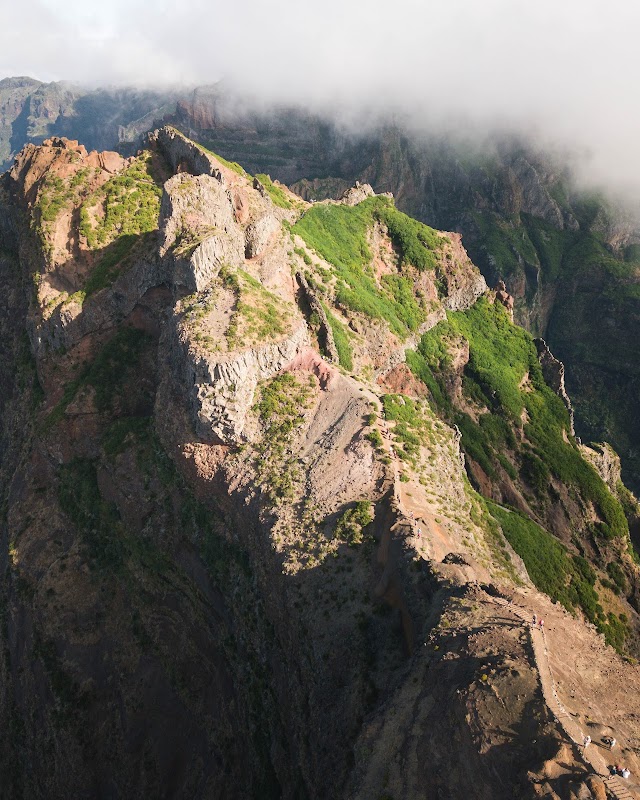
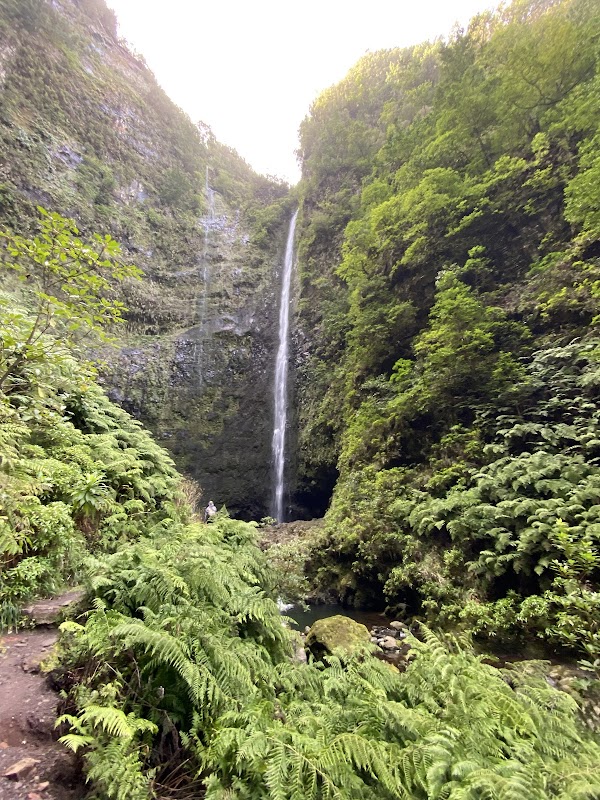
The terrain is rugged with steep cliffs, deep valleys, and hundreds of waterfalls fed by frequent mists and rain, making the forest a spectacular destination for nature lovers and hikers. Trails weave through the forest, offering encounters with towering laurels, unique flora such as the Madeira mahogany and heather, and picturesque views over the Atlantic Ocean. The forest also plays a crucial role in Madeira’s water cycle, capturing moisture and regulating the island’s microclimate.
Popular recreation opportunities include hiking on levada trails—historic irrigation channels with adjacent walking paths—bird watching, and photography. The forest's verdant landscape and serene environment attract visitors seeking to immerse in one of Europe’s last subtropical rainforests. Sites such as the Queimadas Natural Park and the Caldeirão Verde levada trail highlight the forest’s ecological value and hiking appeal. The Laurisilva Forest is treasured not only for its natural beauty but also for its vital role in biodiversity conservation and cultural identity of Madeira.