Wilderness Landscape & Natural Heritage
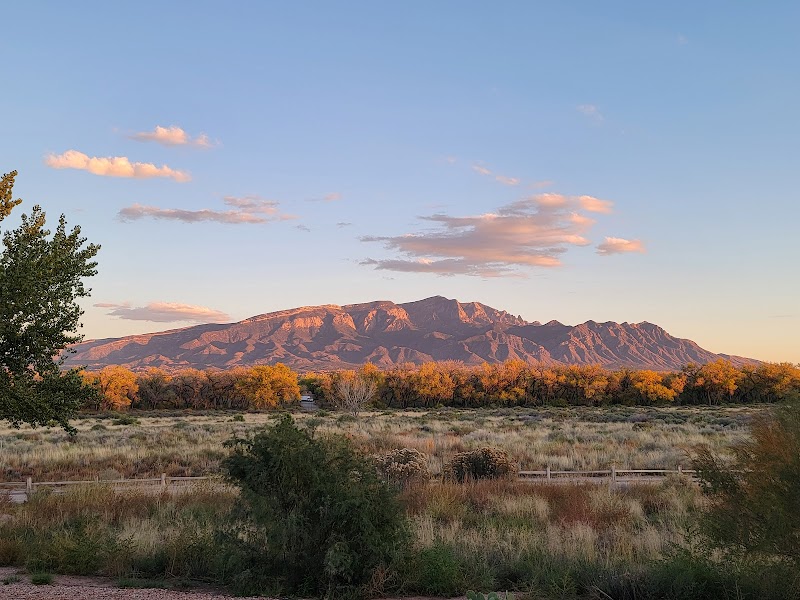
Located in southeastern Colorado, Sand Creek Massacre National Historic Site preserves the site of the 1864 Sand Creek Massacre, where a Colorado Territory militia attacked a peaceful encampment of Cheyenne and Arapaho people, resulting in the deaths of many Native American men, women, and children. The site lies along the eastern plains, characterized by wide open grasslands, rolling hills, and the Sand Creek waterway cutting through the area. The landscape supports native prairie grasses and wildlife such as mule deer, prairie dogs, hawks, and various songbirds. Visitors can explore the site via a network of interpretive trails, which guide them through the historical context and geography of the massacre event. Key features include the preserved encampment area marked by engraved stones, an outdoor amphitheater for educational talks, and a visitor contact station with exhibits about the cultural and historical background. The site fosters reflection and remembrance while promoting awareness of the tragic consequences of frontier conflict. Outdoor recreation here focuses mostly on walking and wildlife observation amid the plains environment, with quiet vistas and wide horizons. The site sees a moderate number of visitors annually, especially those interested in American Indian history, cultural heritage, and historic commemoration. Its location is fairly remote, with nearby small towns providing access and services. Sand Creek Massacre NHS stands as a place for education, remembrance, and connection to a pivotal moment in American history.