Wilderness Landscape & Natural Heritage
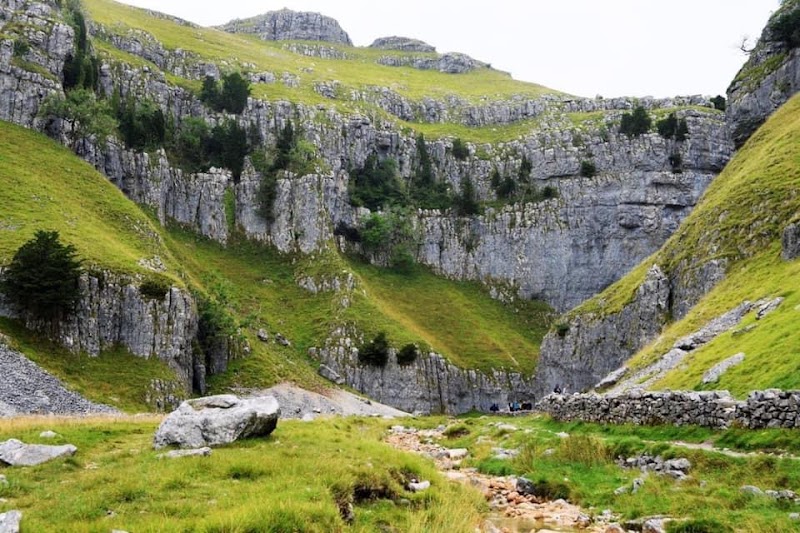
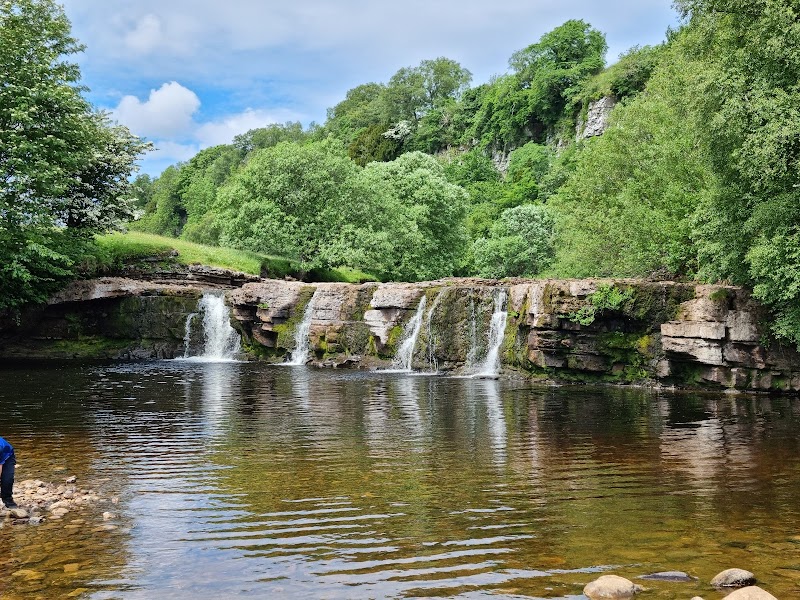
Teesdale National Nature Reserve covers a large area within the North Pennines Area of Outstanding Natural Beauty, primarily in County Durham, England. The reserve is characterized by its rugged upland limestone and millstone grit geology, which supports an exceptional range of habitats including species-rich hay meadows, blanket bogs, limestone pavements, and upland heath. Notably, Teesdale is home to several rare and protected plant species, such as the famous Teesdale violet and the endemic Teesdale violet (Viola rupestris), along with the remarkable snake’s head fritillary. These species are part of what makes this reserve one of the most important botanical sites in the United Kingdom. The area's distinctive landscapes also include the limestone scars, gills (steep-sided wooded valleys), and gritstone edges, making it a popular destination for hikers and nature enthusiasts.
Historically, the reserve lies within an area rich in mining and industrial heritage, but today the focus lies on conservation and public education. The Pennine Way and several local trails traverse the reserve, allowing visitors to explore moorlands and meadows while witnessing vibrant wildflower displays in summer. Bird watching is also a key activity, with species such as curlew, golden plover, and ring ouzel commonly spotted. The reserve’s management emphasizes habitat restoration, protection of rare species, and sustainable public access, making it an appealing destination for botanists, photographers, and outdoor recreationists alike.