Wilderness Landscape & Natural Heritage
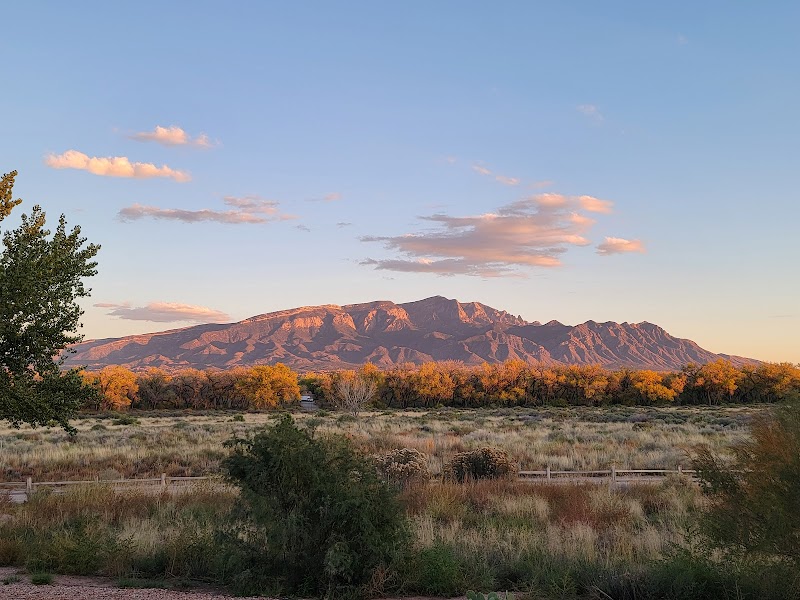
Cabañeros National Park, established in 1995, is located in the provinces of Ciudad Real and Toledo in Castilla-La Mancha, Spain. Encompassing Mediterranean forests, shrublands, and grasslands, it protects one of the best-preserved Mediterranean ecosystems in Europe, often called the “Spanish Serengeti” for its wide-open landscapes and free-roaming large herbivores. The park covers rugged hills, deep river valleys, and extensive dehesa woodlands dominated by cork oaks and holm oaks, which support a diverse flora and fauna. It is a crucial habitat for several endangered and emblematic species such as the Iberian lynx, the Spanish imperial eagle, the black vulture, and the fallow deer. Historically, the region was sparsely populated, and traditional agricultural and pastoral activities helped maintain its landscape, which the park now protects from intensive development.
Visitors to Cabañeros can explore a network of marked trails that traverse its varied terrain, offering opportunities to see wildlife in natural habitats, including wild boars, red deer, and the elusive lynx. Bird watchers find it particularly rewarding due to the presence of rare raptors and other Mediterranean bird species. The park also features rich archaeological sites and traditional rural architecture that reflects the cultural heritage of the area.
With access points near towns such as Horcajo de los Montes and Retuerta del Bullaque, Cabañeros provides a tranquil setting for nature lovers and photographers. The visitor centers offer educational exhibits and guided tour options to enhance the experience. Compared to more famous national parks, Cabañeros offers a less crowded, authentically wild experience of Spain’s natural heritage.