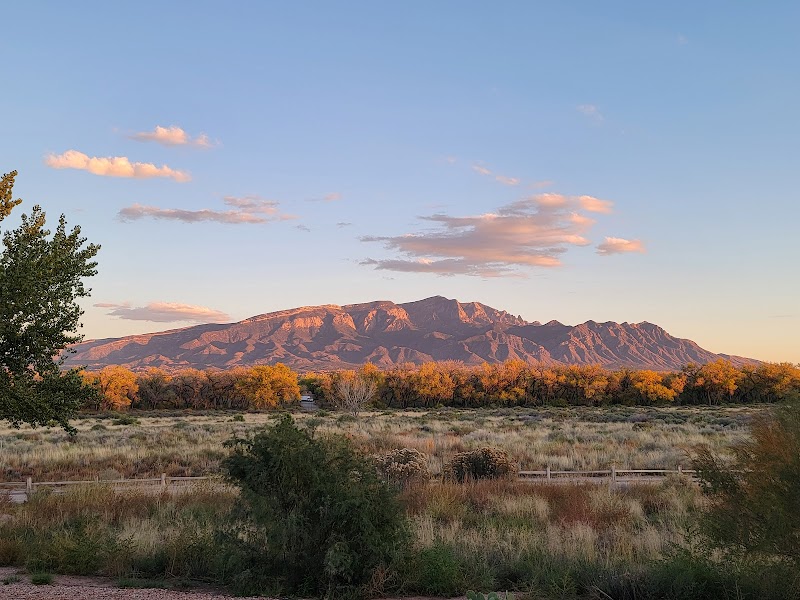
Lower Tanga National Park wilderness guide
National Park · Tanga Region, Tanzania
Bird Watching Guide

Lower Tanga National Park

Lower Tanga National Park protects coastal forest, mangroves, and marine habitats along Tanzania’s northeastern shoreline, offering unique opportunities for wildlife viewing and coastal exploration.

National Park18,5004+ Trails

Designation

National Park

Total Wilderness Area

18,500

Elevation / Terrain

Diverse Wilderness

Field Editorial Guide

About Lower Tanga National Park

Lower Tanga National Park protects coastal forest, mangroves, and marine habitats along Tanzania’s northeastern shoreline, offering unique opportunities for wildlife viewing and coastal exploration.

Wilderness Landscape & Natural Heritage

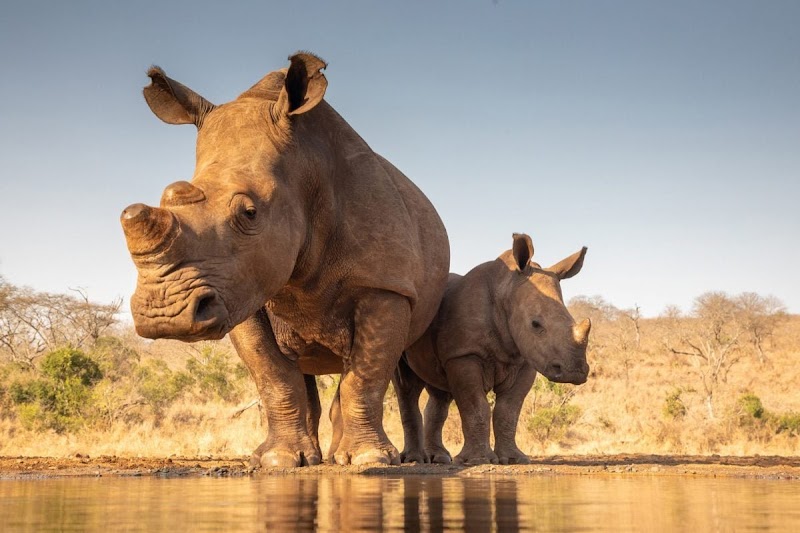
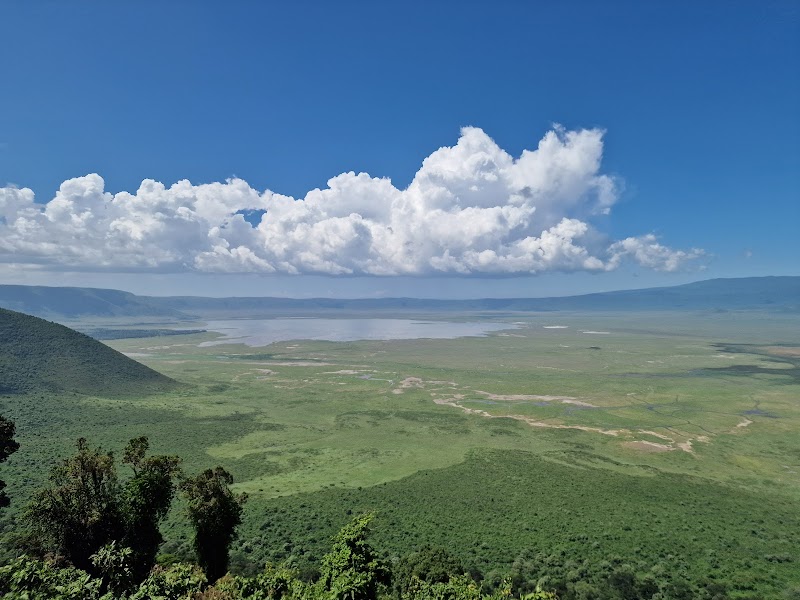
Lower Tanga National Park encompasses a diverse coastal ecosystem located in the Tanga Region of northeastern Tanzania. The park includes coastal forests, mangroves, coral reefs, and adjacent marine waters, creating a vital habitat for a variety of terrestrial and marine wildlife. Key habitats support populations of endemic and migratory species, such as the rare African fish eagle, diverse marine fish, and forest mammals including monkeys and small antelopes. The park also plays an important role in protecting fragile coral reefs and mangrove swamps critical for shoreline stability and marine biodiversity. Established to conserve these coastal ecosystems, the park presents opportunities for eco-tourism activities including guided forest walks, bird watching, snorkeling, and small-boat marine tours. Visitors may explore the adjacent mangroves by kayak or learn about local fishing traditions in nearby communities. Lower Tanga’s remoteness and relatively low visitor numbers make it appealing for travelers seeking off-the-beaten-path experiences in Tanzania’s coastal wilderness. The park’s combination of rich terrestrial and marine biodiversity, cultural touchpoints, and varied recreation options make it a compelling destination for nature enthusiasts and conservation-minded visitors.
Field Guide · National Park

Notable Landscape Features

Iconic geological landmarks, alpine vantage points, and distinctive ecosystems in Lower Tanga National Park.

Feature 1

Mangrove Forests

Vast stands of mangroves serve as nursery grounds for fish and habitat for unique bird species.

Feature 2

Coral Reefs

Healthy coral reefs offshore provide stunning snorkeling spots teeming with marine life.

Feature 3

Coastal Forest Trails

Well-maintained trails allow visitors to explore diverse coastal plant and animal communities.

Key Wilderness Highlights

Extensive coastal mangrove forests that support rich birdlifeCoral reef ecosystems with vibrant snorkeling opportunitiesScenic trails through coastal forest habitatsTraditional fishing villages offering cultural insights
Iconic Trails & Natural Landmarks

Top Trails & Sights in Lower Tanga National Park

Discover summit paths, alpine loops, and natural wonders within this protected wilderness.

Easy3.5

Mangrove Boardwalk Trail

A flat, scenic trail featuring interpretive signage through dense mangrove habitat.

Moderate5.0

Coastal Forest Loop

Trail showcasing native forest trees, birdwatching sites, and coastal views.

Moderate4.2

Mwandezi River Trail

Follows a forested river corridor with opportunities to see monkeys and bird species.

EasyN/A

Coral Head Snorkel Route

Boat-accessible snorkeling sites rich in coral diversity and tropical fish.

Wilderness Recreation

Outdoor Adventures in Lower Tanga National Park

Explore curated guides for top outdoor sports, trail networks, and wilderness activities.

Activity Spotlight

Bird Watching in Lower Tanga National Park

View Full Park Guide

Lower Tanga National Park offers exceptional terrain and routes for bird watching, featuring established access paths, scenic vistas, and protected wilderness territory.

Other Activities in Lower Tanga National Park:HikingWildlife ViewingSnorkelingKayakingPhotography
The Ranger Station

Visitor Logistics & Essential Planning

Everything you need to know about entrance passes, seasons, visitor centers, road transit, and wildlife safety in Lower Tanga National Park.

Passes & Fees

Entrance Requirements & Interagency Passes

Park entry permit required; fees payable at park gate or headquarters

Wilderness Checklist

Carry paper topographic map & compass in remote zones.
Store all food and scented items in approved bear canisters.
Check wildfire / smoke advisories before backcountry departure.
Pack out everything you pack in (Leave No Trace).
Wilderness Stays

Camping & Overnight Stays in Lower Tanga National Park

Frontcountry developed campgrounds, backcountry wilderness permit guidelines, and starry-night camping advice.

Mwandezi Campsite

Rustic riverside campsite surrounded by forest, ideal for wildlife watching and stargazing

Adventure Basecamps

Gateway Towns Near Lower Tanga National Park

Stay, dine, and gear up in these mountain towns and scenic desert basecamps surrounding the park.

Muheza, Tanga Region, Tanga Region, Tanzania
Gateway Basecamp

Muheza, Tanga Region, Tanga Region, Tanzania

Muheza is a small Tanzanian town offering outdoor lovers hiking and biking access to the West Usambara Mountains and tropical forests. Ideal for bird watchers and paddlers, it’s a quiet basecamp for nature and cultural exploration.

June to October (Dry Season)Explore Town
Mkinga, Tanzania, Tanga Region, Tanzania
Gateway Basecamp

Mkinga, Tanzania, Tanga Region, Tanzania

Mkinga offers outdoor adventurers a mix of coastal wilderness, forest hikes, and rich wildlife encounters without the crowds. Explore Saadani National Park, kayak the Pangani River, and experience authentic East African coastal culture.

June to OctoberExplore Town
Muheza, Tanga Region, Tanga Region, Tanzania
Gateway Basecamp

Muheza, Tanga Region, Tanga Region, Tanzania

Muheza is a small Tanzanian town offering outdoor lovers hiking and biking access to the West Usambara Mountains and tropical forests. Ideal for bird watchers and paddlers, it’s a quiet basecamp for nature and cultural exploration.

June to October (Dry Season)Explore Town