Wilderness Landscape & Natural Heritage
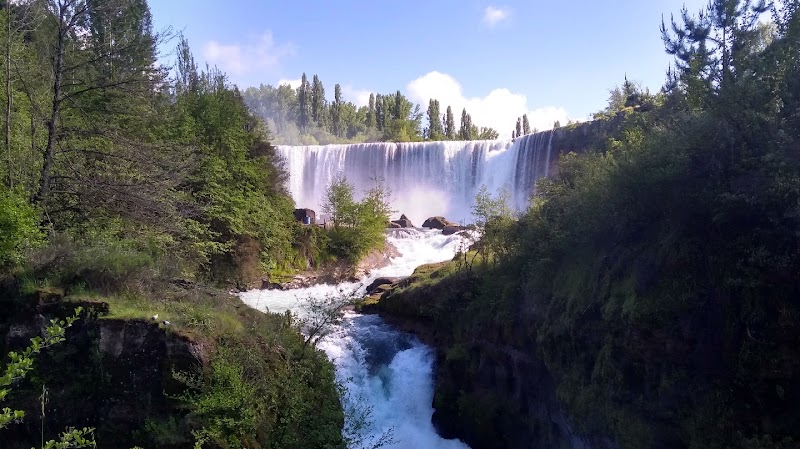
Nonguén National Park, established in 2008, encompasses approximately 26,500 acres of mixed evergreen and deciduous temperate forest in Chile’s Biobío Region. Nestled in the Coastal Mountain Range, the park protects a rare remnant of Chile’s Valdivian temperate rainforest, featuring ancient standing Araucaria trees, tall coigüe and lenga forests, and abundant understory vegetation. The park’s mountainous terrain rises to about 1,333 meters at its highest points, offering panoramic views of the surrounding valleys and the Pacific coast beyond. Nonguén’s ecosystem is a biodiversity hotspot, home to several endangered and endemic species including the puma, the pudú (the world’s smallest deer), and a variety of native birds such as the chucao tapaculo and Magellanic woodpecker. Visitors can enjoy a network of well-maintained hiking trails that wind through dense forest, past cascading streams, and up to viewpoints that reveal the region’s geological and ecological richness. Alongside hiking, wildlife watching and nature photography are popular activities here. The park holds cultural significance as well, preserving lands historically inhabited by the Mapuche people. Efforts in conservation have focused on both restoring degraded forest areas and protecting critical habitats from logging and development. Nonguén’s relatively low visitor density offers a peaceful outdoor experience for travelers seeking immersion in pristine nature away from the busier tourist routes. Its proximity to the city of Concepción makes it an accessible destination for both day trips and multi-day excursions within Chile’s temperate rainforest landscape.