Wilderness Landscape & Natural Heritage
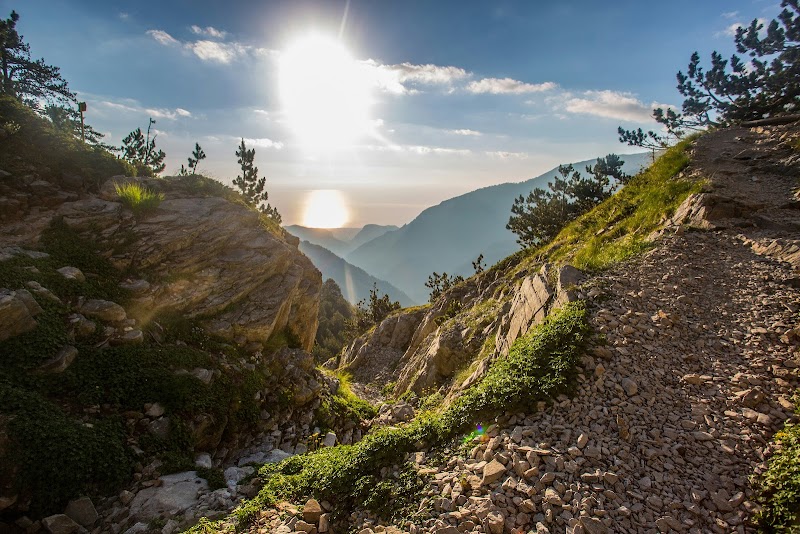
Olympus National Park, established in 1938, is Greece’s first national park and covers the area around Mount Olympus, which rises to 2,917 meters (9,570 feet) as the highest peak in Greece. Located in the Macedonia region of northern Greece, the park spans a mountainous landscape featuring deep gorges, dense forests, alpine meadows, and rugged cliffs. The park’s ecosystem is diverse, including Mediterranean pine forests at lower elevations, deciduous oak and fir woodlands, and high-altitude alpine vegetation. Olympus is home to over 1700 species of plants, including many endemic and rare species, as well as wildlife such as wild goats (kri-kri), deer, foxes, and eagles. The mountain’s steep faces and rocky summits are famous among climbers and hikers worldwide. The park offers a network of well-maintained trails of varying difficulty, with many routes culminating at Mytikas peak, the highest summit. Historical and mythological significance adds to the park’s appeal: Olympus was revered in ancient Greek mythology as the home of the twelve Olympian gods. Visitors can explore traditional villages, visit archaeological sites, and enjoy spectacular natural scenery year-round. The park provides a variety of outdoor activities, including multi-day trekking, rock climbing, bird watching, and photography. Its combination of natural beauty, cultural heritage, and challenging terrain makes it a premier destination for nature enthusiasts and adventure seekers alike.