Wilderness Landscape & Natural Heritage
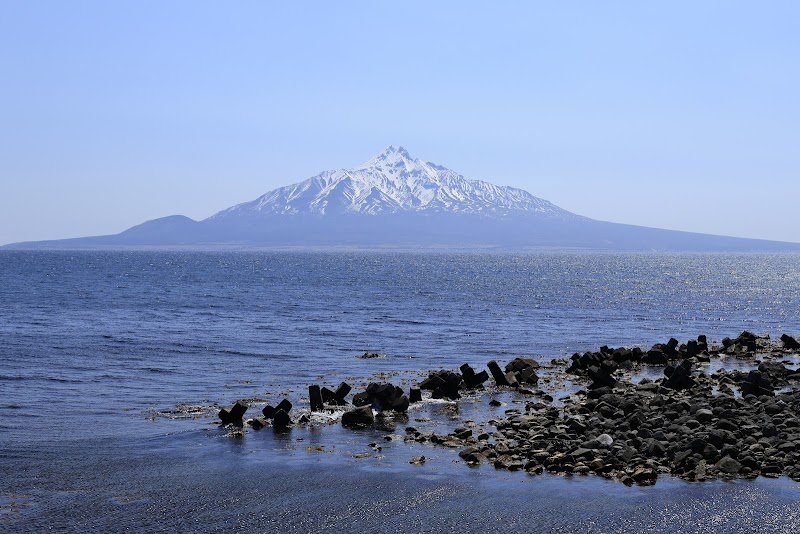
Rishiri-Rebun-Sarobetsu National Park, established in 1974, spans a diverse natural region in northern Hokkaido, Japan. The park includes three distinct areas: the volcanic island Rishiri, the flower-rich island Rebun, and the vast Sarobetsu moorland on the mainland. Mt. Rishiri, an extinct stratovolcano rising to 1,721 meters, dominates the seascape and offers challenging hikes with panoramic views of the Sea of Japan and neighboring islands. Rebun Island is renowned for its alpine flora, especially during summer when rare flowers carpet the rocky terrain, attracting botanists and nature enthusiasts. The Sarobetsu Plain features one of Japan's largest coastal moorlands and peat bogs, providing critical habitat for migratory birds and other wildlife. Visitors engage in hiking, birdwatching, fishing, and exploring scenic coastal routes. The park also emphasizes cultural connections through diffusion of Ainu heritage and traditional fishing villages. Diverse ecosystems ranging from alpine, coastal, to wetland environments make it an ecological treasure. The park’s combination of rugged volcanoes, delicate flower fields, and expansive marshlands offers distinctive seasonal experiences, with spring blooms, summer hikes, and fall foliage drawing visitors. Its remote location and protected status make it a refuge for conservation, scientific research, and outdoor recreation.