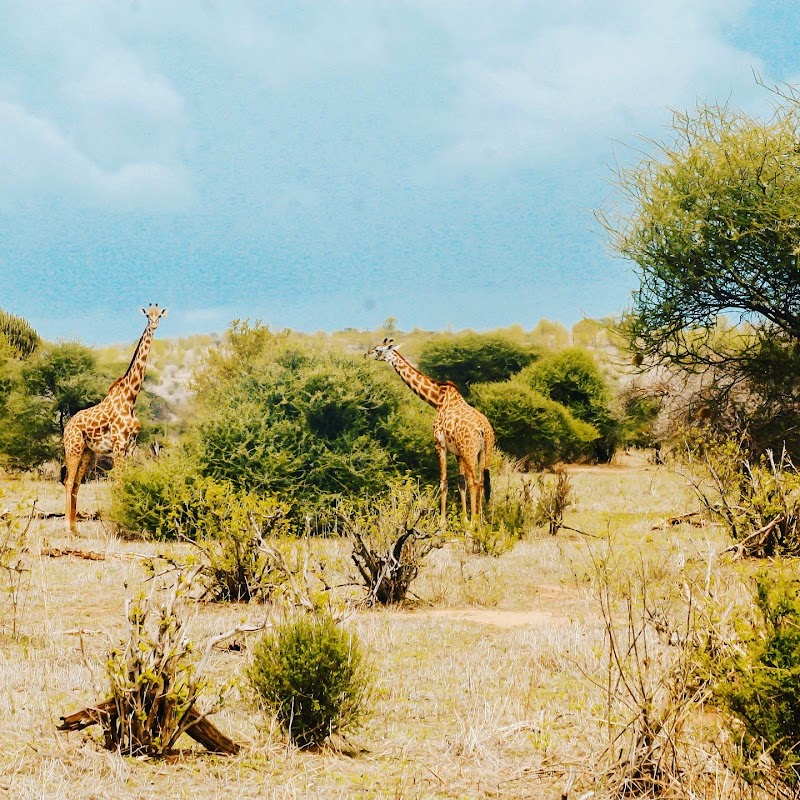
As the dawn stretches across the horizon, the golden rays illuminate the rugged landscape of Ruaha National Park, Tanzania. This remote haven is a treasure trove of African wilderness, pulsating wi...
National Park5,000,000+1+ Trails
1964NATIONAL PARK
DesignationNational Park
Total Wilderness Area5,000,000+
Elevation / TerrainDiverse Wilderness
Field Editorial Guide
About Ruaha National Park
Ruaha National Park is the largest national park in Tanzania, known for its vast savannas, rich wildlife, and incredible landscape diversity.
Wilderness Landscape & Natural Heritage
Ruaha National Park, spanning about 20,226 square kilometers, is a vital conservation area in central Tanzania. The park's landscape is characterized by rolling hills, river systems, and expansive savannas that support a robust population of diverse wildlife. Animals commonly observed include elephants, lions, leopards, giraffes, and a significant population of wild dogs. Ruaha is part of the larger Rungwa-Kizigo-Muhesi ecosystem and serves as a critical region for ecological research and species conservation. Established as a national park in 1964, it provides critical habitat for many endangered species and attracts visitors seeking authentic safari experiences away from crowded tourist routes. Ruaha's visitor appeal is enhanced by its remote beauty and undisturbed habitats, offering unique experiences for wildlife viewing and photography.
Field Guide · National Park
Adventure Destinations
Notable Destinations Near Ruaha National Park
Scenic viewpoints, outdoor landmarks, and notable points of interest within 60 miles.
Key Wilderness Highlights
✦ The Great Ruaha River, a crucial water source for wildlife✦ Large elephant populations, some of the highest in Tanzania✦ Tracking the rare and elusive wild dogs✦ Birdwatching opportunities with over 570 species identified
Wilderness Visuals & Gallery
Visual Guide to Ruaha National Park
Wilderness Recreation
Outdoor Adventures in Ruaha National Park
Explore curated guides for top outdoor sports, trail networks, and wilderness activities.
Activity Field GuideRuaha National Park
Hiking in Ruaha National Park
Discover the Wild Essence of Ruaha National Park: An Adventurer’s Guide
As the dawn stretches across the horizon, the golden rays illuminate the rugged landscape of Ruaha National Park, Tanzania. This remote haven is a treasure trove of African wilderness, pulsating with life and inviting exploration. As you step onto the gravelly paths, the cool morning air fills your lungs, awakening the senses to the stirring whispers of nature. Ruaha is not just a destination; it’s a journey that beckons adventure-seekers and nature lovers alike.
Covering over 20,000 square kilometers, Ruaha boasts the largest population of elephants in Tanzania, their majestic forms casting shadows under acacia trees as they wander the savanna. But it is the lesser-known trails that provide an intimate connection with the wild. While trekking through this enchanting park, the rhythm of the earth beneath your feet resonates, leading you through undulating hills and wide-open plains. Each step reveals exquisite flora: the delicate dance of wildflowers, the robust embrace of baobabs, and the towering silhouettes of doum palms against the canvas of the sky.
Embarking on a hiking adventure in Ruaha requires thoughtful preparation. The park offers several trails that vary in difficulty, accommodating both novice explorers and seasoned trekkers. Expect to cover distances ranging from a few kilometers to full-day treks that challenge and delight. Elevation changes are gradual, making it possible to immerse yourself in exploration without overwhelming fatigue. Trails weave along riverbanks, giving you a chance to gaze at hippos barely breaking the surface while the water murmurs a gentle song.
As you journey deeper into the heart of Ruaha, the terrain presents a captivating mix of dense woodland and sweeping grasslands. The chirping of birds fills the air, creating an ever-changing soundtrack to your adventure. Spotting wildlife becomes a thrilling game; with each rustle in the bushes, excitement lingers. You may encounter a troupe of baboons playfully climbing nearby trees or see a stealthy leopard resting in the dappled shade, patiently surveying its kingdom.
Timing your visit to Ruaha is crucial to fully appreciate its wonders. The dry season, from June to October, unveils the park's vibrant ecosystems. Wildlife congregates around dwindling water sources, making encounters abundant and thrilling. However, visiting during the wet season transforms the park into a rejuvenated land, rich with lush green foliage and a chorus of life that celebrates the rains.
Hydration is key when hiking; pack ample water to sustain your adventure. Comfortable, sturdy footwear creates a solid foundation, allowing you to traverse uneven terrain with confidence. Consider lighter, moisture-wicking clothing that breathes as you hike, accommodating the park's warmth while protecting you from the sharp whispers of the underbrush. A compact first aid kit and sunscreen are essential companions as you seek to safeguard your health in this untamed landscape.
The experience of hiking in Ruaha is not merely about conquering trails; it’s about forming a bond with nature. As you walk, pause to appreciate the small wonders around you. Feel the rough texture of tree bark, catch the vibrant hues of a butterfly's wings, and listen intently to the melodic call of distant birds.
Every turn in the trail unveils a new perspective—a panoramic view over the Ruaha River or a secluded glade that offers a moment of hushed tranquility. The wilderness speaks—its stories etched in the rustling leaves and the dance of sunlight through branches. Embrace this communion with nature; let it fill your spirit and ignite your sense of adventure.
Ruaha National Park stands as a vivid reminder of nature’s raw beauty, ripe for exploration. With every step you take, you join the ranks of those who’ve wandered through its vast expanse, collecting unforgettable memories against the backdrop of Tanzania’s most unspoiled wilderness. This is more than a hike; it is a passage through the very heartbeat of Africa.
Other Available Activity Guides in Ruaha National Park:
The Ranger Station
Visitor Logistics & Essential Planning
Everything you need to know about entrance passes, seasons, visitor centers, road transit, and wildlife safety in Ruaha National Park.
Passes & Fees
Entrance Requirements & Interagency Passes
Park fees required; guided tours are recommended
Wilderness Checklist
Carry paper topographic map & compass in remote zones.
Store all food and scented items in approved bear canisters.
Check wildfire / smoke advisories before backcountry departure.
Pack out everything you pack in (Leave No Trace).
Wilderness Stays
Camping & Overnight Stays in Ruaha National Park
Frontcountry developed campgrounds, backcountry wilderness permit guidelines, and starry-night camping advice.
Mwagusi Camp
Offers excellent views and comfort along the Mwagusi River