Sagarmatha National Park wilderness guide
National Park · Nepal
Hiking Guide

Sagarmatha National Park

Sagarmatha National Park, located in the remote Khumbu region of Nepal, is renowned for its breathtaking mountainous terrain, including the world's highest peak, Mount Everest.

National Park283,100 acres4+ Trails

Designation

National Park

Total Wilderness Area

283,100 acres

Elevation / Terrain

Diverse Wilderness

Field Editorial Guide

About Sagarmatha National Park

Sagarmatha National Park, located in the remote Khumbu region of Nepal, is renowned for its breathtaking mountainous terrain, including the world's highest peak, Mount Everest.

Wilderness Landscape & Natural Heritage

Sagarmatha National Park, covering 1,148 square kilometers in the Solukhumbu District of Nepal, forms part of the Himalayan range. Established in 1976, this UNESCO World Heritage Site harbors unique ecosystems characterized by rugged terrains, deep gorges, and glacial valleys. The park encompasses the majestic Mount Everest, standing at 8,848 meters, which draws mountaineers from around the globe. Elevations within the park range from 2,845 meters at Monjo to the summit of Everest, promoting diverse biotopes across the altitude spectrum. The park is home to rare wildlife species such as the snow leopard and the red panda, alongside thriving forests where rhododendron, fir, and birch flourish. Visitors are not only captivated by the natural beauty but also by the cultural richness, as the area is inhabited by the Sherpa people, who bring an invaluable cultural dimension to the trekking experience. Trekking, cultural tourism, and mountaineering are the prime activities, with the Everest Base Camp trek being a highlight.

Field Guide · National Park

Notable Landscape Features

Iconic geological landmarks, alpine vantage points, and distinctive ecosystems in Sagarmatha National Park.

Feature 1

Mount Everest

At 8,848 meters, it is the tallest peak on the planet and a climber’s dream destination.

Feature 2

Tengboche Monastery

A spiritual center for the Sherpa community featuring traditional Buddhist architecture.

Feature 3

Gokyo Lakes

A series of high-altitude lakes known for their stunning beauty and reflection of the surrounding peaks.

Key Wilderness Highlights

Mount Everest, the highest point on earth.The rich biodiversity, including rare species like the snow leopard.Sherpa cultural sites, such as Tengboche Monastery.The Gokyo Lakes, offering stunning panoramic views.
Iconic Trails & Natural Landmarks

Top Trails & Sights in Sagarmatha National Park

Discover summit paths, alpine loops, and natural wonders within this protected wilderness.

Challenging80 miles

Everest Base Camp Trek

One of the most iconic treks offering stunning views of Everest and neighboring peaks.

Challenging70 miles

Gokyo Valley Trek

A less crowded route providing breathtaking views of Everest plus the turquoise Gokyo Lakes.

Challenging100 miles

Three Passes Trek

A challenging trek crossing three high passes, offering spectacular vistas and diverse landscapes.

Moderate25 miles

Tengboche Monastery Trek

A shorter trek, great for cultural insights and stunning views of Ama Dablam.

Wilderness Recreation

Outdoor Adventures in Sagarmatha National Park

Explore curated guides for top outdoor sports, trail networks, and wilderness activities.

Activity Spotlight

Hiking in Sagarmatha National Park

View Full Park Guide

Sagarmatha National Park offers exceptional terrain and routes for hiking, featuring established access paths, scenic vistas, and protected wilderness territory.

Other Activities in Sagarmatha National Park:CampingWildlife ViewingPhotographyScenic DrivesClimbing
Explore Guide →

Hiking

**Embarking on the Call of Sagarmatha: An Adventurer's Guide to Trekking Through Nepal's Majestic Heart** When you set foot on the storied path leading into Sagarmatha National Park, you're answering the call of adventure’s purest form. Here, you step into a realm where the earth’s grandeur is on full display, tumbling beneath the shadow of the world's highest peak—Mount Everest. The park, a UNESCO World Heritage site, spans some 1,148 square kilometers, cradling trekkers in the protective arms of the epic Himalayas. Walking through this terrain is not just a journey on foot but a deep exploration of one's spirit against the aged and dramatic backdrop of ice, stone, and sky. Entering the park is like stepping through a gateway into scenes of heartfelt beauty, where every turn in the trail unveils nature's untamed theater. The air here is thinner, crisp as it caresses your skin, and with every breath, you inhale the primal history of earth itself. Be prepared to traverse trails that undulate over ridges and valleys, challenging your resolve against the splendid hardship of the climb. These pathways are living vestiges, winding through dense forests where the fallen leaves murmur tales of yore, onward into exposed alpine expanses where the sun’s striking illumination battles with cold breezes. Pragmatism is key on this trek, and as an adventurer, equipped to handle both the splendor and the challenges, you'll find hardy satisfaction. The elevation gain is daunting—ranging from approximately 2,845 meters to over 8,000 meters depending on your chosen path. Here, the air grows wispy thin, and altitude sickness can be a formidable opponent. Careful acclimatization is not a suggestion but a necessity; short hikes and ’rest days’ are your allies, as crucial as a sturdy pair of hiking boots to support your journey on rough-hewn rocks and slick, wandering streams that chatter in musical cadence. Along the route, Namche Bazaar emerges from the landscape, a bustling trading outpost paying homage to both traditional Sherpa culture and modern-day mountaineering. Here, you can replenish your supplies and savor a warm meal before continuing your ascent. The bracing cold of pre-dawn starts, the quiet rustle of tents being struck, and the golden kiss of sunrise on snowfields propel you forward. Daylight hours gift you with unobstructed vistas of peaks like Lhotse, Nuptse, and Ama Dablam thrusting skyward—a stone hymn to power and endurance. As you make progress, interactions with the landscape transform into engagements with Nepal's rich tapestry of biodiversity. The Himalayan flora offers bursts of rhododendron colors while the call of rare birds weaves serenades through the branches. Ever an observer of your excursion, the occasional blue sheep or elusive snow leopard leaves a subtle mark, adding a touch of mystique to your trek. For those inspired by both reverence and practicality, resources like trekking poles become as indispensable as your zest for exploration. The trails that wind through Sagarmatha are not just paths to summits but a guided meditation, mindfully practiced step by step. Carry ample hydration and layers to guard against the unpredictability of the high-altitude climate where sun-induced warmth can turn frosty within moments. As you press higher, the reflections of the dizzyingly blue skies in tranquil glacial lakes offer stops to drink in both water and wonder. Each day culminates in the satisfaction that echoes an ancient promise, whispered through valley breezes: you belong to this grand theater, participant in its eternal dialogue. In Sagarmatha, you are both explorer and steward; the mountains are there, eternal, awaiting your personal odyssey. Prepare wisely, walk thoughtfully, and let the call of Sagarmatha guide you on an unforgettable trek through the heart of Nepal's magnificent wilderness.
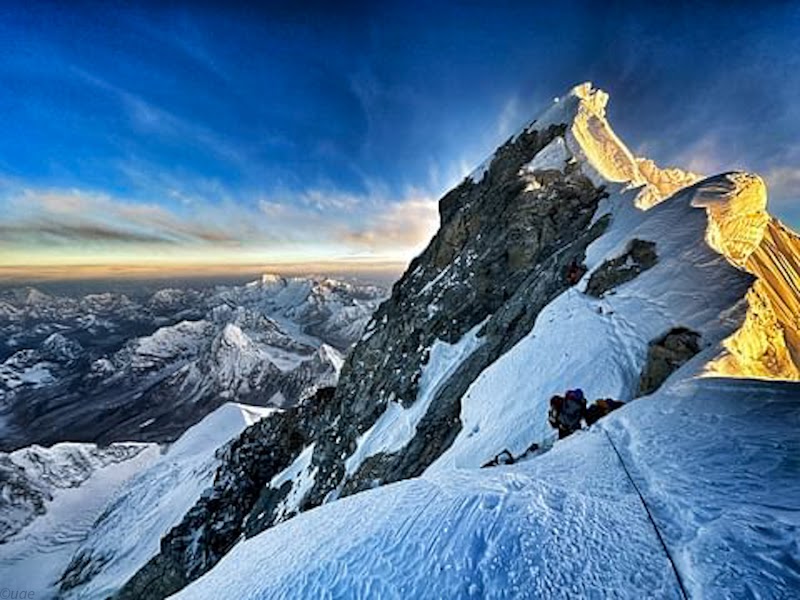
View Hiking Guide
Explore Guide →

Camping

### Journey Through the Majesty of Sagarmatha: Camping in Nepal's Stellar Highland Imagine stepping into the heart of Sagarmatha National Park, where the trails weave through the imposing shadow of the world's highest peak and the air is imbued with the sharp, crisp scent of Himalayan pine. This is not just a trek; it is an odyssey through one of Earth's most majestic landscapes, where the ice-capped pinnacles of Everest loom as eternal sentinels, silently watching over the emerald greens and azure blues of this natural sanctuary. Embarking on this adventure requires more than just physical preparation; it demands a harmonization of one's spirit with nature. The park, a UNESCO World Heritage Site, is a haven for both avid adventurers and nature enthusiasts seeking solace in the rugged beauty of Nepal's wilderness. Your journey commences in Lukla, a bustling gateway alive with the chatter of fellow trekkers and tinkling of souvenir shops, before you set foot on a path paved with history and challenge. The trek through Sagarmatha is not mere escapism but an immersive experience, where each step taken on the narrow paths and rocky terrains holds the promise of discovery. The climb begins with lush subalpine forests bridging the gap between the earthly and the ethereal. As the ascent continues, the air thins and temperatures drop, unveiling the high-altitude dreamscape bathed in resplendent sunlight. Here, amidst the anticipated challenge, lies the unparalleled view of Everest's mighty visage soaring against a backdrop of sky and cloud. Camping within the park’s pristine bounds offers not just a stay in nature but an intimate engagement with the environment. The nights are starlit tableaux, where constellations glimmer in the ink-black heavens, casting their glow upon traditional Sherpa villages and yak pastures. To tackle the capricious nature of mountain weather, campers should come prepared with gear that stands the test—a proper sleeping bag rated for cold temperatures and a four-season tent are indispensable. Equally important, dress in layers to shed or don as the temperature dictates, mindful to stay warm and dry. Beyond the breathtaking views, Sagarmatha National Park teems with a rich biodiversity. The call of the Himalayan monal dances on the winds, while snow leopards nimbly hide within craggy recesses, a silent challenge to spot. Yet, more than just spotting wildlife, the region invites deeper insights into the eco-cultural synergy that governs these high-altitude realms. Respect for local customs enriches the experience, ensuring a responsible stewardship of this fragile environment. For the climbing enthusiasts, Sagarmatha presents more than its titular giant. Surrounding peaks offer challenging ascents with varied terrains. These rocks await your grip and determination, offering a myriad of routes that test both skill and spirit against their rugged faces. Each handhold brings you closer to the clouds, an embrace of granite and ice that rewards with sweeping panoramas of the valley below. Hydration, a constant companion on this journey, is crucial; carry water purification tablets or a filter, as natural sources are abundant but require care. Equally, pacing and acclimatization are vital—allow your body to adapt to the reduced oxygen levels to avoid altitude sickness. Sagarmatha National Park extends an invitation wrapped in challenge and beauty. It is a call to the adventurer's heart, a siren song of ice and rock, where the spirit of the Himalayas whispers through the serrated edges of its towering zeniths. Here in this illustrious sanctuary, every breath drawn is enriched by the rarefied air of adventure, etching memories as timeless as the mountains themselves.

View Camping Guide
Explore Guide →

Wildlife Viewing

**Exploring the Wild Heart of Sagarmatha National Park: A Journey Through Nepal's Pristine Wilderness** Journey to the heart of the world's highest peaks, where the majesty of Sagarmatha National Park awaits, offering a canvas of adventure and untamed beauty. This haven in the Himalayas is not just a feast for the eyes but a sanctuary for unique wildlife. High above the bustle of everyday life, Sagarmatha calls to adventurers with its crisp mountain air and a wild landscape stretching as far as the imagination allows. Here in the shadows of Mount Everest, thrill-seekers and nature enthusiasts alike find a paradise of unspoiled nature ready to be discovered. Begin your exploration at the gateway village of Namche Bazaar, where tradition meets the pulse of modernity. As you continue your ascent, the path twists through the vibrant rhododendron forests, aflame with color during spring, and transitions into the ethereal quietude of alpine meadows. These trails, worn smooth by generations of yaks and explorers, lead adventurers deeper into the park’s soul. The terrain varies as dramatically as the vistas, from gentle woodland paths to rugged, rock-strewn trails, ensuring that each step is as thrilling as the last. Heartbeats quicken as towering pine forests give way to the vast, open skies of the subalpine zone. It's here, amid scattered juniper and dwarf rhododendrons, where keen eyes may spot the elusive snow leopard, prowling quietly in its domain. Overhead, the Lammergeier vulture soars effortlessly, painting shadows across the snow-dusted ground, while the melodious songs of Himalayan Monals resonate through the crisp air, keeping company those who venture this far. Practicality is key on this adventurous path. Whether you're observing the agile blue sheep clinging to sheer rock faces or catching a glimpse of red pandas peering curiously from bamboo thickets, preparation is essential. The weather up high commands respect; panoramic beauty often belies the harsh conditions it was born from. Packing smart, with layers suitable for fluctuating temperatures, high-calorie snacks, and plenty of hydration, will ensure a more enjoyable exploration of Sagarmatha’s wonders. The Thame Valley rewards with sweeping 360-degree views, a humbling reminder of nature's scale, where the towering peaks of the Himalayas stand sentinel. Each sunrise casts new shades upon these ancient giants, inviting the early riser to witness the dance of light and shadow. Here, at one with the elements, is where many adventurers find themselves rediscovering the quiet places within. Embarking on a wildlife trek in Sagarmatha is as much about the journey inward as it is a physical exploration. The magnetic draw of this place lies not only in the lure of its heights but in quiet moments found along bustling riversides, where the icy blue waters cut through rock-strewn landscapes, challenging yet inviting reflection. The experience is punctuated with reverent vistas and scattered encounters with nature that linger like tales well-told. Every adventurer should experience the hum of activity in the bustling Sherpa villages that punctuate the park. These communities, guardians of traditions intricately linked to the rhythms of nature, offer respite and warmth. Here, by fireside glow, travelers share tales—of what they’ve seen, what they’ve conquered, and what remains to explore. Sagarmatha National Park is more than just a destination; it is an invitation to witness the raw, untarnished beauty of the world, an opportunity to be humbled by the majesty of its landscapes and creatures alike. This is where preparation meets wonder, a realm where adventurous spirits find the joy of the wild and return with stories etched into their hearts forever. Pack your gear wisely, embrace the adventure, and let Sagarmatha embrace you in its rugged grace.

View Wildlife Viewing Guide
Explore Guide →

Photography

# Into the Majesty of Sagarmatha: An Adventurer's Photographic Odyssey ### Embarking through Sagarmatha National Park in Nepal is not merely a journey, but a passage into an ecstatic celebration of raw natural beauty that begs to be captured in photographs. Here, the landscapes breathe life into your senses with jagged peaks piercing the sky and valleys unfolding in infinite variations of green and gray. As you step onto the trails, cushioned by the ancient earth, a chill kisses your cheeks and the air, thin yet invigorating, fills your lungs. The orchestrated chorus of distant winds and gurgling streams sets the rhythm for your adventure, guiding you higher into the heart of the Himalayas. **Photography in the Heart of the Himalayas** Immersed in the magic of Sagarmatha, photographers are drawn to the world-famous vistas dominated by Mount Everest, or Chomolungma as it's locally known. It is not just about pointing and shooting; capturing the essence of these heights involves a dynamic dance of light and shadow as the sun plays across ice-carved crags and verdant terraces. Early risers can dance with the dawn, watching the first rays illuminate the snowy crown of Everest. The changing palette of the landscape with each passing hour is an artist’s dream, offering endless opportunities to compose breathtaking shots that immortalize this ethereal beauty. **Navigating the Trails: Practical Tips for Adventurers** Focus your adventure around the diverse trails weaving through the park. Routes vary from gentle pathways to challenging climbs, where experienced mountaineers test their skills against some of the most iconic climbs in the world. The trails offer a mix of terrain, from steep, rocky ascents to flat, forested areas—a delight for trekking enthusiasts and photographers alike. Along each path, villages offer welcoming rests with traditional Nepalese hospitality, inviting you to pause and absorb the culture simmering on the ledges of these great mountains. Hydration is paramount in such thin air; always carry ample water and replenish from fresh mountain streams using a reliable purification system. Footwear should be sturdy yet comfortable, as hours of walking demand support without sacrificing agility. Ideally, trekking gear must include layers to combat the swift changes in weather conditions common in high altitudes. **Capturing the Culture: Portraiture among the Peaks** As you turn your lens away from the majestic views, a tapestry of vibrant culture unfolds. The Sherpa community, with their rich traditions and warm smiles, adds depth to your photos and your journey. Engage with locals at the bustling market, where colors spill out of every stall offering handcrafted goods or a simple steaming bowl of dal bhat, a staple to fuel your exploration. Ask permission politely before taking portraits, as a respectful approach often results in more authentic, heartfelt images, capturing the essence of human life thriving in such an environment. **Planning the Expedition: Logistics and Guidelines** When planning a trip to Sagarmatha, timing is crucial for both weather and photography. The best windows for explorers generally fall between March-May and September-November, when the skies are clearer, and the trails more accessible. However, be prepared for the unpredictability of mountain weather, with sudden mists cloaking the vista or unexpected showers refreshing the path. Permits are essential for entry into the park. Secure a TIMS card and a Sagarmatha National Park entry ticket, usually obtainable in Kathmandu or the park entrance in Monjo. Additionally, while navigating such a popular yet remote trekking area, a local guide’s expertise can be invaluable in ensuring safety and gaining deeper insight into the region's intricacies. **Conclusion: An Unforgettable Expedition** Our encounters with Sagarmatha National Park lead us through an arena where nature's grandeur plays both teacher and muse. Each photograph taken here tells a story of adventure, culture, and the indefinable spirit of one of the world's most awe-inspiring wonders. Whether you’re a seasoned photographer seeking to capture the soul of Everest, or an avid trekker craving the thrill of the trail, Sagarmatha invites you into an experience that transcends mere adventure, weaving history and nature into a living canvas for your lens and journey.

View Photography Guide
Explore Guide →

Scenic Drives

## Thrills and Tranquility: Scenic Drives through Sagarmatha National Park The breathtaking landscapes of Sagarmatha National Park offer an exhilarating fusion of natural grandeur and serene escapes. As your journey begins, the allure of the Himalayas greets you with their snow-clad peaks piercing the azure sky. The roads here are more than mere paths; they're exhilarating veins through a land that quivers with life and quiet majesty. Starting your exploration, the first stretch from Lukla winds its way through rising expanses where every bend unfolds a new spectacle. The air is crisp and invigorating, carrying whispers of distant winds and the earthy aroma of pine and juniper forests. These thriving woodlands are a vibrant gallery showcasing the dynamic pulse of the mountains, where the flutter of prayer flags adds splashes of color that dance like playful spirits in the wind. Plan your timing well; mornings are clad in a silvery mist that gradually burns away, revealing the mountains in all their glory under the relentless sun. It's wise to carry a reliable map and ensure your vehicle is well-fueled and fitted for rugged terrain. Though the roads can be challenging, the views they promise are their own reward, with dramatic cliffs that defy gravity and valleys that dip into luscious green carpets below. As you progress deeper into the park, make your way toward Namche Bazaar. This bustling Sherpa hub, perched high on the slopes, presents a perfect spot to pause and immerse in the vibrant cultures that call this land home. The local markets are a feast for the senses, offering everything from handcrafted woolen goods to hearty Himalayan cuisine that both fills and fuels. The drive continues onward into the heart of Khumbu valley, where the towering presence of the Everest massif looms in the backdrop. The peaks here are not just sights to behold but characters in their own right, with moods that shift from tranquil luminescence in the early hours to fiery intensity during sunset. It's a view that commands respect, a silent reminder of nature's grandeur and human perseverance. For those craving action beyond the wheel, the hillsides invite with the promise of trekking paths that zigzag through the clouds, drawing you deeper into the planet's rooftop. The climbs might be tough, but each step offers an opportunity to engage with the landscape in a more intimate way, as the rocks and winds cater to your adventurous spirit. Keep an eye out for the wildlife thriving in this alpine sanctuary—a myriad of unique avian species flit between the trees, while elusive snow leopards and red pandas lurk in the shadows. Binoculars become a worthwhile companion on this journey through a place where nature still holds sway as the ultimate sculptor. Wrapped in the embrace of these ancient mountains, every drive through Sagarmatha National Park is a brush with the surreal. From the raw power and poise of Everest to the small intricacies of Sherpa life, each experience weaves together an unforgettable narrative. Prepare thoroughly, arrive open-hearted, and leave a piece of your soul amidst these towering monuments of stone. Here, adventure and introspection are not destinations but journeys shared under the Himalayan sky.

View Scenic Drives Guide
Explore Guide →

Climbing

**Exploring the Majestic Heights of Sagarmatha National Park: An Adventurer's Odyssey** Standing under the vast sky, where the heavens paint cerulean blue canvases, lies the breathtaking Sagarmatha National Park, a sanctuary for climbers and adventurers alike. Here, the jagged peaks of the Himalayas rise like titans from distant fables, their snowy crowns grazing the very edge of the world. As you begin your journey, the ancient trails weave through landscapes etched with time, each step carrying you further into a realm where the earth meets the sky. Each expedition in Sagarmatha reveals a panorama that dazzles the spirit. The softly whispering pines flank rugged paths, where the crisp air carries with it the murmurs of distant avalanches and the roars of icy rivers challenging you at every turn. With a sense of anticipation lingering in the air, every climber must heed the practicalities of this rugged terrain. Make no mistake—the park is both an adventure and a challenge, demanding both respect and preparation. As you embark on your ascent, the elevation gain demands your attention; your lungs adapt as the oxygen thins. It's imperative to pace your climb appropriately, allowing your body the grace it needs to adjust to this rarefied atmosphere. The terrain varies from steep, rocky inclines to narrow ridges that test your mettle, each bend revealing a landscape etched by the hands of time itself. Footwear must be chosen with the utmost care. Sturdy boots with reliable grip become your closest allies, as the path, though inviting, is relentless. Carrying extra layers is a necessity, for the weather here dances to its own rhythm, shifting from warmth to a biting chill with little notice. As the mountain permits no liberties, sufficient hydration and sustenance become vital; each drop of water becomes as valuable as the views that unfold before you. While the logistics are paramount, the emotional tapestry of the trek lies in the sensory symphony of Sagarmatha itself. The chatter of native birds resonates in the crisp afternoon air, a prelude to the visual feast that awaits. Views from passes like Renjo La and Kongma La unveil sweeping vistas where the peaks of Lhotse, Nuptse, and the peerless Everest command attention. Here, the majestic crags and snow-draped giants peer into infinity, offering an unspoken camaraderie to every traveler daring enough to reach their heights. Alongside these awe-inspiring sights, you will encounter ancient Sherpa villages clinging to mountainsides, where paths buzz with stories woven by generations of mountaineers. Experience the warm hospitality of the local people, delicacies shared around crackling hearths, forging connections as enduring as the landscape itself. Respectful engagement with these vibrant cultures ensures a rich exploration beyond the physical journey. As daylight fades to dusk, and the mountain breeze cools to an icy calm, the sensation of triumph that accompanies summiting is matched by a profound humility. Sagarmatha, after all, is more than a park—it is an embodiment of nature's raw, unbridled spirit. Here, adventure and practicality are inseparable, weaving together an experience that enriches the soul while challenging the body. Embrace the challenge, prepare diligently, and let Sagarmatha National Park unravel its panoramic majesty, one step at a time. With each stride, you take part in the timeless adventure etched in the heart of the Himalayas. Welcome, adventurer—your odyssey begins.

View Climbing Guide
The Ranger Station

Visitor Logistics & Essential Planning

Everything you need to know about entrance passes, seasons, visitor centers, road transit, and wildlife safety in Sagarmatha National Park.

Passes & Fees

Entrance Requirements & Interagency Passes

Permits required include Sagarmatha National Park Permit and TIMS card.

Wilderness Checklist

Carry paper topographic map & compass in remote zones.
Store all food and scented items in approved bear canisters.
Check wildfire / smoke advisories before backcountry departure.
Pack out everything you pack in (Leave No Trace).
Wilderness Stays

Camping & Overnight Stays in Sagarmatha National Park

Frontcountry developed campgrounds, backcountry wilderness permit guidelines, and starry-night camping advice.

Wilderness & Developed Camping Regulations

Camping is one of the most rewarding ways to experience Sagarmatha National Park. Most frontcountry campgrounds require advance reservations on Recreation.gov during peak season, while backcountry camping requires a wilderness permit and certified bear-resistant food canisters.

Find Campgrounds on Recreation.gov
Adventure Basecamps

Gateway Towns Near Sagarmatha National Park

Stay, dine, and gear up in these mountain towns and scenic desert basecamps surrounding the park.

Lukla, Nepal, Nepal
Gateway Basecamp

Lukla, Nepal, Nepal

Lukla is a high-altitude mountain town known as the gateway to Everest treks. Outdoor lovers come here to fly a famously challenging airport runway, then hit epic trails through the Himalayas. It offers an unforgettable blend of adventure and Sherpa culture.

Late Spring (March to May) and Autumn (September to November)Explore Town