Theodore Roosevelt National Park wilderness guide
National Park · ND
Hiking Guide

Theodore Roosevelt National Park

Theodore Roosevelt National Park features stunning Badlands terrain juxtaposed with diverse wildlife, offering a pristine glimpse into the natural beauty of North Dakota.

National Park70,4464+ Trails

Designation

National Park

Total Wilderness Area

70,446

Elevation / Terrain

Diverse Wilderness

Field Editorial Guide

About Theodore Roosevelt National Park

Theodore Roosevelt National Park features stunning Badlands terrain juxtaposed with diverse wildlife, offering a pristine glimpse into the natural beauty of North Dakota.

Wilderness Landscape & Natural Heritage

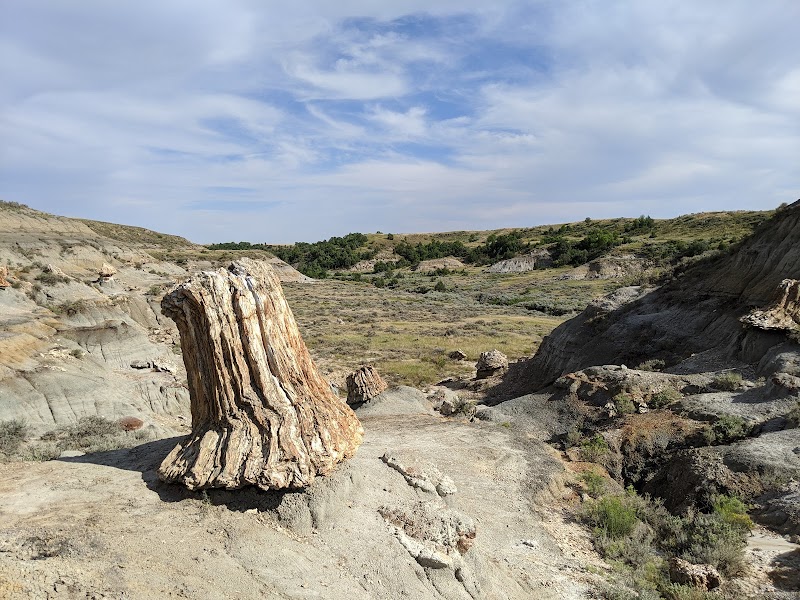
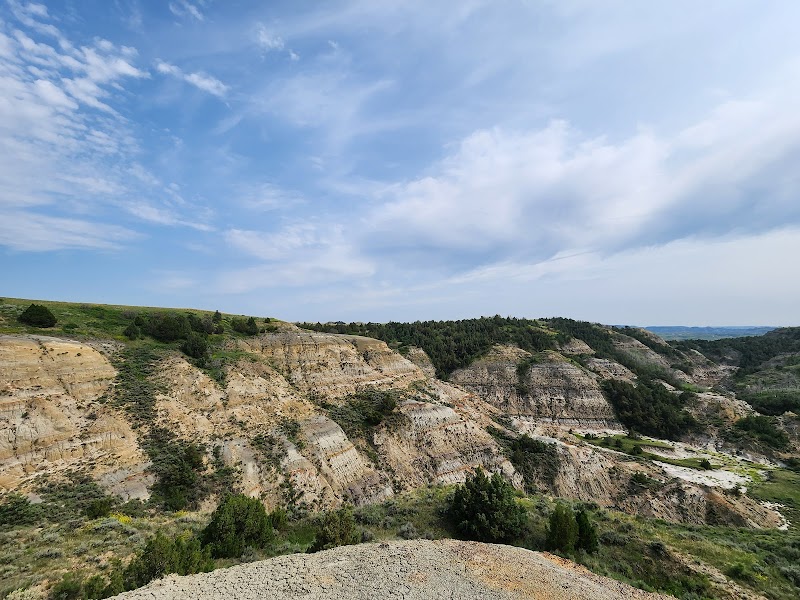
Theodore Roosevelt National Park is located in the rugged Badlands of western North Dakota, famed for its dramatic landscapes of layered rock formations, expansive prairies, and winding rivers. Encompassing over 70,000 acres, the park is divided into three units: the South Unit, North Unit, and the Elkhorn Ranch Unit, each offering unique vistas and historical insights. It was named after the 26th President of the United States, Theodore Roosevelt, whose adventures in the region were instrumental in inspiring his conservation efforts. The park is rich in wildlife, with bison, prairie dogs, elk, wild horses, and an array of bird species being frequent sights. Popular activities include hiking through scenic trails, enjoying backcountry camping, and exploring the Little Missouri River. Key landmarks include the Painted Canyon, providing sweeping views of the Badlands, and the petrified forest area, where ancient trees have turned to stone. The park's stark yet captivating geography and its well-preserved ecosystems make it a favorite for outdoor enthusiasts and nature photographers alike.

Exploring the Untamed Wonder of Theodore Roosevelt National Park

Imagine stepping into the wild, untamed beauty of Theodore Roosevelt National Park, where the rugged Badlands touch the sky and curious wildlife roams freely across 70,000 acres of preserved wilderness. Located in the vibrant heart of North Dakota, this park offers a captivating journey through sprawling prairies, dramatic rock formations, and the winding passages of the Little Missouri River. Established in 1978 in homage to the pioneering conservation efforts of the 26th President of the United States, the park invites adventure seekers to uncover its hidden treasures while embracing the call of the wild.

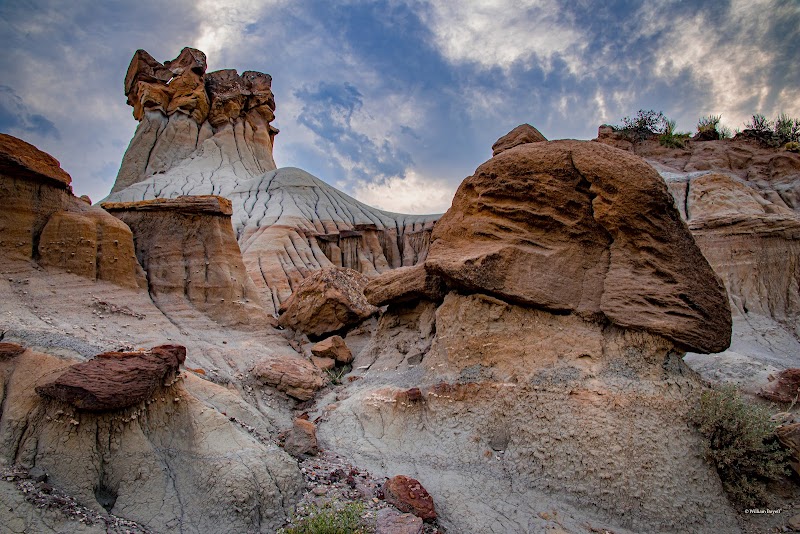
The park is divided into three distinct units: the South Unit, North Unit, and Elkhorn Ranch Unit, each offering its own narrative told through awe-inspiring vistas and historic echoes. The South Unit embraces visitors with the mesmerizing Painted Canyon Nature Trail, where the earth bursts into a palette of vibrant hues. Nearby, the 36-mile scenic loop road offers an unforgettable drive across a landscape teeming with bison and wild horses, set beneath wide open skies. In the North Unit, the Caprock Coulee Trail tempts adventurers with its immersive views of striking rock formations and promising encounters with nature's inhabitants.

If history calls your spirit, then the Elkhorn Ranch Unit serves as a pivotal touchstone, harkening back to the days of Theodore Roosevelt's profound connection to this land—an experience that would ultimately shape the nation's approach to conservation. Take a moment to stand where Roosevelt's cabin once stood and imagine the courage and vision embedded in each element of this natural cathedral.

Theodore Roosevelt National Park is a haven for hiking enthusiasts, with over 100 miles of trails inviting exploration at every turn. Not to be missed is the Petrified Forest Loop, a moderate 10.3-mile hike that unveils ancient trees turned to stone, serving as nature's timepieces. For a lighter journey, the Boicourt Trail offers a brief, mile-long walk along a ridge, showcasing sweeping panoramic views that capture the heart as much as the sight.

Camping here immerses you further into the wild. Secure a spot at Cottonwood Campground to enjoy convenient access to the park's amenities and trails in the South Unit, or seek solitude amidst nature's symphony at the Juniper Campground in the North Unit, where advanced reservations are less of a concern.

Each season brings its own character to the park. Spring and fall offer temperate weather perfect for hiking and wildlife viewing, with fewer visitors to share the scenery. Be sure to pack a pair of binoculars to enhance those breathtaking observational moments. During summer, make sure to stay hydrated as temperatures can soar beyond 90°F, while winter adventurers should prepare for temperatures that regularly dip below freezing.

With visitor centers in both Medora and near Watford City, preparation and guidance for your journey across the Badlands are close at hand. The park stands accessible via Interstate 94 and U.S. Highway 85, though keep in mind that some roads might close during winter months. Whether you arrive during the tender embrace of spring blossoms or the quiet depths of fall, an encounter with Theodore Roosevelt National Park is one of both awe and inspiration—a testament to the resilient beauty of unbridled nature.
Field Guide · National Park

Notable Landscape Features

Iconic geological landmarks, alpine vantage points, and distinctive ecosystems in Theodore Roosevelt National Park.

Feature 1

Painted Canyon

A notable overlook providing expansive views of the colorful Badlands.

Feature 2

Elkhorn Ranch

Site of Theodore Roosevelt's ranch cabin, offering historical insight into his early years and conservation legacy.

Feature 3

Oxbow Overlook

A breathtaking vantage point highlighting the winding Little Missouri River and surrounding terrain.

Key Wilderness Highlights

Painted Canyon Nature Trail offers spectacular views of the Badlands.Wildlife viewing opportunities, particularly bison and wild horses.The petrified forest displays remnants of ancient trees, a unique geological feature.The scenic drive along the South Unit's 36-mile loop road.
Iconic Trails & Natural Landmarks

Top Trails & Sights in Theodore Roosevelt National Park

Discover summit paths, alpine loops, and natural wonders within this protected wilderness.

Moderate10.3 miles

Petrified Forest Loop

Highlights include petrified logs and expansive views of the Badlands.

Moderate4.3 miles

Caprock Coulee Trail

Features striking rock formations and opportunities for wildlife viewing.

Easy1.0 mile

Boicourt Trail

A short, scenic walk offering panoramic views of the surrounding landscape from a ridge.

Easy1.1 miles

Painted Canyon Nature Trail

A loop trail providing insights into the ecosystems of the park along with stunning overlooks.

Wilderness Recreation

Outdoor Adventures in Theodore Roosevelt National Park

Explore curated guides for top outdoor sports, trail networks, and wilderness activities.

Activity Spotlight

Hiking in Theodore Roosevelt National Park

View Full Park Guide

Theodore Roosevelt National Park offers exceptional terrain and routes for hiking, featuring established access paths, scenic vistas, and protected wilderness territory.

Other Activities in Theodore Roosevelt National Park:CampingWildlife ViewingPhotographyScenic Drives
Explore Guide →

Hiking

# Discovering the Wild Heart of Theodore Roosevelt National Park: An Adventure Awaits Theodore Roosevelt National Park is a realm where the rugged beauty of the Badlands unfolds like a giant canvas, inviting adventure seekers to step into its raw embrace. Spanning over 70,000 acres in western North Dakota, this park offers an exhilarating escape into nature's untouched splendor, where stunning vistas and diverse wildlife create a living landscape of both beauty and challenge. As you set foot on the hiking trails, each step whispers the promise of discoveries waiting to be made. The landscape transforms dramatically around you—rolling hills become steep buttes, and the earth's colors shift from sun-baked ochre to deep, rich greens. The Mystic Trail, winding through the park, stirs the senses as it leads you through sage-scented flatlands and past towering rock formations—each one a silent witness to the passage of time. With an elevation gain of about 600 feet, this moderate hike winds through the heart of the park, offering panoramic views that stretch for miles—a reward for your efforts manifesting in breathtaking vistas. Bring your camera and cherish the sweeping skies that seem to echo the park’s history as you hike the trails like the Caprock Coulee Trail, which meanders along the edges of striking cliffs. There, you can almost feel the spirit of Teddy Roosevelt himself, champion of conservation and advocate for the wild, pushing you onwards and upwards. At 3.5 miles round trip, this path is an accessible entry for hikers of all levels, leading to a magnificent overlook where the Little Missouri River carves its way through the landscape below, daring you to explore its banks. Wildlife is everywhere—a vibrant array of species calls this park home. Bison roam the plains like ancient giants, their presence a reminder of the land's primal past. Keep your eyes peeled for pronghorns bounding in the distance, or the sharp silhouette of a hawk soaring overhead. Early mornings, when the air is cool and crisp, tend to be the best time for wildlife watching, so plan your hikes accordingly to witness nature in its most dynamic state. Hydration and the right gear are key to enjoying your experience. As you prepare for your journey, ensure you pack plenty of water, especially if you plan to tackle one of the longer trails. Sturdy footwear is essential; the terrain can shift from soft grass to rocky paths in mere moments. Consider lightweight, moisture-wicking clothing that will keep you comfortable and dry, allowing you to focus entirely on the experience rather than the discomfort that can accompany under-preparation. Moreover, timing your hikes can make all the difference. Visiting in the spring or fall reveals a softer palette of colors, where wildflowers bloom or autumn leaves dance on the wind, adding character to the already extraordinary scenery. Summer offers longer days but be prepared for the heat; early morning or late afternoon hikes will provide cooling relief and spectacular light for stunning photographs. As you traverse Theodore Roosevelt National Park, you are not merely a visitor; you become part of its enduring narrative, a witness to the interplay between land and sky, wildlife and trail, past and present. Each hike, whether a leisurely stroll or a brisk ascent, allows for connection to the natural world—an adventure ripe with opportunities for reflection and exhilaration. Embark on this journey not just with your feet but with your heart open to all the vistas and wildlife that await. Let Theodore Roosevelt National Park be your playground and classroom, inviting every hiker to discover why this expansive landscape has long been regarded as one of North Dakota's crown jewels. With every breath of crisp, clean air, immerse yourself in a vibrant celebration of the wild, where adventure and practicality coexist beautifully.

View Hiking Guide
Explore Guide →

Camping

# Discover the Untamed Spirit of Theodore Roosevelt National Park: Your Ultimate Camping Adventure Awaits As dawn breaks across Theodore Roosevelt National Park, the golden light spills over the rugged badlands and vibrant prairies, beckoning adventurous souls to explore this untouched wilderness. This remarkable expanse, steeped in history and natural beauty, is not merely a destination but a call to the wild, promising an unforgettable camping experience that connects you not only with nature but with the legacy of one of America’s most beloved presidents. The park sprawls over 70,000 acres, showcasing an impressive variety of landscapes that thrill and inspire. As you set up your tent in one of the park’s campgrounds, you’ll find yourself encompassed by the aromatic embrace of juniper and sagebrush, with the distant howl of coyotes and the rustle of grasslands reminding you that you’re part of a living, breathing ecosystem. The park offers two main campgrounds: Cottonwood Campground, perfect for those seeking easy access to trails and the stunning Little Missouri River, and the more remote Juniper Campground, ideal for those wanting a more secluded experience amid stunning, rugged vistas. Before you embark on your journey, ensure you’re well-prepared. Check the weather, which can shift rapidly in North Dakota, and don layers to embrace the fluctuating temperatures. Sturdy footwear is essential for navigating the park’s trails, which vary from easy strolls along the river to challenging hikes that lead you through striated rock formations. Don’t forget your hydration system; the dry climate can dehydrate you quicker than you might expect. As you wander the park’s extensive trail network, be sure to take in the sights and sounds around you. The Sweetgrass Trail offers a welcoming introduction, winding through mixed-grass prairie where bison roam and prairie dogs play, their playful chirps filling the air. Pause to enjoy the sight of wildflowers bending in the breeze, while birds flit above, filling the sky with color and song. Your senses come alive as the earthy scent of the land mingles with the crisp air, grounding you in this spectacular landscape. For those seeking an adrenaline rush, the park’s rugged formations offer various rock climbing opportunities. While the rugged cliffs may be intimidating, each ascent rewards you with unparalleled views that stretch beyond the horizon. Whether you’re a seasoned climber or just a curious beginner, the raw natural beauty of the park's features will entice you to reach new heights. As evening descends and the sky transforms into a canvas of stars, don’t miss the opportunity to witness a mesmerizing night sky that’s often clouded by city lights elsewhere. Camping under the stars in Theodore Roosevelt National Park invites a sense of peace and wonder that’s rare in our fast-paced world. Gather around the campfire to share stories, savor roasted marshmallows, and reflect on the day’s adventures as the stars twinkle like distant campfires of eternal explorers. Wildlife is a prominent aspect of the park’s allure; keep an eye out for elk, deer, and the elusive golden eagle as you settle into your camping spot. The Wildlife Loop Road provides a fantastic vantage point, making it an easy trip for families or those looking to experience the park from the comfort of their vehicle while still enjoying the thrill of spotting nature. Equipped with this essential guide, you are now ready to embrace the adventure waiting for you in Theodore Roosevelt National Park. Whether visiting for a weekend or embarking on an extended journey, this park promises an experience that’s as enriching as it is exciting. Every trail, every climb, and every moment spent under the stars will etch unforgettable memories into your soul. Prepare well, travel with respect, and let the spirit of “Teddy” invite you to connect with the wild heart of North Dakota.

View Camping Guide
Explore Guide →

Wildlife Viewing

# Unleash Your Spirit of Adventure: Wildlife Viewing in Theodore Roosevelt National Park Welcome to the rugged beauty of Theodore Roosevelt National Park in North Dakota, a land where the wild wind whispers secrets of the past and the landscapes seem to stretch into eternity. Here, the earth rises and falls in a dramatic dance, revealing undulating hills, rugged badlands, and sprawling prairies teeming with life. Let your sense of adventure awaken as this majestic park invites you to witness its diverse wildlife in their natural habitat. As you step into the heart of Theodore Roosevelt National Park, prepare to encounter an array of wildlife that embodies the spirit of the American West. The park is home to an impressive variety of animals, and each encounter offers a unique glimpse into nature’s exquisite pageantry. Look closely and you might spot herds of bison grazing lazily on the horizon, their massive forms etched against the golden backdrop of sun-kissed prairies. These gentle giants roam freely, a living connection to the rugged era that inspired President Roosevelt’s conservation efforts. The park’s rolling expanses are also alive with the playful antics of prairie dogs, their cheerful barks echoing through the air as they dart in and out of their burrows. Spend a moment in their burrow-laden town and witness their complex social interactions—an everyday drama played out on the stage of the great outdoors. Keep your eyes peeled for the swift movement of coyotes and the regal stance of the park’s iconic American elk, which can often be seen gracefully navigating the hillsides. Timing your visit is crucial for an optimal wildlife experience. Early morning or late afternoon are prime viewing hours when the animals are most active. But don’t forget to bring along essentials for your trek. Pack a lightweight binocular for up-close scrutiny of far-off herds, and if you're keen on photography, a Zoom lens can help capture both intimate details and sweeping landscapes. Hydration is vital: carry a reusable water bottle to ensure your energy stays high as you explore, and wear sturdy footwear to tackle the rugged terrain without a hitch. The most unique aspect of Theodore Roosevelt National Park is its embrace of diverse ecosystems, each offering different opportunities for sightings. Venture along the winding pathways of the South Unit, where the badlands reveal their colorful strata that beckon adventurous souls to explore. Along the scenic River Road, you can observe the confluence of the Little Missouri River and the striking landscapes that frame it, often alive with the calls of various bird species, including the elegant red-tailed hawks soaring overhead. Another rewarding experience awaits in the North Unit, where hiking trails wind through areas less frequented by visitors. This solitude allows for intimate encounters with nature, and you may find yourself in the serene company of wild mustangs or the elusive bobcat. Take a moment to pause, breathe in the raw, earthy scents, and revel in the soundscape of rustling leaves and distant animal calls—it’s a symphony that rejuvenates the spirit. As you navigate the park, remember to tread lightly and respect the wildlife that calls this extraordinary place home. Maintain a safe distance, as even the most seemingly docile animals can exhibit unpredictable behaviors. Using eco-friendly practices ensures that this natural wonder remains rich and thriving for generations to come. Theodore Roosevelt National Park is not just a destination; it’s an invitation to reconnect with the wildness within you. Each moment spent here is an opportunity for discovery, a reminder of the beauty that thrives just beyond the veil of civilization. So pack your gear, lace up your boots, and embark on an adventure that promises memories as timeless as the vast skies overhead. Nature awaits you with open arms, ready to share its wild heart.

View Wildlife Viewing Guide
Explore Guide →

Photography

# Capturing the Wild: A Photographer's Guide to Theodore Roosevelt National Park Theodore Roosevelt National Park, with its rugged terrain and striking layers of color, stands as a captivating canvas for photographers eager to immortalize the essence of the North Dakota badlands. Encompassing over 70,000 acres of sprawling landscapes, the park invites you to embark on a visual adventure where every twist in the trail leads to another breathtaking vista and every sunrise casts a golden hue on the storied plains. As you set foot on the trail, the air is crisp, tinged with the earthy scent of sagebrush and the subtle whispers of the wind passing through the towering rock formations. The park boasts a diverse range of scenery—from dramatic buttes to open prairie and the winding Little Missouri River that boldly carves its path through the rugged terrain. Each step you take unveils a new perspective to frame within your camera’s lens. For the aspiring photographer, timing is crucial. Early mornings or late afternoons—the golden hours—bathe the landscape in soft yet vibrant light, illuminating the intricacies of the land. It's during these times that the dramatic shadows play against the sculpted earth, revealing textures lost in the harsh midday sun. Arriving at sunrise means encountering the park as it stirs to life, with deer grazing peacefully and layers of mist swirling above the valleys, offering opportunities for wildlife photography that seem almost surreal. The park’s North and South Units each offer unique views that are perfectly engineered for the lens. The South Unit, with its sweeping vistas, is perfect for panoramic shots looking over the Painted Canyon, where the hues of red, orange, and gold dance harmoniously with the deep blues of the sky. Meanwhile, the North Unit charms with its rugged backroads and solitude, perfect for capturing the essence of solitude amid nature. Take the time to explore the shorter trails, which showcase intimate glimpses of wildflowers swaying gently in the breeze, inviting macro photography enthusiasts to capture intricate textures and colors. While you’re at it, keep your eyes peeled for the park’s diverse wildlife. From bison, their massive forms lumbering across the horizon, to swift prairie dogs darting among the sagebrush, the fauna adds narrative depth to your photographic journey. Don’t hesitate to get close—while maintaining a respectful distance, of course—to capture the interplay of animals in their natural habitat, each glance towards the camera telling a story of survival and grace. As you plan your photographic expedition, practicality holds equal weight to inspiration. Ensure your gear is weather-ready; changing conditions can bring sudden storms, so a waterproof cover for your camera can save you from heartbreak. A sturdy tripod offers stability for long exposures during dusk or dawn, showcasing the ethereal beauty of the park's colors as they pulse with the setting sun. Hydration is key, especially as you traverse the exposed trails, where the sun can be relentless. Bring enough water along for your adventure and take frequent breaks to absorb the sights and sounds around you—it’s part of the excitement. Engage with the environment: listen for the rustle of leaves, watch as the clouds play against the vast sky, and feel the ground crunch underfoot. These details will enrich your experience and shine through in your photography. Prepare for every moment, and embrace the unpredictability of nature. One moment of sudden whimsy—a fleeting storm cloud overhead, perhaps, or sunlight breaking through in a dramatic burst—can yield striking photographs that tell stories of adventure and beauty. Theodore Roosevelt National Park awaits, inviting you on a photographic quest where every frame captures not just a likeness of the land, but the soul of the wild itself.

View Photography Guide
Explore Guide →

Scenic Drives

# Embrace the Wild: Scenic Drives of Theodore Roosevelt National Park Theodore Roosevelt National Park, where the prairie finds its voice against the backdrop of rugged badlands, beckons adventurous souls to traverse its scenic drives. Each turn reveals Earth’s raw artistry, sculpted by time and weather, and invites you not just to see—but to experience and feel every moment of your journey through this remarkable landscape. Begin your adventure at the South Unit, where the scenic loop unfurls across rolling hills dotted with vibrant wildflowers that sway in the breeze like nature’s very own confetti. Driving along this 36-mile route, the park’s rugged features will captivate you—shimmering buttes and striking cliffs rise boldly from the plains as if they were ancient guardians standing watch over the land. Keep an eye out for bison on the horizon; their massive forms seem to roam freely, embodying the spirit of this untouched wilderness. These creatures, along with elk and wild horses, invite you to pause and reflect on the untamed beauty that surrounds you. The road winds through colorful canyons and open fields, punctuated by outcrops that watch over you with stoic grace. Make sure to pull over at several viewpoints, where overlooks invite you to step out of your vehicle and into the embrace of the landscape. Here, you’ll experience the gentle caress of the wind against your skin as the sun casts golden rays upon the painted ridges. Allow the sounds of the wind whispering through the grass and the distant calls of wildlife to ground you in the moment. For those seeking a more immersive encounter with nature, the North Unit offers an alternative route characterized by dramatic topography and less traveled paths. As you drive along the 14-mile scenic drive, the air buzzes with the perfume of sagebrush and the songs of larks. The road is flanked by valleys that plunge steeply into the badlands, showcasing a palette of colors that shift with the sun—from deep purples at dawn to fiery oranges as the day wanes. This route also brings opportunities for short hikes along its edges, leading you into the heart of the wilderness should the call of adventure summon you. Hydration and preparation are essential companions on your journey; the arid landscape can certainly surprise even the most seasoned travelers. Bring plenty of water and light snacks to sustain your energy, especially if you plan to venture beyond the car and into the trails. Sturdy footwear will enhance your exploration, providing traction as you navigate the rough ground and uneven terrain while chasing views that take your breath away. As the sun sets, the park transforms into a canvas of shadows, illuminating the formations in an ethereal glow. This is the moment when the mammals emerge to graze and the skies blaze with stars, creating a magical ambiance that invites nighttime exploration. Don’t forget to bring binoculars for stargazing; the darkness here is accompanied by a dazzling display of constellations that connect you to the cosmos in a way that urban lights ever obstruct. Planning a trip to Theodore Roosevelt National Park is more than a scenic drive—it's an opportunity to connect with the rugged spirit of the American West and witness the beauty of a landscape that has remained relatively untouched. Whether you are winding through the South Unit’s colorful badlands or adventuring through the North Unit’s dramatic vistas, remember that every mile traveled is a step deeper into the heart of the wild—a journey that undoubtedly enriches the soul.

View Scenic Drives Guide
The Ranger Station

Visitor Logistics & Essential Planning

Everything you need to know about entrance passes, seasons, visitor centers, road transit, and wildlife safety in Theodore Roosevelt National Park.

Passes & Fees

Entrance Requirements & Interagency Passes

Entrance fee required or valid National Parks pass.

Wilderness Checklist

Carry paper topographic map & compass in remote zones.
Store all food and scented items in approved bear canisters.
Check wildfire / smoke advisories before backcountry departure.
Pack out everything you pack in (Leave No Trace).
Wilderness Stays

Camping & Overnight Stays in Theodore Roosevelt National Park

Frontcountry developed campgrounds, backcountry wilderness permit guidelines, and starry-night camping advice.

Adventure Basecamps

Gateway Towns Near Theodore Roosevelt National Park

Stay, dine, and gear up in these mountain towns and scenic desert basecamps surrounding the park.

Medora, North Dakota, ND
Gateway Basecamp

Medora, North Dakota, ND

Medora, ND, offers thrilling access to Theodore Roosevelt National Park, the Maah Daah Hey Trail, and the iconic Medora Musical. Perfect for adventurers seeking unique encounters with nature and history.

Summer and FallExplore Town
Watford City, North Dakota, ND
Gateway Basecamp

Watford City, North Dakota, ND

Watford City offers an adventure in the heart of North Dakota's Badlands. With opportunities for hiking, wildlife viewing, and camping, it's an ideal spot for those seeking an outdoor escape.

Summer and FallExplore Town
Dickinson, Texas, ND
Gateway Basecamp

Dickinson, Texas, ND

Dickinson, Texas offers a peaceful coastal escape with kayaking, birding, fishing, and biking around Galveston Bay. Ideal for nature lovers seeking serene water adventures and local wildlife sightings.

Fall through SpringExplore Town