Wilderness Landscape & Natural Heritage
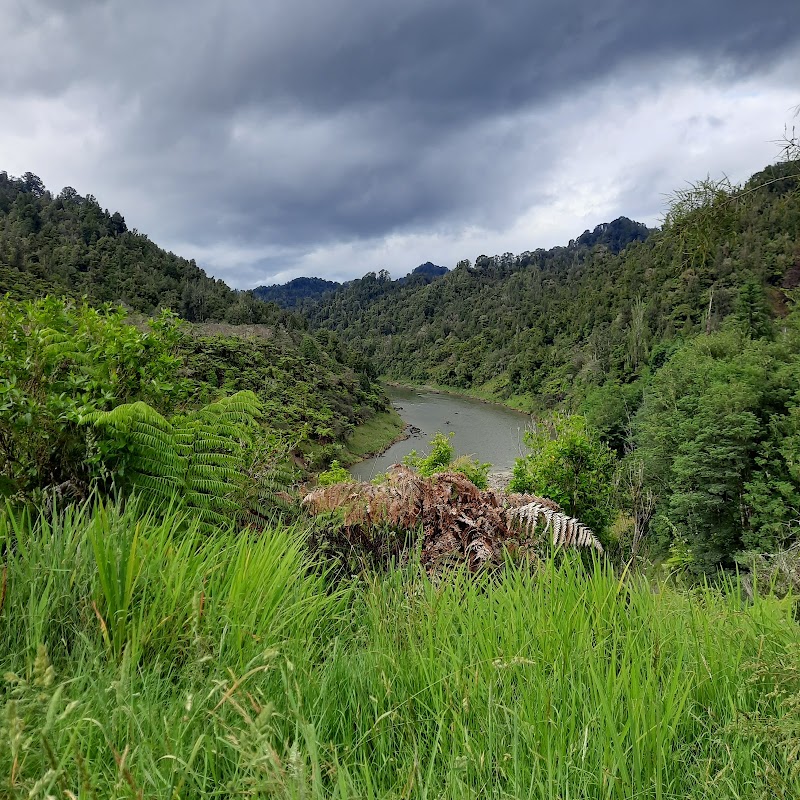
Whanganui National Park, established in 1986, is located in the central North Island of New Zealand. It covers 155,000 acres of dense rainforest and features the Whanganui River, New Zealand's third-longest river, which is both a geographical landmark and an essential part of Māori history and culture. The park's diverse ecosystems support native flora and fauna, including the distinctive nikau palms and rare bird species like the blue duck (whio). The area offers a range of recreational activities, such as hiking, canoeing, and jet boating along the Whanganui River. Historical landmarks include the Bridge to Nowhere, an iconic abandoned bridge symbolizing the area's rugged past of remote farming settlements. Whanganui National Park is a compelling destination for visitors interested in both natural beauty and Māori cultural connections, providing serene landscapes alongside narratives of New Zealand’s pioneering past.