Wilderness Landscape & Natural Heritage
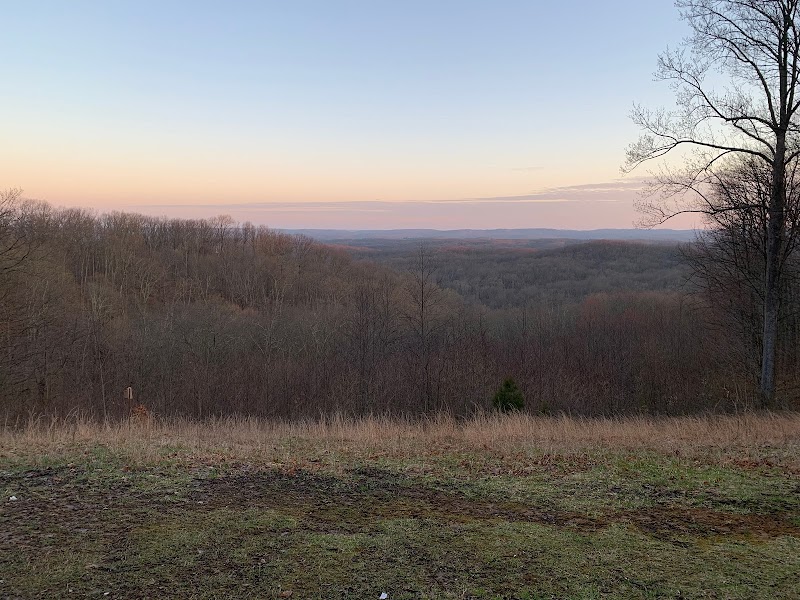
Big Bone Lick State Historic Site, located in northern Kentucky near the Ohio River, is one of the most important paleontological and archaeological sites in the United States. Known as the "Birthplace of American Vertebrate Paleontology," it contains salt springs that attracted Ice Age animals such as mammoths, mastodons, and giant sloths. The site spans nearly 300 acres and includes fossil beds, wetlands, woodlands, and grasslands. Visitors can explore several miles of maintained trails that offer views of recreated salt springs and fossil excavation areas. The state historic site also features an education center with exhibits detailing the natural history and early discoveries of Pleistocene megafauna bones. Beyond its scientific importance, the site provides excellent opportunities for birdwatching and hiking in a quiet, scenic setting. Recreational features include picnic areas and seasonal programs that educate about the area's rich prehistoric past and natural environment. Big Bone Lick is historically significant as a landmark used by Native Americans and early European explorers. It is still a working quarry where rare fossils have been uncovered. The presence of salt licks draws white-tailed deer and other wildlife, enhancing the outdoor experience. Visitors gain insight not only into ancient life but also into ongoing conservation efforts preserving diverse habitats adjacent to the Ohio River corridor. The site is a compelling destination for families, history enthusiasts, paleontology buffs, and outdoor adventurers seeking a combination of education and nature.