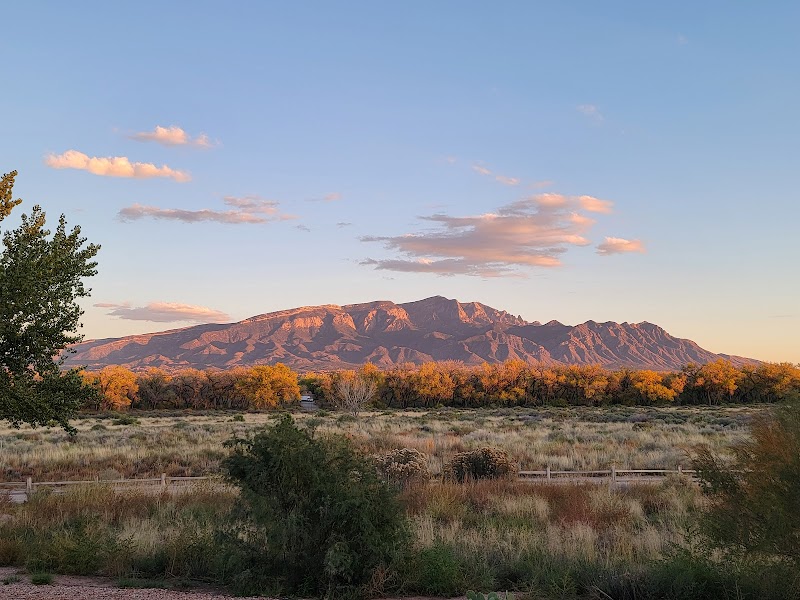
Wilderness Landscape & Natural Heritage
The Connecticut River Conservancy Protected Corridors encompass key lands and waterways along the Connecticut River, which flows over 410 miles from the Canadian border in New Hampshire and Vermont southward to Long Island Sound in Connecticut. This protection effort spans across four states — Vermont, New Hampshire, Massachusetts, and Connecticut — preserving an expanse of riparian forests, wetlands, floodplains, and farm fields that maintain water quality and support diverse ecosystems. The corridors protect habitat for several rare and threatened species while allowing public access for a variety of outdoor activities such as hiking, paddling, fishing, and wildlife viewing. Historically, the Connecticut River has played a vital role in regional development as a transportation and trade route; today, its conservation corridors secure natural and cultural resources against increasing development pressures. Recreational opportunities abound along the protected areas with riverfront trails, river access points, and scenic landscapes. Visitors can experience peaceful paddling trips on the river’s calm stretches, hike through floodplain forests filled with migratory birds, or enjoy fall foliage views that highlight New England’s changing seasons. These corridors also safeguard flood resilience and water quality for urban and rural communities downstream. The Conservancy frequently engages in habitat restoration projects, invasive species management, and land acquisition to expand and connect protected lands. These efforts make the Connecticut River Protected Corridors essential to maintaining the river’s ecological integrity while offering accessible, family-friendly outdoor recreation that spans from mountainous northern reaches to the coastal estuary in Connecticut.