Wilderness Landscape & Natural Heritage
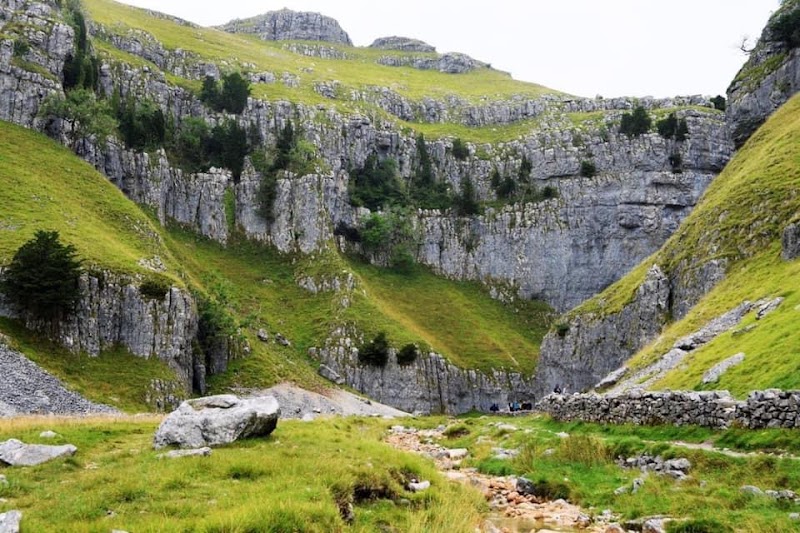
The Durham Coast Special Area of Conservation (SAC) stretches approximately 17 kilometers along the northeast coast of England, from the mouth of the River Tees to Seaham in County Durham. This site includes significant geological features such as Magnesian Limestone cliffs and coastal habitats including sand dunes, saltmarshes, and intertidal zones. These habitats support a variety of notable species, including the rare Durham Argus butterfly, sea lavender, and important seabird colonies such as the guillemot, razorbill, and kittiwake. The area is vital for the conservation of saline lagoon habitats and supports populations of the great crested newt and several bat species. Historically, the Durham Coast region was shaped by glacial and sea-level changes, which contributed to the formation of distinctive coastal landforms and fossil-rich cliffs that attract interest from geologists and naturalists alike. Visitors to the Durham Coast SAC can enjoy scenic coastal walks, birdwatching, and exploring local villages that reflect the area's mining heritage. The region’s ecological complexity combined with its coastal scenic appeal makes it an excellent destination for outdoor recreation and wildlife observation. Access points along the coastline provide opportunities to experience peaceful seaside landscapes, while the protected status helps maintain the natural environment essential to the area's sensitive species and habitats.