Wilderness Landscape & Natural Heritage
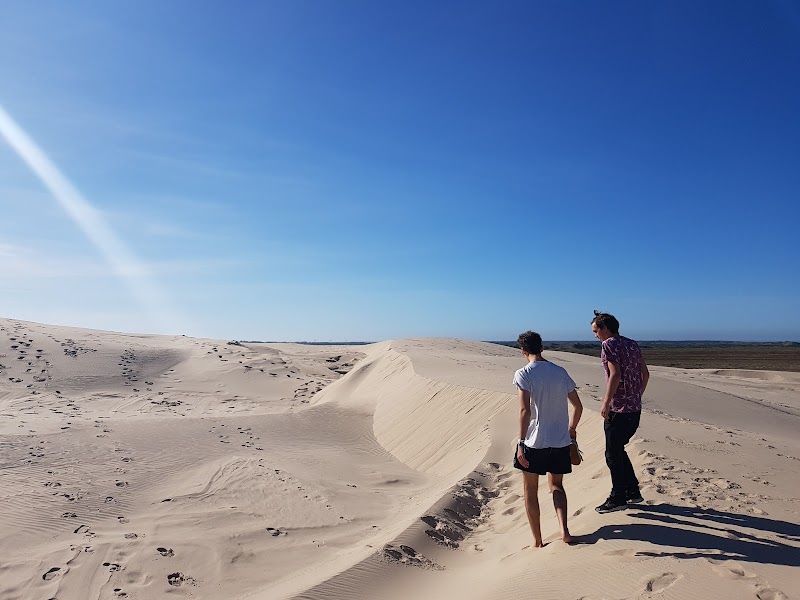
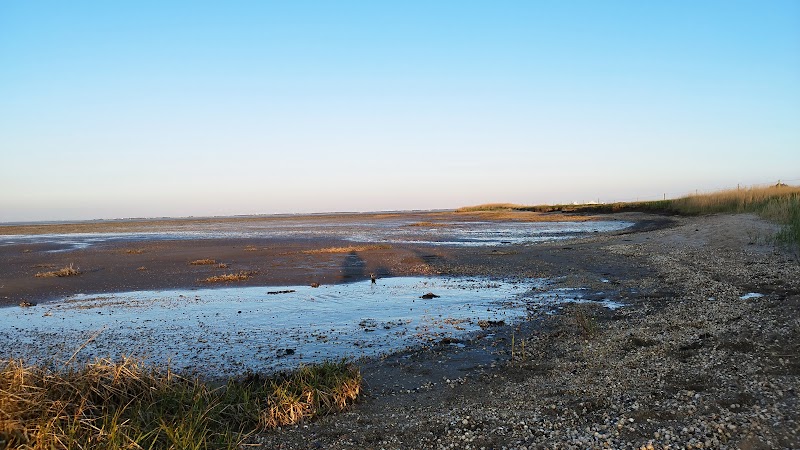
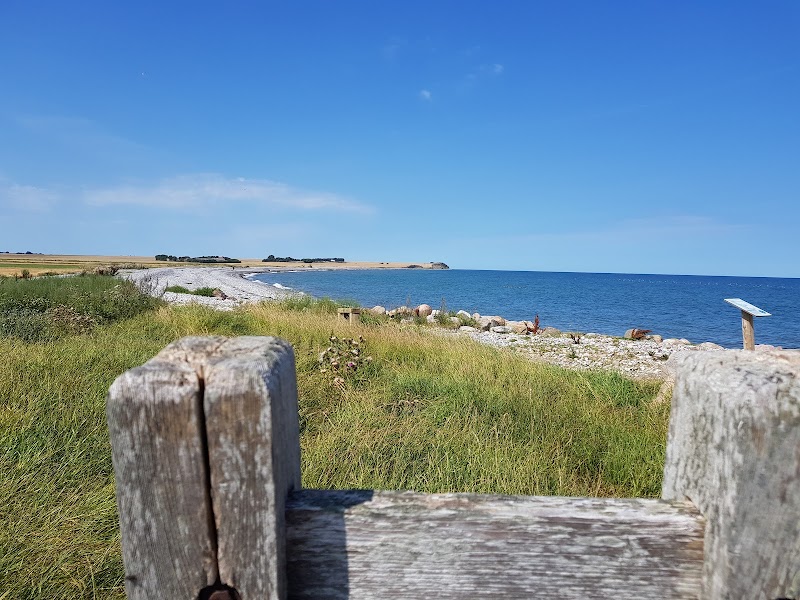
Grenaa Strand and its coastal dune system form a prominent natural landscape along the Kattegat Sea in eastern Jutland, Denmark. The area consists of an extensive sandy beach stretching approximately 6 kilometers, backed by rolling coastal dunes that support a range of native flora and fauna. This system represents one of Denmark's fine examples of dune ecosystems shaped by natural wind and wave processes. The dune vegetation includes marram grass and other hardy plants adapted to shifting sands and salty air, contributing to the stabilization of the dunes. The shallow waters and beach provide important breeding grounds and habitat for seabirds such as oystercatchers and terns, making it a favored destination for birdwatchers. Recreational opportunities abound at Grenaa Strand, with visitors enjoying hiking and biking through coastal trails, swimming in the Kattegat, and engaging in beach activities during warmer months. The nearby town of Grenaa offers amenities and easy access points to the beach. Historically, the area has been affected by coastal management efforts aimed at preserving the shoreline and dune integrity from erosion. Local conservation initiatives help maintain the balance between visitor use and protecting the sensitive dune ecology. The wide sandy beach and relatively sheltered waters also attract families and anglers. Seasonal migration of birds makes the area particularly interesting for nature observers in spring and autumn. The coastal dune system represents a dynamic natural area with ongoing processes of natural sand movement and vegetation shifts, providing educational and outdoor experiences for visitors interested in coastal nature and landscapes.