Wilderness Landscape & Natural Heritage
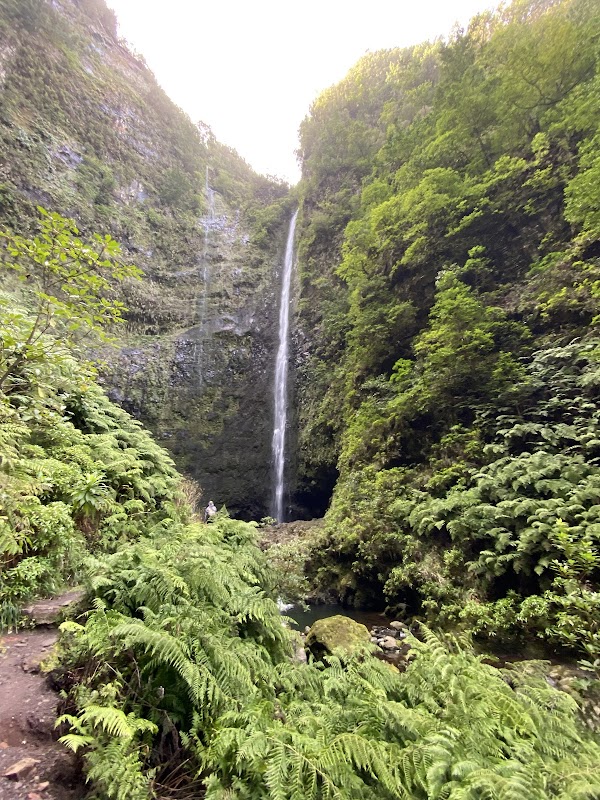
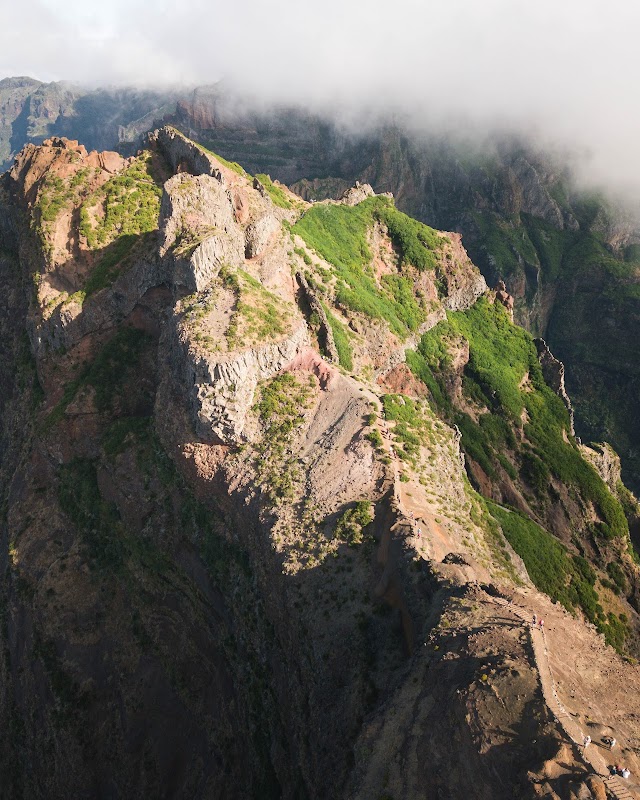
Laurisilva Forest Natural Park, located on the island of Madeira, Portugal, is a remarkably well-preserved example of the laurel forest ecosystems that once covered much of Southern Europe millions of years ago. Spanning approximately 15,000 hectares, this park is recognized for its dense, evergreen laurel forests, featuring endemic tree species such as Laurus novocanariensis, Ocotea foetens, and Persea indica. The forest thrives in Madeira's mild, humid climate, characterized by frequent mists and consistent rainfall, creating optimal conditions for an incredibly rich undergrowth of mosses, ferns, and lichens. Laurisilva plays a critical role in Madeira's water cycle, forming the headwaters of many streams and waterfalls that cascade down the island's steep terrains. These ancient forests provide habitat for a variety of endemic and endangered species, including the Madeira firecrest (Regulus madeirensis), which is unique to the island. Recreationally, visitors are drawn to the network of levada trails—historic irrigation channels adapted for hiking—which wind through the forest and offer immersive experiences in nature, ranging from easy strolls to more challenging treks through steep, rugged zones. Iconic landmarks include the highland viewpoints such as Pico Ruivo and Queimadas, with spectacular vistas over valleys and ocean expanses. The park’s cultural value is equally significant, reflecting the island’s natural heritage and traditional use of water management. Visitors appreciate the peaceful atmosphere, opportunities for wildlife viewing, and the mystical ambiance created by the forest’s ancient canopy. The Laurisilva Forest not only appeals to nature lovers and hikers but also to researchers and conservationists committed to preserving this unique ecosystem amid changing climate conditions.