Wilderness Landscape & Natural Heritage
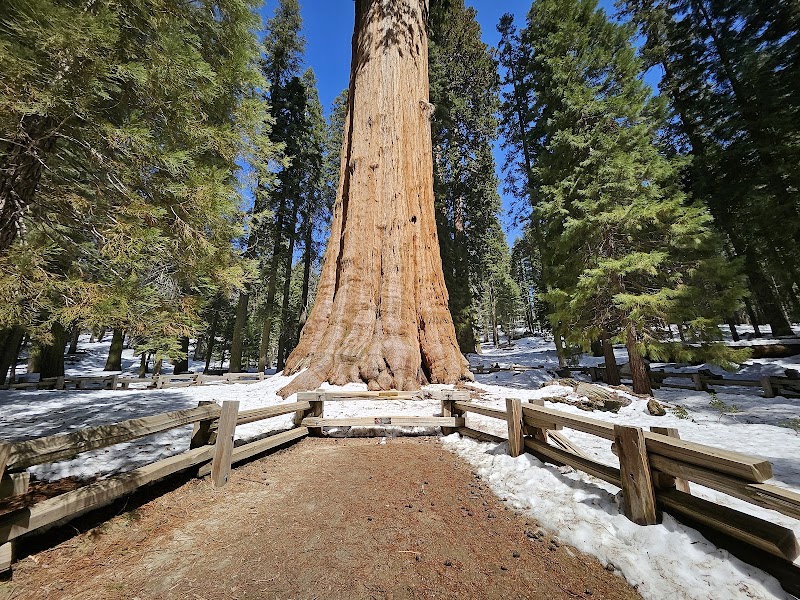
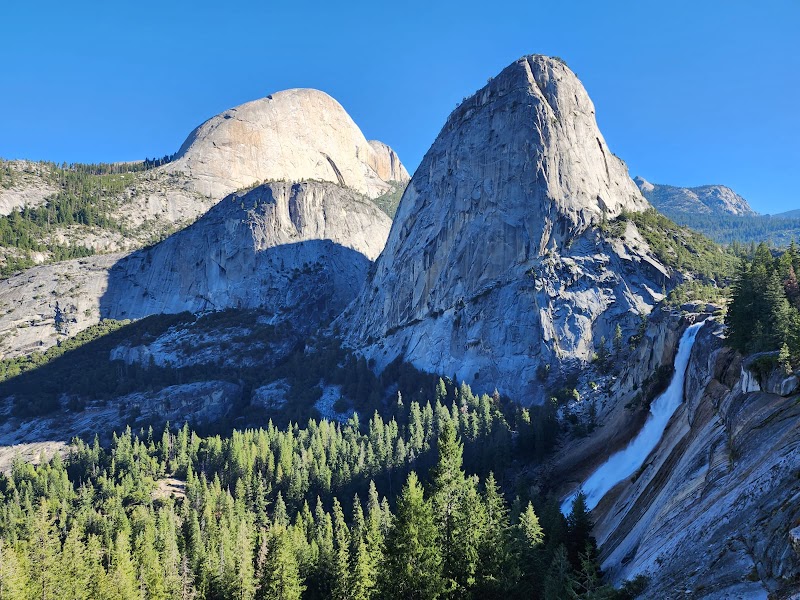
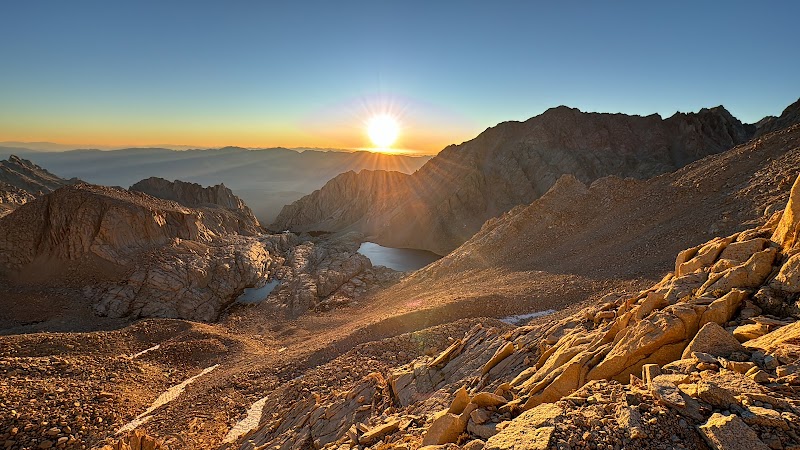
Sequoia National Park, located in the southern Sierra Nevada of California, protects over 400,000 acres of mountainous terrain rich in natural wonders. The park is best known for its ancient giant sequoia trees, especially the General Sherman Tree, the largest living single-stem tree on Earth by volume. The park’s landscape ranges from low foothills to alpine peaks, including Mount Whitney, the tallest mountain in the contiguous United States at 14,505 feet. The diverse ecosystems within the park support abundant wildlife such as black bears, mule deer, and the elusive Sierra Nevada bighorn sheep. Visitors explore dense old-growth forests, expansive meadows, and deep canyons carved by rivers like the Kaweah. Key recreational opportunities include hiking numerous trails from easy walks among the sequoias to challenging backcountry routes leading to high mountain vistas, rock climbing, and cave tours such as those in Crystal Cave, a marble cavern featuring striking formations. The park’s rivers and lakes provide fishing and scenic spots for relaxation. Sequoia National Park appeals to nature lovers, photographers, and adventurers, offering visitor centers with interpretive exhibits and ranger-led programs. Winter brings snow, creating opportunities for snowshoeing and cross-country skiing. With its iconic natural landmarks and varied terrain, the park remains a prime destination to experience the grandeur of California’s wilderness.