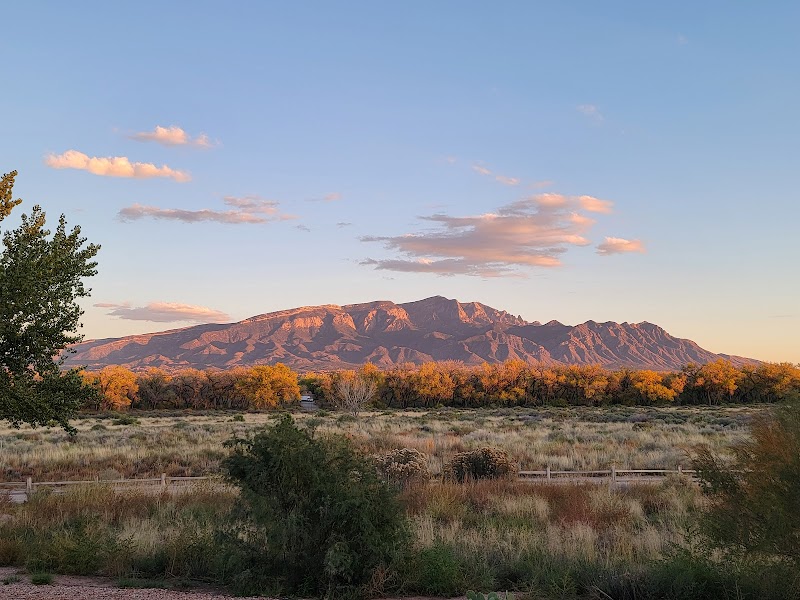
Wilderness Landscape & Natural Heritage
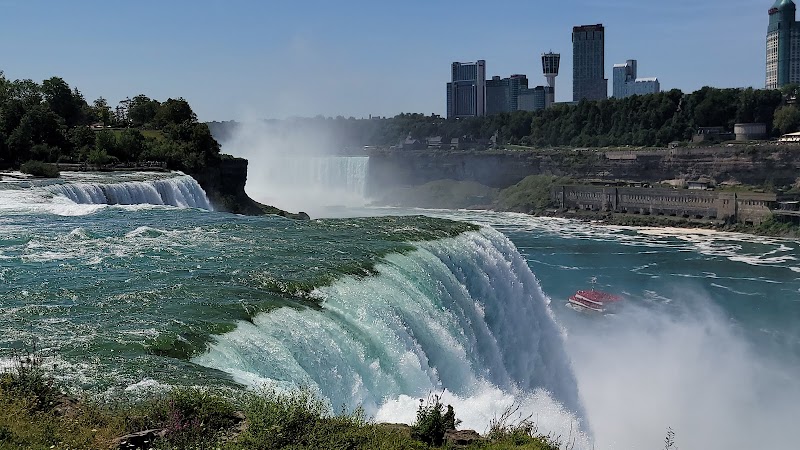
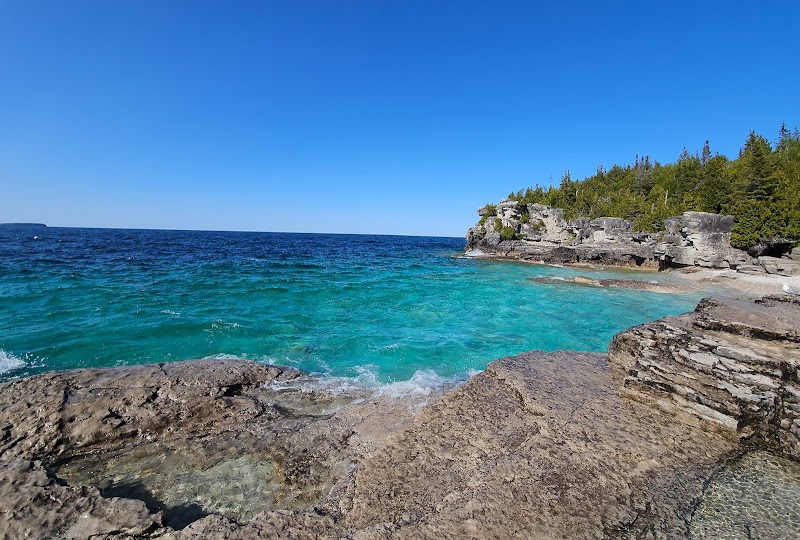
Spanning over 725 kilometers from Niagara Falls to the tip of the Bruce Peninsula, the Niagara Escarpment Biosphere Reserve is a distinct geological formation characterized by a long limestone ridge with steep cliffs and diverse ecosystems. This biosphere reserve covers a broad landscape that includes forests, wetlands, karst landscapes, and unique alvar habitats. It supports a wide range of plant and animal species, some of which are rare or endangered. The escarpment creates dramatic scenery, notably at iconic landmarks such as Niagara Falls, the Bruce Peninsula National Park, and the famous Bruce Trail, which follows much of the escarpment's length, offering hikers scenic views of cliffs, forests, and the Great Lakes. Historically, the escarpment was significant for Indigenous peoples and early European settlers, influencing settlement patterns and resource use. Today, it serves as a critical conservation area balancing protection with sustainable human activity. Recreational opportunities abound, including hiking, bird watching, rock climbing, fishing, and snow sports during winter. Scenic drives, especially along the Niagara Parkway, offer spectacular views of the escarpment and the adjacent agricultural lands and vineyards. The biosphere reserve is valued for its natural beauty, ecological importance, and cultural heritage, drawing nature enthusiasts, outdoor adventurers, and tourists year-round. Conservation efforts focus on protecting water quality, habitat connectivity, and controlling development to preserve the unique landscapes and biodiversity of this globally recognized region.