Wilderness Landscape & Natural Heritage
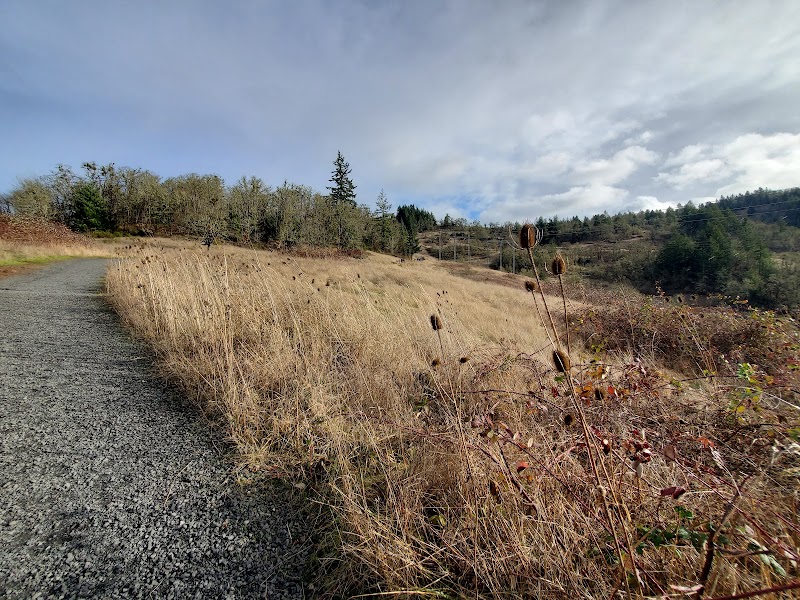
The Willamette River Greenway follows the course of the Willamette River through the Willamette Valley, Oregon’s fertile heartland. This greenway consists of state parks, natural areas, and public lands that conserve riparian habitat and offer extensive recreational opportunities. The river itself stretches about 187 miles, flowing northward from the Cascade Range to its confluence with the Columbia River in Portland. The Greenway’s geography varies from forested banks and wetlands near its upper reaches to large urban waterfront parks through cities like Salem and Albany. It supports a diverse ecology including populations of salmon, steelhead, beavers, and various bird species such as bald eagles and great blue herons. Historically, the Willamette River corridor was vital to Native American tribes including the Kalapuya, who harvested its abundant fish and plants for thousands of years prior to European settlement. Today, the Greenway offers visitors abundant opportunities for outdoor activities like hiking and biking along connected trails, paddling in calm river sections, fishing for seasonal runs of steelhead and trout, and birdwatching in quiet marshes. Notable landmarks include Wallace Marine Park in Salem, Champoeg State Heritage Area with its Pioneer history, and the riverfront areas in Eugene and Portland that serve as urban hubs of recreation and culture. The Greenway is a critical natural resource balancing habitat protection with public access, welcoming diverse visitors seeking nature, history, and active river recreation.