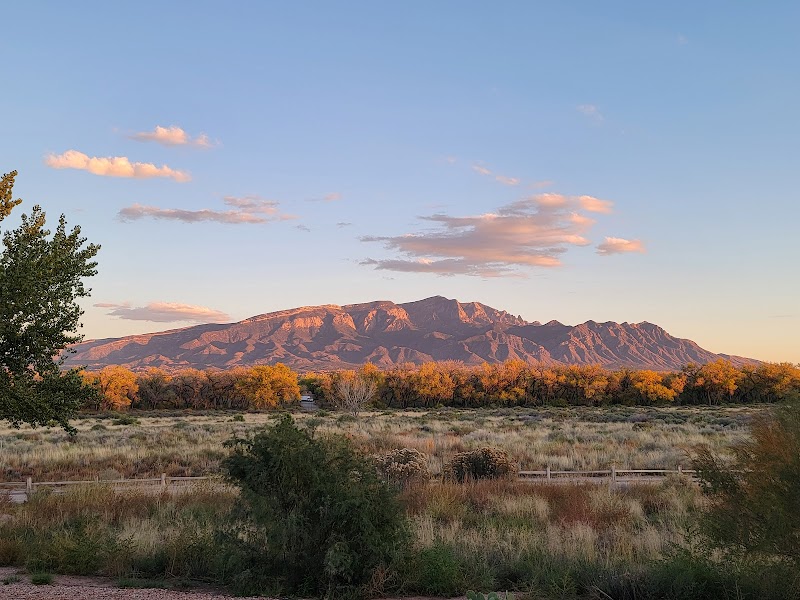
National Petroleum Reserve–Alaska wilderness guide
National Petroleum Reserve · AK
Wildlife Viewing Guide

National Petroleum Reserve–Alaska

The National Petroleum Reserve–Alaska (NPR-A) is a vast, governorally managed area in northern Alaska offering expansive Arctic wilderness, significant wildlife habitats, and opportunities for remote outdoor exploration.

National Petroleum Reserve23,585,000

Designation

National Petroleum Reserve

Total Wilderness Area

23,585,000

Elevation / Terrain

Diverse Wilderness

Field Editorial Guide

About National Petroleum Reserve–Alaska

The National Petroleum Reserve–Alaska (NPR-A) is a vast, governorally managed area in northern Alaska offering expansive Arctic wilderness, significant wildlife habitats, and opportunities for remote outdoor exploration.

Wilderness Landscape & Natural Heritage

Spanning approximately 23.6 million acres, the National Petroleum Reserve–Alaska is the largest tract of federally owned land in the United States. Located on the North Slope of Alaska, west of the Arctic National Wildlife Refuge, NPR-A features diverse Arctic landscapes including tundra, wetlands, rolling hills, and numerous lakes and rivers that support an abundance of wildlife. This remote area was originally designated in 1923 by the U.S. government specifically for oil and gas exploration and development, yet it also serves critical roles for subsistence activities of Northern Alaska Native communities and for conservation purposes. Though industrial activities have taken place, large portions remain largely untouched, preserving habitat for species such as caribou, polar bears, muskoxen, Arctic foxes, and migratory birds. Due to its isolation and challenging climate, access is often limited to air travel or ice roads during winter months. Visitors seeking a true wilderness experience can explore the reserve via guided expeditions or fly-in adventures, with chances to observe Arctic wildlife, photograph expansive landscapes, and learn about the cultural significance of the area to indigenous peoples. Notable natural features include the Colville River Valley and the Utukok River Uplands, home to diverse flora and fauna. The area presents few formal trails and developed visitor amenities, offering adventure travelers a rugged and pristine environment. Safety precautions and thorough logistical planning are essential due to extreme conditions, remoteness, and lack of infrastructure.
Field Guide · National Petroleum Reserve

Notable Landscape Features

Iconic geological landmarks, alpine vantage points, and distinctive ecosystems in National Petroleum Reserve–Alaska.

Feature 1

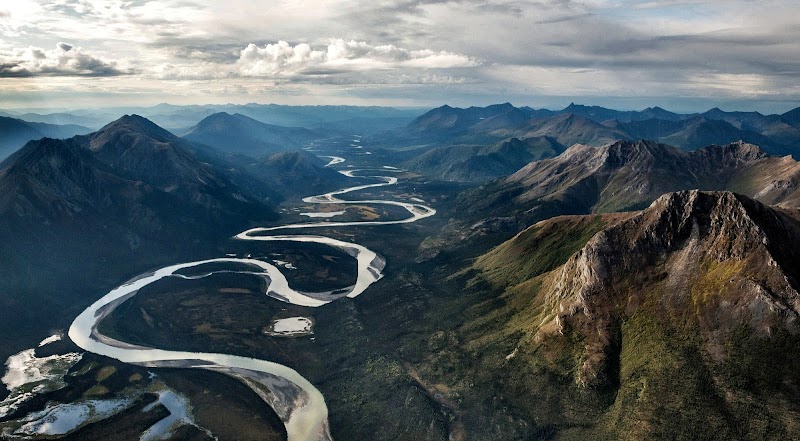
Colville River

A major Arctic river cutting through NPR-A, offering critical habitat and remote boating opportunities.

Feature 2

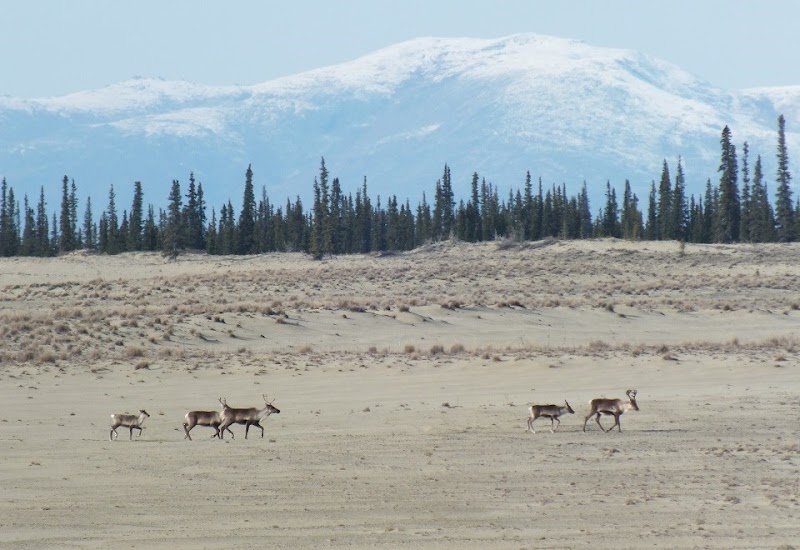
Western Arctic Caribou Herd Calving Area

One of the largest caribou herds uses the reserve's tundra as a calving and summer range.

Feature 3

Utukok River Uplands

A rugged upland region with rolling hills and wetlands home to muskoxen, Arctic foxes, and migratory birds.

Key Wilderness Highlights

Colville River Valley – One of North America's most remote and ecologically rich river corridorsCaribou Calving Grounds – Vital habitat for the Western Arctic Caribou herdUtukok River Uplands – Scenic Arctic uplands supporting diverse wildlifeHistoric Exploration Sites – Remnants from early oil exploration efforts
Wilderness Recreation

Outdoor Adventures in National Petroleum Reserve–Alaska

Explore curated guides for top outdoor sports, trail networks, and wilderness activities.

Activity Spotlight

Wildlife Viewing in National Petroleum Reserve–Alaska

View Full Park Guide

National Petroleum Reserve–Alaska offers exceptional terrain and routes for wildlife viewing, featuring established access paths, scenic vistas, and protected wilderness territory.

The Ranger Station

Visitor Logistics & Essential Planning

Everything you need to know about entrance passes, seasons, visitor centers, road transit, and wildlife safety in National Petroleum Reserve–Alaska.

Passes & Fees

Entrance Requirements & Interagency Passes

Access typically requires permits from the Bureau of Land Management; no entrance fees but adhere to all regulations protecting sensitive habitats and subsistence areas.

Wilderness Checklist

Carry paper topographic map & compass in remote zones.
Store all food and scented items in approved bear canisters.
Check wildfire / smoke advisories before backcountry departure.
Pack out everything you pack in (Leave No Trace).
Wilderness Stays

Camping & Overnight Stays in National Petroleum Reserve–Alaska

Frontcountry developed campgrounds, backcountry wilderness permit guidelines, and starry-night camping advice.

Wilderness & Developed Camping Regulations

Camping is one of the most rewarding ways to experience National Petroleum Reserve–Alaska. Most frontcountry campgrounds require advance reservations on Recreation.gov during peak season, while backcountry camping requires a wilderness permit and certified bear-resistant food canisters.

Find Campgrounds on Recreation.gov
Adventure Basecamps

Gateway Towns Near National Petroleum Reserve–Alaska

Stay, dine, and gear up in these mountain towns and scenic desert basecamps surrounding the park.

Barrow (Utqiaġvik), Alaska, AK
Gateway Basecamp

Barrow (Utqiaġvik), Alaska, AK

Barrow (Utqiaġvik) is Alaska’s northernmost town on the Arctic Ocean, offering true remote Arctic outdoor adventures. Explore tundra hiking, cross-country skiing, and incredible wildlife, with unique cultural experiences and unforgettable northern lights viewing.

Winter and SummerExplore Town
Kotzebue, Alaska, AK
Gateway Basecamp

Kotzebue, Alaska, AK

Kotzebue offers true adventure in Alaska’s Arctic, where the tundra meets the sea. Enjoy hiking, wildlife viewing, and fishing in this remote destination with stunning northern lights scenery.

Wainwright, Alaska, AK
Gateway Basecamp

Wainwright, Alaska, AK

Wainwright, Alaska, is a remote Arctic town on the Beaufort Sea offering adventurous travelers rugged tundra hiking, kayaking under the midnight sun, dog sledding, and close-up wildlife viewing in one of the northernmost spots in the U.S.

Mid-June to Early SeptemberExplore Town