Wilderness Landscape & Natural Heritage
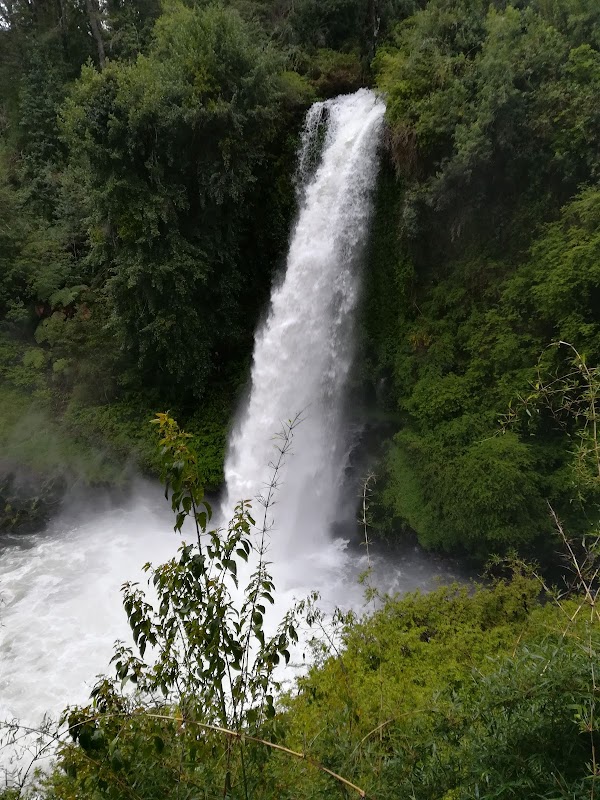
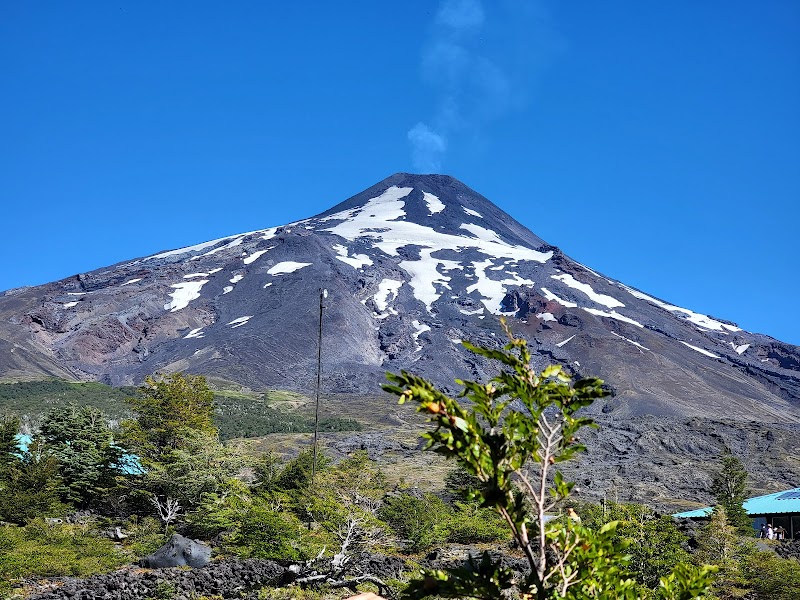
Malalcahuello National Reserve is a protected area located in the Andes Mountains of the Araucanía Region in southern Chile. Established in 1995, it spans volcanic landscapes highlighted by the prominent Lonquimay Volcano and the smaller Tolhuaca Volcano. The reserve is characterized by native southern beech forests (Nothofagus species), Araucaria trees, and rich endemic flora, creating a vibrant ecological tapestry. It serves as critical habitat for diverse wildlife including pudú deer, Andean foxes, pumas, and numerous bird species such as the Magellanic woodpecker. The reserve attracts nature enthusiasts and outdoor adventurers with its extensive network of trails, scenic viewpoints, and opportunities for climbing and horseback riding. Key points of interest include volcanic craters, fumarole zones, and crystal-clear highland lakes that provide unique photo opportunities and a glimpse into the region's volcanic activity. The reserve’s mix of forested valleys and alpine tundra ecosystems supports rare medicinal plants and vibrant spring wildflowers, enhancing its ecological value. Accessibility to Malalcahuello is usually via the nearby town of Lonquimay, which acts as the gateway. Seasonal variations bring snowy winters favorable for snow sports and lush green summers ideal for trekking. Malalcahuello’s remote and lesser-known status offers visitors a tranquil connection to nature away from more crowded tourist sites, while supporting conservation efforts for native species and forest restoration.