Wilderness Landscape & Natural Heritage
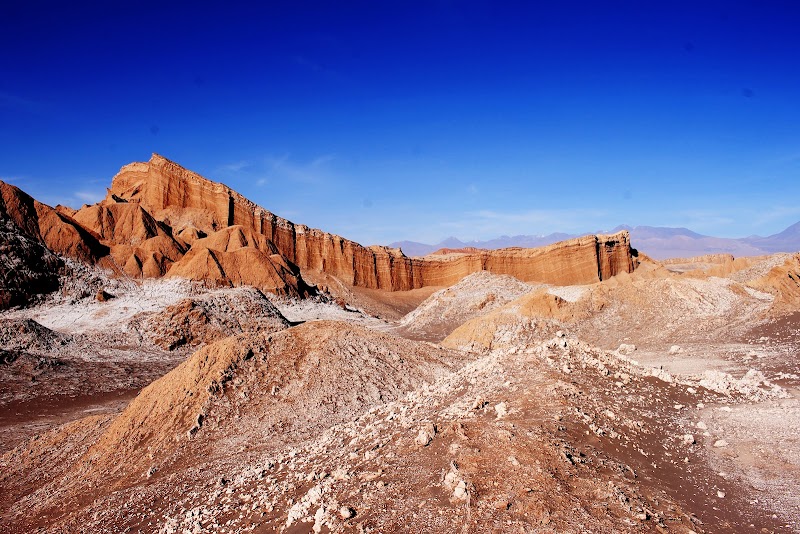
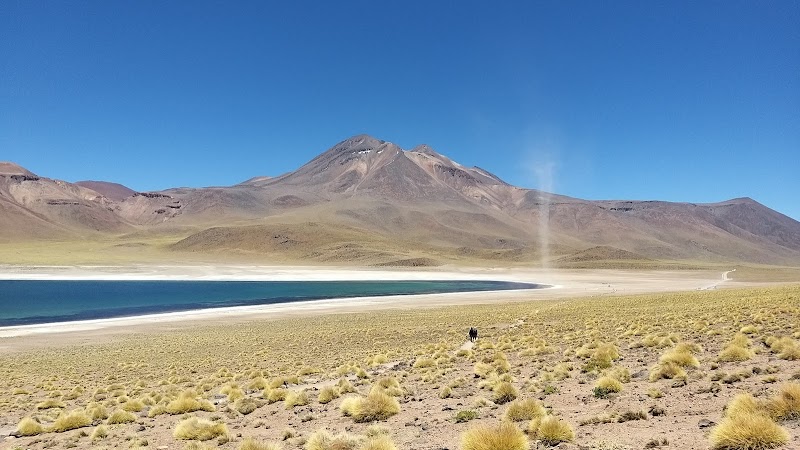
Reserva Nacional Los Flamencos, located in the arid Atacama Desert of northern Chile, safeguards a vast area of salt flats, wetlands, and desert landscapes that are critical habitats for several species of flamingos and other high-altitude wildlife. The reserve spans more than 100,000 acres at elevations typically above 3,000 meters, with some salt flats sitting above 4,000 meters. The region's geography is defined by extensive salt pans such as the Salar de Atacama, unique lagoons like Laguna Chaxa, and volcanic formations that rise dramatically from the desert floor. The reserve provides refuge to three species of flamingos—Andean, Chilean, and James’s flamingo—as well as other important bird species such as Andean geese, puna ibis, and various waterfowl, making it a vital area for birdwatching and ecological study.
Historically, this part of the Atacama Desert has been sparsely inhabited, but the Los Flamencos National Reserve was established in 1990 to protect these fragile ecosystems and the wildlife dependent on them. Visitors come primarily for wildlife viewing, photography, and to explore the harsh yet stunning desert scenery. Several marked trails and observation hides allow visitors to approach the lagoons and salt flats while minimizing disturbance to the wildlife. The reserve is also significant for its cultural value, with nearby indigenous communities that have historically interacted with this landscape. Its proximity to the town of San Pedro de Atacama makes it a popular day-trip destination for travelers seeking to experience the natural wonders and biodiversity of the Chilean altiplano.