Wilderness Landscape & Natural Heritage
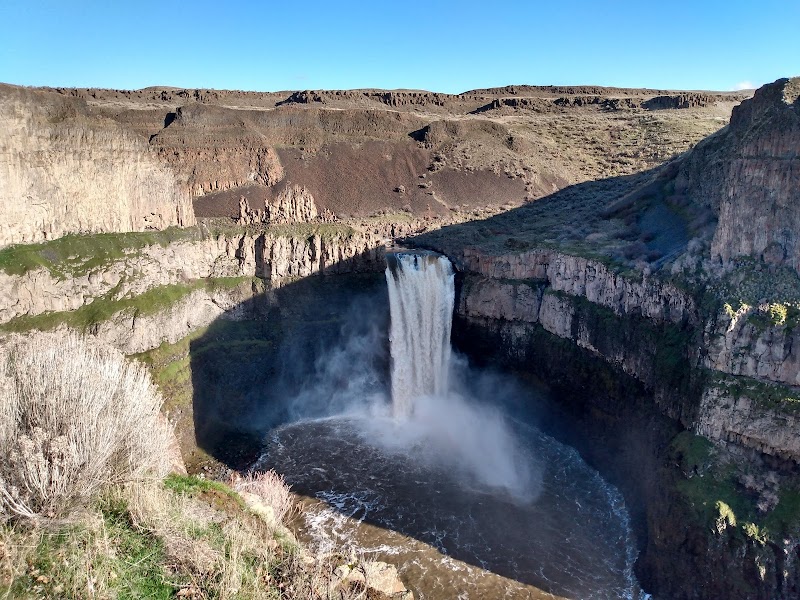
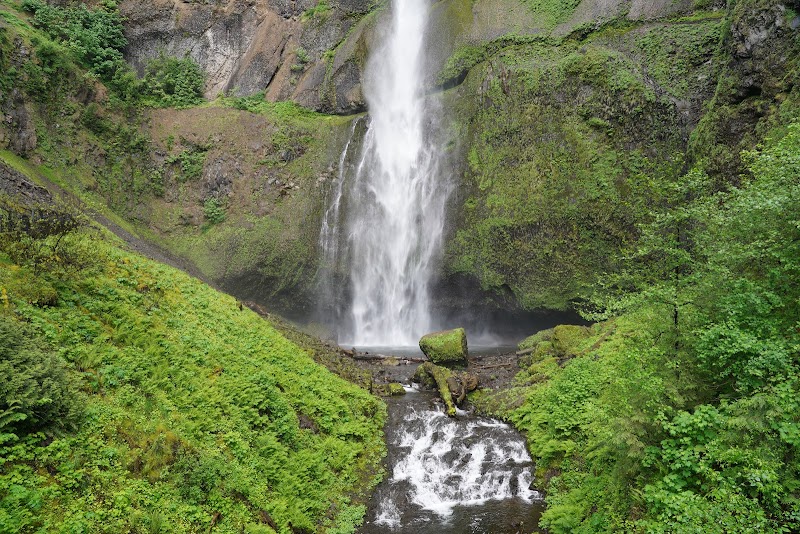
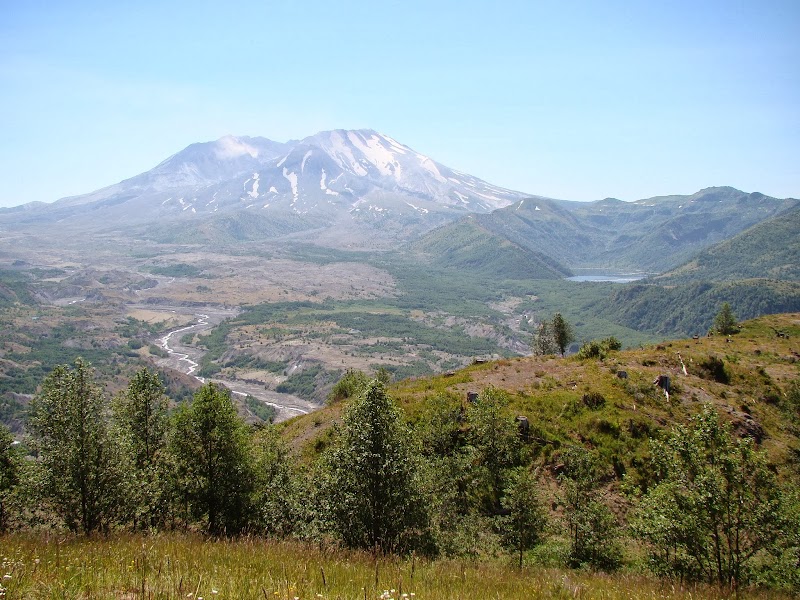
West Lewis National Scenic Area, located in southwestern Washington within the Gifford Pinchot National Forest, was created to protect the landscape along the western side of Mount St. Helens after the 1980 eruption. The area spans steep volcanic terrain characterized by lava flows, volcanic ash deposits, and ancient forest stands recovering from the eruption’s impact. The region ranges from moist lowland forests to subalpine meadows and ridges, fostering a diverse ecological setting with species such as Douglas fir, western hemlock, Pacific silver fir, and wildlife including black bears, elk, and spotted owls. Key recreation opportunities include hiking, backpacking, horseback riding, and waterfall viewing along trails that provide access to old-growth groves, volcanic formations, and river valleys. Notable landmarks include the Ape Canyon trailhead area and the Hamilton Canyon, which features impressive scenery and solitude. Its relatively remote location means visitors often experience solitude in scenic wilderness, with seasonal wildflower displays and plentiful wildlife sightings. The area appeals to outdoor enthusiasts seeking moderately challenging trails with volcanic geology and vibrant forest ecosystems. Established as part of post-eruption recovery measures, the scenic area ensures long-term conservation of the landscape’s natural and cultural resources. Visitors benefit from multiple trailheads and primitive camping sites while enjoying vistas of Mount St. Helens, Spirit Lake, and surrounding Cascade peaks.