Wilderness Landscape & Natural Heritage
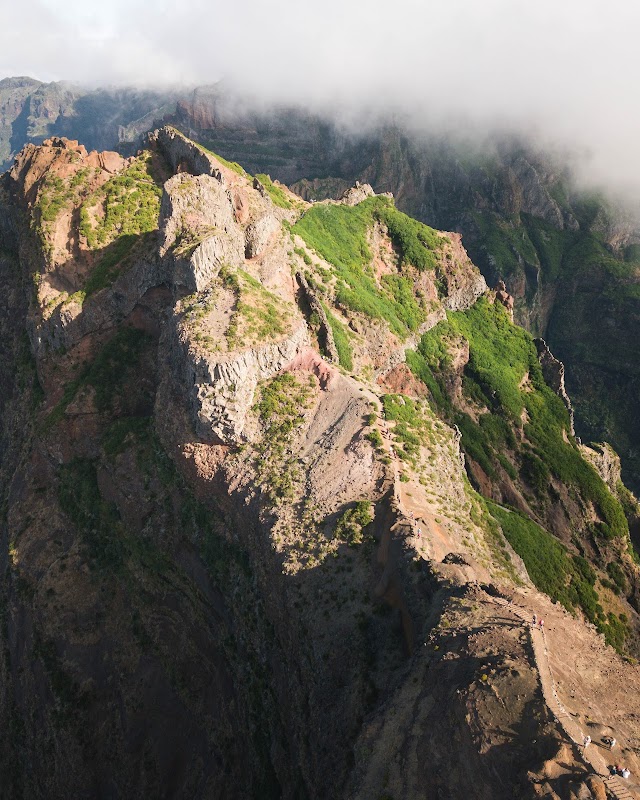
Located on the Portuguese island of Madeira, the Laurisilva Natural Park encompasses one of the largest and best-preserved laurel forests globally, covering much of the island’s central mountainous regions. This lush, subtropical forest dates back over 20 million years and represents a relic of the humid subtropical forests that once covered much of Southern Europe. The park's rugged terrain is characterized by steep valleys, deep ravines, and volcanic peaks, with altitudes ranging roughly from 300 to 1,800 meters. Ecologically, Laurisilva shelters a rich array of endemic flora and fauna, including rare plants such as the Madeira mahogany and a variety of endemic birds like the Madeiran chaffinch and trocaz pigeon. The park’s dense canopy and diverse understory foster a unique microclimate with high humidity and frequent mist, fundamental for the survival of its ancient ecosystem.
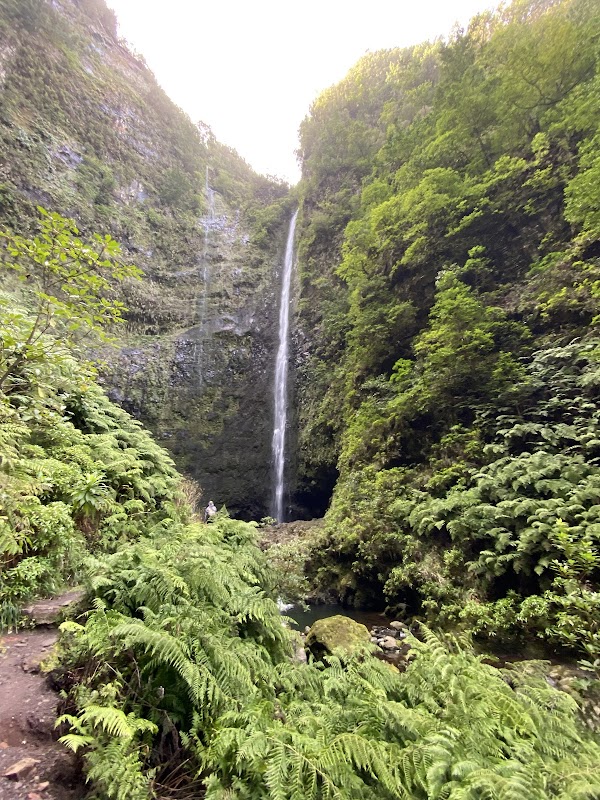
Historically, the Laurisilva forest was protected starting in the 1980s, culminating in its UNESCO World Heritage designation in 1999, which recognizes its global ecological significance. Outdoor enthusiasts will find numerous well-marked levada walks—ancient irrigation channels unique to Madeira—offering access to remote parts of the park. Notable hiking trails such as Levada do Caldeirão Verde and Levada do Rei provide immersive nature experiences surrounded by waterfalls, endemic plants, and striking volcanic landscapes. The park also appeals to birdwatchers, photographers, and botany lovers, making it a multi-faceted destination. Visitor centers provide educational exhibits and guidance, ensuring a deeper appreciation of this irreplaceable ecosystem. Whether seeking vigorous hikes or peaceful nature immersion, Laurisilva of Madeira Natural Park stands as a beacon of natural heritage and outdoor adventure.